Understanding the Purpose of Session Zero
Defining Session Zero in Tabletop RPGs
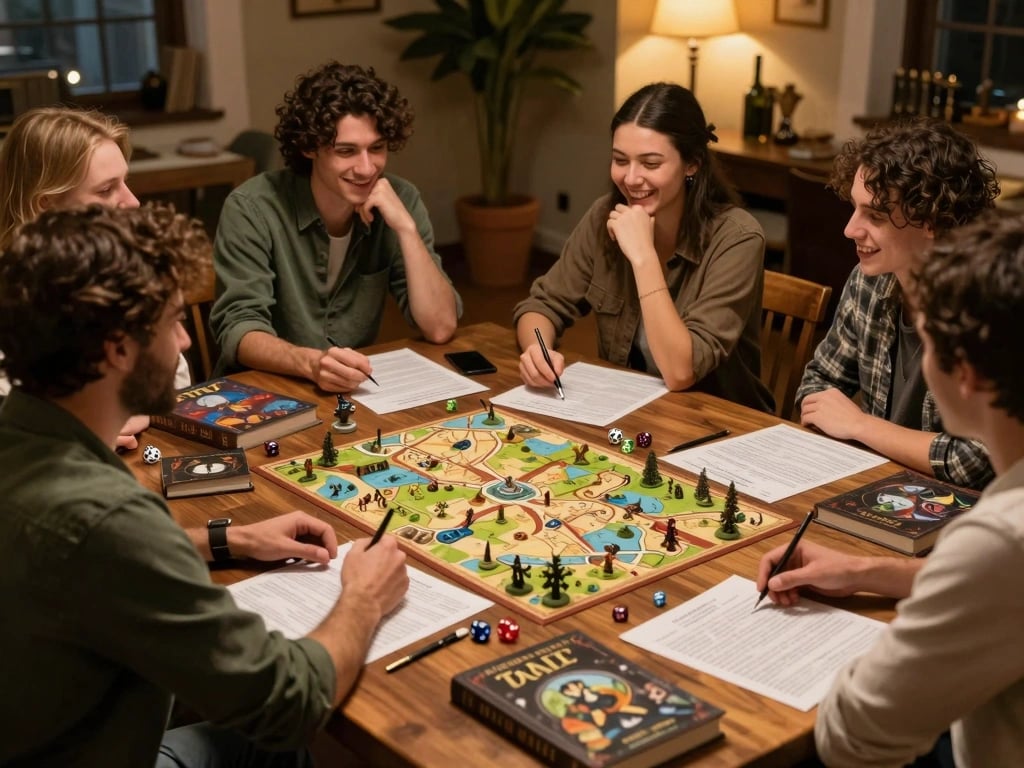
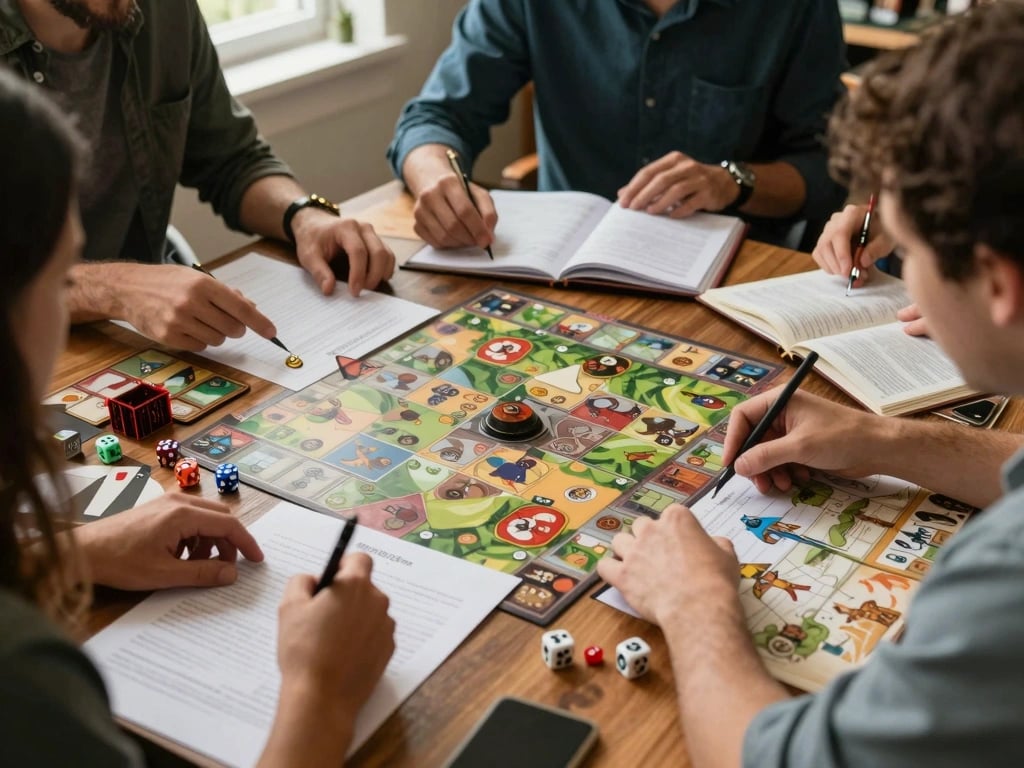
Session Zero is a critical precursor to any tabletop role-playing game (RPG) campaign. It serves as the foundation upon which the entire gaming experience is built. In essence, Session Zero is a dedicated meeting where players and the Game Master (GM) come together to establish the framework for the upcoming campaign. This includes discussions about the game’s setting, character creation, and group dynamics. Unlike regular sessions where gameplay occurs, Session Zero focuses on planning, communication, and collaboration.
Establishing Group Expectations and Goals
One of the primary objectives of Session Zero is to align expectations among all participants. It is vital for the GM and players to articulate their goals for the campaign clearly. Do players want a light-hearted adventure, or do they prefer a darker, more serious tone? Here are some best practices to establish group expectations:
- Discuss Game Tone: Use open dialogue to determine whether the group prefers comedy, horror, drama, or a mix. For example, a group that enjoys “Critical Role” may lean towards a narrative-rich experience, while another may prefer a more tactical combat-focused game.
- Identify Player Goals: Each player should express what they hope to achieve during the campaign. Whether it’s character development, solving puzzles, or engaging in political intrigue, understanding these goals can shape the narrative.
- Set Boundaries: Discuss sensitive topics that may arise during gameplay, such as violence or romance, and agree on what is acceptable. Tools like the “X-card” or “Lines and Veils” can be beneficial for ensuring comfort among players.
Creating a Safe and Inclusive Environment
A successful Session Zero must prioritize creating a safe and inclusive environment. This involves establishing a space where all players feel comfortable expressing themselves and their ideas. Here are strategies to foster inclusivity:
- Encourage Open Communication: Make it clear that everyone’s voice matters. Use techniques like round-table discussions to ensure quieter players have a chance to contribute.
- Implement Safety Tools: Utilize tools that help players communicate their comfort levels. For instance, the “X-card” allows players to signal discomfort without breaking immersion, while “Lines and Veils” helps define what topics are off-limits or can be lightly touched upon.
- Emphasize Respect: Establish guidelines that promote respect and consideration for all players. Discuss the importance of not interrupting others and valuing diverse perspectives.
Character Creation Guidelines
Collaborative Character Development
Character creation is a pivotal aspect of Session Zero, as it sets the stage for player engagement. Collaborative character development not only enhances individual character depth but also fosters group cohesion. Here are some best practices for collaborative character development:
- Character Backstories: Encourage players to create backstories that interconnect with each other. For example, two players might devise a shared history where one character saved the other from danger, creating immediate ties within the party.
- Group Character Concepts: Before individual character creation, hold a brainstorming session where players can propose overarching themes. If the campaign is set in a post-apocalyptic world, players might decide to create characters who are survivors of the same catastrophe.
- Use Character Creation Tools: Leverage tools like “D&D Beyond” or “Roll20” to streamline the character creation process. These platforms often provide templates and guidance that can help players flesh out their characters collaboratively.
Establishing Party Dynamics and Roles
Understanding party dynamics is crucial in ensuring a balanced and enjoyable gameplay experience. During Session Zero, players should discuss and establish the roles their characters will play within the party. Here are some steps to achieve this:
- Role Identification: Encourage players to identify their character's primary role—Tank, Healer, DPS (damage per second), or Support. For example, if one player chooses a Fighter as the Tank, others can fill in with Healer and DPS roles to ensure a balanced party.
- Discuss Character Motivations: Align characters’ motivations with party goals. If the party is on a quest to defeat a dragon, characters with personal stakes in the outcome can create compelling interactions.
- Balance Conflicts: Establish how characters will work together during conflicts. For example, if two characters have opposing motivations, discuss how this tension could be beneficial for character development and storytelling.
Balancing Character Abilities and Themes
Another essential element of character creation is ensuring that characters are balanced in terms of abilities and thematic elements. A coherent party will enhance gameplay and storytelling. Here are some practices for balancing character abilities and themes:
- Ability Scores: Ensure that characters have complementary abilities. If one character focuses on charisma, another might focus on intelligence, enabling diverse interactions with NPCs (non-player characters) and the environment.
- Shared Themes: Encourage players to align character themes. If the campaign is based on a specific mythos, such as Norse mythology, players can create characters that resonate with that theme, enriching the narrative.
- Character Classes: Balance character classes to avoid a situation where one class overshadows others. For example, if multiple players choose spellcasters, it may dilute the effectiveness of the party. Encourage diversity in class selection.
World-Building and Setting Discussions
Incorporating Player Input into the Setting
World-building is a collaborative effort, and Session Zero is an ideal time to incorporate player input into the game’s setting. Engaging players in the world-building process not only enhances their investment but also creates a richer narrative. Here are effective strategies:
- Solicit Ideas: Ask players to contribute ideas for locations, factions, and cultures within the world. For instance, if a player suggests a mysterious forest inhabited by ancient spirits, the GM can weave this into the campaign’s narrative.
- World Map Collaboration: Use a blank map during Session Zero to allow players to mark locations that intrigue them. This collaborative effort can lead to unexpected plot developments and adventures based on their interests.
- Factions and Relationships: Encourage players to create factions that their characters are connected to. For example, one player might be a member of a thieves’ guild, while another could have a familial connection to a noble house, creating dynamic relationships within the world.
Defining Tone and Themes of the Campaign
Establishing a clear tone and thematic elements during Session Zero is vital for setting expectations and guiding gameplay. Here are some best practices for defining tone and themes:
- Discuss Campaign Mood: Clearly communicate the mood of the campaign—be it dark and gritty, whimsical, or epic. For example, if the tone is meant to be light-hearted, ensure that players feel comfortable including humor in their character interactions.
- Identify Central Themes: Identify overarching themes that will guide the story. Themes like redemption, sacrifice, or the struggle between good and evil can shape character development and plot progression.
- Use Inspiration Sources: Provide players with media inspirations that reflect the campaign's tone. For instance, if the campaign has a horror theme, recommend films or books that embody that atmosphere to set the mood.
Establishing Important Lore and History
Understanding the lore and history of the game world enhances players' immersion and allows for deeper character development. During Session Zero, GMs should establish key historical events and lore elements that shape the campaign. Here are effective strategies:
- Share Foundational Lore: Present essential background information about the world, including major historical events, influential figures, and cultural traditions. For example, if the world has undergone a cataclysm, explain its impact on the current state of the world.
- Encourage Player Contributions: Allow players to add their characters' backstories to the world’s lore. For instance, if a player’s character is the last descendant of a fallen kingdom, this can introduce personal stakes in the campaign's narrative.
- Utilize Story Hooks: Create story hooks based on the established lore that can be woven into the campaign. If there’s a prophecy tied to an ancient artifact, this could serve as a compelling quest for the players.
Rules and Mechanics Alignment
Agreeing on House Rules and Modifications
Every game group has unique preferences regarding rules and mechanics. Session Zero is the perfect time to discuss and agree upon house rules and modifications to the game's standard ruleset. Here are some best practices:
- Review Core Rules: Ensure all players are familiar with the core rules of the game system being used (e.g., Dungeons & Dragons 5th Edition, Pathfinder, etc.). This can prevent confusion during gameplay.
- Discuss House Rules: Identify any house rules that the group wants to implement. For example, some groups might use a “Crit Fail” mechanic, where rolling a natural one results in a more severe consequence.
- Document Changes: Keep a written document of agreed-upon house rules to share with the group. This helps maintain consistency and serves as a reference during gameplay.
Clarifying Game Mechanics and Systems
Clarifying the game mechanics and systems used during gameplay is crucial for smooth sessions. During Session Zero, the GM should ensure that all players understand how the game operates. Here are effective strategies:
- Explain Combat Mechanics: Clarify how combat will work, including initiative, actions, and movement. Discuss how the group will handle critical hits and misses, as well as conditions and status effects.
- Detail Magic Systems: If applicable, explain how magic systems operate, including spellcasting mechanics, spell slots, and any special abilities. This is particularly important for games with complex magic systems like Pathfinder.
- Outline Skill Checks: Discuss how skill checks will function, including the types of checks players can make and how to handle contested rolls. Provide examples of common situations where skill checks may come into play.
Discussing Conflict Resolution Approaches
Conflict resolution is an essential aspect of tabletop RPGs, both in terms of character interactions and player dynamics. During Session Zero, it’s vital to establish how the group will handle conflicts that may arise during gameplay. Consider the following approaches:
- Player vs. Player (PvP) Guidelines: Discuss whether PvP actions are allowed and under what circumstances. Establish clear guidelines to prevent conflicts from escalating and ensure that everyone is on board with the rules.
- Handling Disagreements: Agree on how the group will handle disagreements, whether they are between players or regarding rules. Creating a cool-off period or a “pause for discussion” rule can help maintain a positive atmosphere.
- Encouraging Roleplay Over Rules: Emphasize the importance of roleplay over strict adherence to rules. Encourage players to make decisions based on their character's motivations and the story rather than just mechanics.
Establishing Session Logistics
Scheduling and Commitment Considerations
Successful tabletop RPG campaigns require commitment from all players. Session Zero is an excellent opportunity to discuss scheduling and commitment considerations. Here are some best practices:
- Determine Availability: Use tools like Doodle or Google Calendar to find common availability for all players. Establish a regular schedule that accommodates everyone, whether weekly, bi-weekly, or monthly.
- Discuss Commitment Levels: Talk openly about how dedicated each player is to the campaign. Some players may prefer a more casual approach, while others may want to dive deep into character development and plot.
- Plan for Absences: Discuss how the group will handle player absences. Will there be a system for NPCs (non-player characters) to step in during absences, or will sessions be postponed?
Choosing the Right Tools and Platforms
In today's gaming landscape, choosing the right tools and platforms for gameplay can significantly impact the experience. During Session Zero, it's essential to decide which tools will best suit the group's needs. Here are some considerations:
- Physical vs. Virtual: Determine whether the group will play in person or online. If playing virtually, consider platforms like Roll20, Foundry, or even Discord for voice and video communication.
- Character Management Tools: Discuss whether players will use digital tools for character management (e.g., D&D Beyond, Hero Lab) or traditional pen-and-paper methods. Each has its advantages, and preferences should be taken into account.
- Mapping and Visual Aids: If using virtual tools, consider integrating mapping software or visual aids to enhance gameplay. Tools like Incarnate or DungeonFog can help create immersive environments.
Setting Up Communication Channels
Effective communication is crucial for a successful tabletop RPG campaign. Session Zero is the ideal time to establish communication channels that will facilitate ongoing discussions and planning. Here are some strategies:
- Create a Dedicated Chat: Use platforms like Discord, Slack, or GroupMe to create a dedicated chat for the group. This space can be used for discussions, sharing resources, and coordinating session logistics.
- Regular Check-Ins: Establish a routine for check-ins between sessions. This could be a weekly discussion to keep everyone engaged and informed about upcoming sessions.
- Encourage Feedback: Foster an environment where players feel comfortable providing feedback about the campaign. Regularly solicit input on what is working well and what could be improved.