The Financial Framework of Stadium Concert Tours
Understanding Tour Budgets
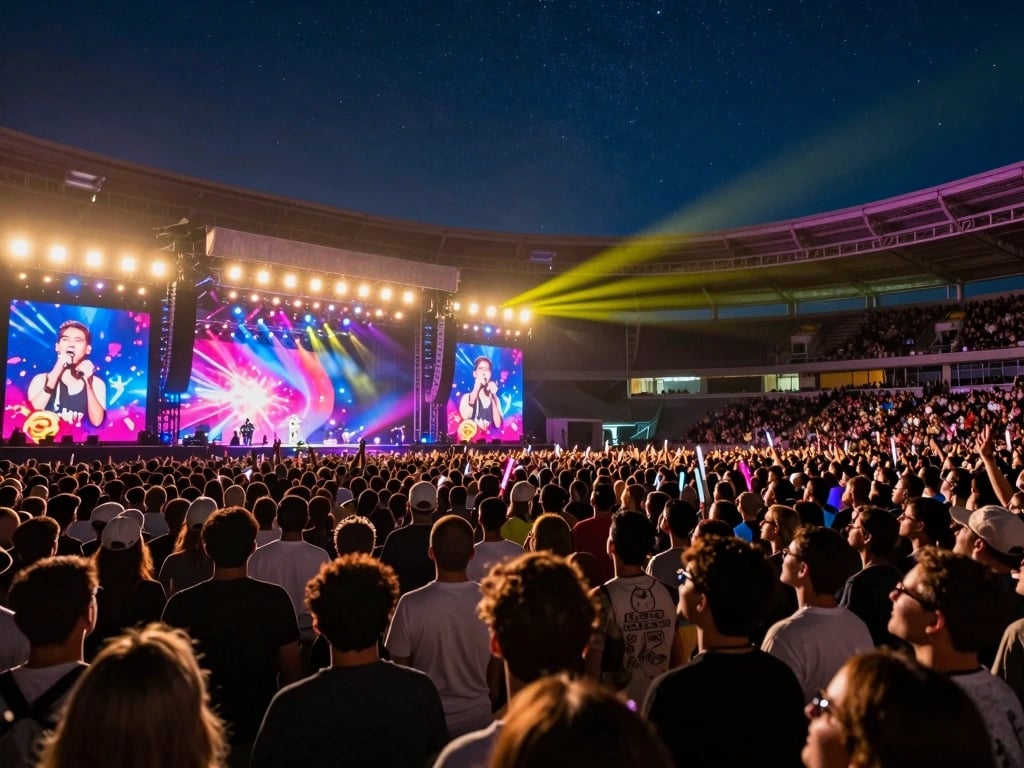
Stadium concert tours represent one of the most lucrative segments of the live music industry, but they also entail complex financial planning and budget management. A typical tour budget can range from several million to over a hundred million dollars, depending on the artist's popularity, the scale of the production, and the duration of the tour.
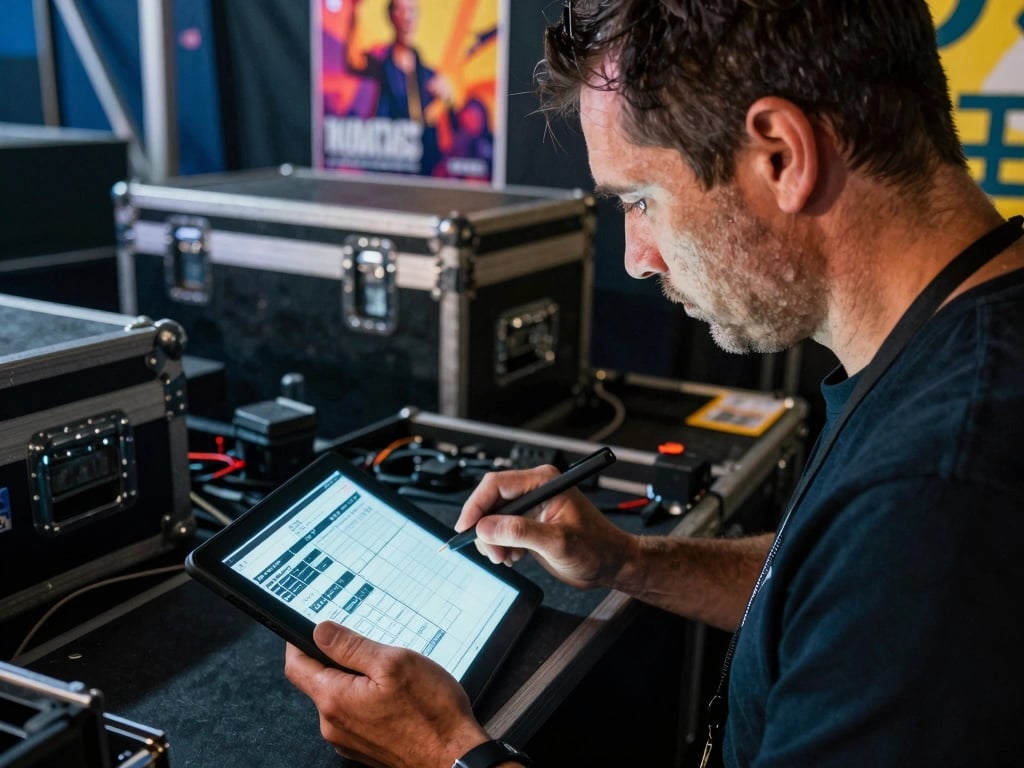
Production costs, including staging, lighting, and sound equipment, can consume a significant portion of the budget. For instance, a major artist like Taylor Swift may spend upwards of $50 million just on production for a stadium tour. Additionally, costs related to venue rentals, transportation, and accommodations for crew members contribute to the overall financial outlay.
Revenue Streams: Ticket Sales vs. Merchandise
When it comes to revenue generation, ticket sales are often the primary source of income for concert tours. However, the importance of merchandise sales should not be underestimated. For example, artists like Beyoncé and Ed Sheeran can generate millions in merchandise sales during their tours, sometimes matching or even surpassing ticket sales.
The profit margins for merchandise can be significantly higher than those for ticket sales. Whereas a typical ticket might sell for $100, a T-shirt might cost $25 to produce and can retail for $35 or more, yielding a substantial gross margin.
The Role of Sponsorships and Partnerships
Sponsorships and partnerships play a pivotal role in enhancing the financial viability of stadium tours. Major brands often see concert tours as an opportunity to reach targeted demographics. For instance, in 2019, the partnership between the Rolling Stones and the American Express brand allowed the credit card company to offer exclusive pre-sale tickets to its customers, while the band benefited from a substantial sponsorship deal.
Sponsorship deals can sometimes provide millions of dollars in funding, which can be instrumental in covering production costs and ensuring profitability. This collaborative effort not only boosts the financial aspect of the tour but also enhances marketing efforts through co-branded promotions.
Ticket Pricing Strategies in the Live Music Industry
Dynamics of Dynamic Pricing
Dynamic pricing has revolutionized how tickets are sold in the live music industry. Using algorithms, promoters can adjust ticket prices in real-time based on demand, similar to how airline ticket prices fluctuate. For instance, during Taylor Swift's "Reputation" stadium tour, ticket prices fluctuated significantly, with some tickets selling for as much as $1,000 on the primary market as demand surged.
This pricing strategy allows artists and promoters to maximize revenue, but it can also alienate fans unable to afford the inflated prices. As a result, dynamic pricing remains a controversial topic in the industry, balancing profitability with accessibility.
VIP Packages and Their Economic Impact
VIP packages are another lucrative avenue for artists and promoters. These packages often include premium seating, meet-and-greet opportunities, and exclusive merchandise, with prices ranging from several hundred to thousands of dollars. For instance, during the "Divide" tour, Ed Sheeran's VIP packages reached prices of $1,500, with many selling out quickly.
The economic impact of these packages is significant, as they can substantially increase overall revenue for a tour. However, they also contribute to the perception of exclusivity, potentially alienating regular fans who cannot afford such experiences.
Impact of Secondary Markets on Pricing
The secondary market for concert tickets, facilitated by platforms like StubHub and SeatGeek, also influences ticket pricing. These platforms allow fans to resell tickets, often at higher prices, depending on demand. For example, tickets for a sold-out concert by Billie Eilish on the secondary market were found selling for over twice their face value.
This secondary market can create a volatile pricing environment, where prices can soar based on factors like artist popularity, time until the event, and venue capacity. While this can benefit initial sellers, it raises concerns about ticket accessibility for average fans.
Cost Management: From Production to Promotion
Logistics and Infrastructure Expenses
Logistics and infrastructure are among the most significant expenses associated with stadium tours. Transporting equipment, setting up staging, and organizing sound and lighting require meticulous planning and a substantial budget. For major tours, the logistics can involve dozens of trucks and a dedicated crew traveling thousands of miles.
For example, the production for U2's "360° Tour" required over 180 trucks to transport the elaborate stage set-up, resulting in logistics costs that ran into the millions. Efficient management of these expenses is crucial for the overall profitability of the tour.
Marketing and Advertising Budgets
Effective marketing is essential for maximizing ticket sales, which leads to substantial investment in advertising. Marketing budgets can vary greatly but generally range from 5% to 15% of the overall tour budget. This can include traditional advertising, social media campaigns, and promotional partnerships.
For instance, when launching a new tour, an artist may allocate upwards of $5 million on marketing, including digital ads, billboards, and promotional events. The return on this investment is critical, as the success of ticket sales often hinges on effective marketing strategies.
Labor Costs: Crew, Security, and Staff
The labor costs associated with a stadium tour can be staggering. From sound engineers and lighting technicians to security personnel and venue staff, the labor force can number in the hundreds for larger tours. For instance, a major artist's stadium show can employ upwards of 150 crew members, with labor costs reaching several million dollars.
Security is another significant expense, especially in today's world, where safety concerns are paramount. Major tours often hire specialized security teams, sometimes costing over $100,000 per show. Effective cost management in these areas is crucial to maintaining profitability while ensuring a safe and successful concert experience.
Audience Demographics and Economic Implications
Targeting High-Income Markets
Stadium tours often target high-income demographics, as these individuals are more likely to spend on premium tickets and merchandise. Artists strategically choose tour locations based on demographic data, focusing on cities with higher disposable incomes. For example, shows in cities like Los Angeles, New York, and Miami typically attract wealthier audiences, allowing for higher ticket prices.
This targeting of affluent audiences has significant economic implications, as it shapes marketing strategies and overall pricing structures. It also leads to an increased focus on VIP offerings and exclusive experiences, enhancing revenue potential.
Regional Economic Factors Affecting Attendance
Regional economic factors can greatly influence concert attendance. Economic downturns, unemployment rates, and local spending power all play a role in determining whether fans can afford to attend a concert. For instance, during the COVID-19 pandemic, many tours faced cancellations and postponements due to economic uncertainty, affecting attendance rates and overall revenues.
In contrast, when the economy is thriving, as seen in 2022, many artists reported record-breaking ticket sales. Understanding these regional economic factors is essential for artists and promoters when planning tours, as they can significantly impact profitability.
The Influence of Streaming on Live Concert Attendance
The rise of streaming services has transformed the way fans consume music, potentially impacting concert attendance. While streaming platforms like Spotify and Apple Music have made music more accessible, there is an ongoing debate about whether this leads to reduced live concert attendance.
For example, data suggests that while streaming has increased overall music consumption, it has not necessarily diminished the desire for live experiences. In fact, many artists have seen an increase in concert attendance, with tours becoming a focal point of their marketing efforts. This phenomenon highlights a complex interplay between streaming and live music, influencing economic decisions in the concert industry.
Long-Term Economic Effects of Stadium Tours on Local Economies
Job Creation and Economic Stimulus
Stadium tours can have a profound impact on local economies, often resulting in job creation and economic stimulus. Concerts can generate temporary employment opportunities for local workers, including stagehands, security personnel, and hospitality staff. For example, a single stadium concert can create over 1,000 temporary jobs in a city.
Moreover, the influx of concertgoers can lead to increased spending in local businesses, from hotels and restaurants to retail stores. Cities that host major tours often see a boost in their local economy, with studies showing that concerts can generate millions in revenue for the host city.
Impact on Hospitality and Local Businesses
The hospitality sector often reaps significant benefits from stadium concerts. Hotels typically see a surge in bookings on event nights, with prices often increasing due to demand. Restaurants and bars also experience increased foot traffic, resulting in higher sales.
For instance, during the "On the Run II" tour by Jay-Z and Beyoncé, cities like Atlanta saw hotel occupancy rates spike to nearly 100% during concert weekends, leading to millions in revenue for local businesses. Such economic boosts can be crucial for cities, particularly those reliant on tourism and events.
Measuring the Return on Investment for Cities
Measuring the return on investment (ROI) for cities hosting stadium tours can be complex. While direct revenue from ticket sales is easily quantifiable, the broader economic impact, including job creation and local spending, requires more comprehensive analysis.
Many cities have begun to adopt metrics to evaluate the economic impact of concert tours. For example, the city of Nashville has been known to conduct studies post-event to assess the fiscal impact of concerts, evaluating spending patterns and local economic growth. Understanding the ROI of stadium tours is essential for cities seeking to attract more events and capitalize on the economic benefits of live music.