What is Rabbit Gut Stasis?
Definition and Overview
Rabbit gut stasis, also known as gastrointestinal stasis or ileus, is a critical condition characterized by a significant slowdown or complete cessation of the normal digestive processes in rabbits. This life-threatening condition can lead to severe health complications if not addressed promptly. In simple terms, gut stasis occurs when a rabbit's gastrointestinal tract (GI tract) fails to move food through, resulting in the accumulation of gas and food material, which can lead to pain, bloating, and in severe cases, rupture of the intestine.
Normal Digestive Function in Rabbits
Rabbits are herbivores with a specialized digestive system designed for processing high-fiber diets. Their digestive tract comprises a complex arrangement of organs that work together to ensure proper digestion and nutrient absorption. In a healthy rabbit, food passes through the stomach and into the intestines, where it undergoes fermentation and absorption of nutrients. The cecum, a large pouch connecting the small and large intestines, plays a crucial role in breaking down fibrous materials. Regular gut motility is essential for maintaining a healthy balance of gut flora and preventing the buildup of harmful bacteria.
Signs and Symptoms of Gut Stasis
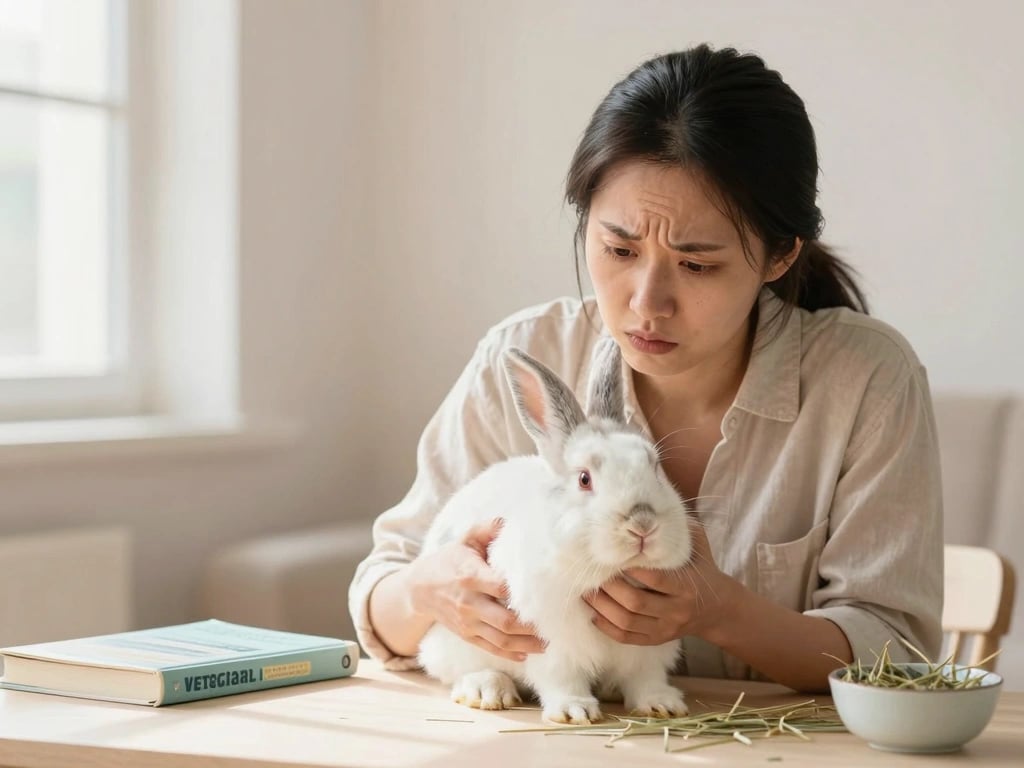
Recognizing the signs and symptoms of gut stasis is crucial for early intervention. Common indicators include:
- Decreased or Absent Appetite: Rabbits in gut stasis may refuse to eat or show a significant decrease in food intake.
- Change in Fecal Output: There may be a noticeable reduction in the quantity or size of droppings. Small, hard fecal pellets or the absence of feces entirely are concerning signs.
- Abdominal Discomfort: Affected rabbits may exhibit signs of pain, such as grinding their teeth, hunching their backs, or being less active.
- Bloating: An increase in abdominal girth due to gas buildup can be observed, often accompanied by a distended stomach.
- Lethargy: Rabbits may become unusually inactive, spending more time resting and showing less interest in their surroundings.
Causes of Rabbit Gut Stasis
Dietary Factors and Nutritional Deficiencies
A common cause of gut stasis in rabbits is an inadequate diet lacking essential nutrients and fiber. Rabbits require a diet rich in hay, particularly timothy hay, which should make up the bulk of their daily intake. A lack of high-fiber hay and an over-reliance on pellets or sugary treats can lead to digestive issues. For instance, a diet consisting of only commercial pellets can disrupt normal gut motility due to insufficient fiber content.
Furthermore, sudden dietary changes can be detrimental. For example, introducing new vegetables or treats too quickly can upset a rabbit's digestive balance, leading to stasis. It's crucial to introduce any new food gradually and monitor the rabbit's response.
Stress and Environmental Influences
Rabbits are sensitive creatures that can experience stress from various environmental factors. Changes in their living conditions, such as moving to a new home, the introduction of new pets, or loud noises, can trigger gut stasis. Stress hormones can disrupt the normal functioning of the digestive system, leading to a decrease in gut motility. For example, a rabbit that has recently been weaned or one that has experienced a traumatic event may be more susceptible to gut stasis due to heightened stress levels.
Health Conditions Contributing to Stasis
Several underlying health conditions can predispose rabbits to gut stasis. Dental problems, such as overgrown molars, can lead to pain while eating, causing the rabbit to eat less and subsequently develop stasis. Additionally, gastrointestinal infections or parasites can disrupt normal digestion. Conditions such as kidney disease, liver disease, or any condition causing significant pain can also contribute to the onset of gut stasis.
Consequences of Untreated Gut Stasis
Impact on Rabbit Health and Well-being
If left untreated, gut stasis can have severe implications for a rabbit's health. The lack of food movement can lead to a buildup of toxins in the body, resulting in systemic effects such as lethargy, dehydration, and electrolyte imbalances. Moreover, untreated gut stasis can lead to a significant decline in overall health and well-being, making the rabbit more susceptible to other illnesses.
Potential for Severe Complications
One of the most alarming consequences of untreated gut stasis is the potential for gastrointestinal rupture. As gas and food accumulate, pressure builds within the intestines, which may eventually lead to a rupture. This condition is not only life-threatening but also requires immediate surgical intervention, which can be costly and carries its own risks of complications during recovery.
Long-term Effects on Digestive Health
Even after treatment, rabbits that have experienced gut stasis may face long-term digestive issues. They may develop chronic gastrointestinal problems, impacting their ability to process food effectively. Some rabbits may also become more prone to recurring bouts of stasis, creating a cycle that can be difficult to break and requiring ongoing management and care.
Diagnosis and Identification of Gut Stasis
Veterinary Examination and Diagnostic Tools
Diagnosing rabbit gut stasis typically involves a thorough veterinary examination. Vets will assess the rabbit's overall condition, palpate the abdomen to check for signs of bloating or discomfort, and evaluate the rabbit's fecal output. Diagnostic tools such as radiographs (X-rays) may also be employed to visualize the gastrointestinal tract and determine the extent of stasis and any potential obstructions.
Importance of Early Detection
Early detection of gut stasis is critical for successful treatment. If owners can recognize the initial signs and symptoms, they can seek veterinary care before the condition escalates. Statistics indicate that rabbits with early interventions have a significantly higher survival rate compared to those treated later in the progression of the condition.
Common Misdiagnoses and Their Risks
Gut stasis can sometimes be misdiagnosed as other health issues, such as gastrointestinal upset or respiratory problems, due to overlapping symptoms like lethargy and decreased appetite. Misdiagnosing gut stasis may lead to delays in appropriate treatment, worsening the rabbit's condition. For instance, if a vet mistakenly treats a rabbit for a respiratory infection instead of recognizing the signs of gut stasis, the rabbit may develop further complications, including severe dehydration and the risk of intestinal rupture.
Treatment and Prevention Strategies
Immediate Interventions and Medical Treatments
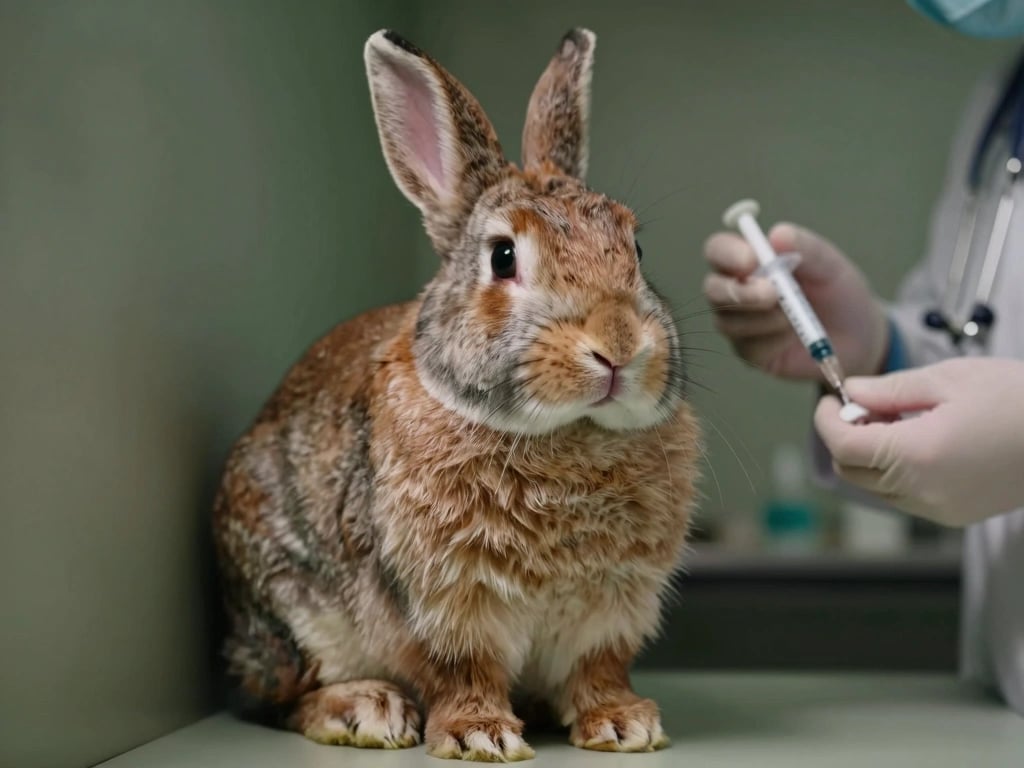
Treatment for gut stasis usually begins with immediate veterinary care. The vet may administer pain relief and fluids to address dehydration and discomfort. In many cases, prokinetic medications, such as metoclopramide, are prescribed to stimulate the digestive system and encourage gut motility. In severe cases, hospitalization may be required for intensive care and monitoring.
In cases of obstruction, surgical intervention may be necessary to remove the blockage and restore normal digestive function. Post-surgery, rabbits require close monitoring, a tailored diet, and supportive care to aid recovery.
Dietary Adjustments and Nutritional Support
Following recovery from gut stasis, dietary adjustments play a crucial role in preventing future episodes. A rabbit's diet should primarily consist of high-quality hay, such as timothy hay, supplemented with leafy greens and a limited amount of pellets. Owners should avoid sugary treats and ensure that any new foods are introduced gradually. For instance, a daily serving of vegetables, such as romaine lettuce or cilantro, can provide essential nutrients without overwhelming the digestive system.
Preventive Care and Stress Management Techniques
Preventing gut stasis involves not only dietary management but also stress reduction. Providing a stable environment, minimizing loud noises, and offering safe spaces for rabbits to retreat can help alleviate stress. Additionally, regular veterinary check-ups can catch dental issues or other health concerns before they contribute to gut stasis. Owners should also engage in regular handling and socialization to ensure their rabbits are comfortable and confident in their surroundings.