Principles of Electric Arc Furnace Operation
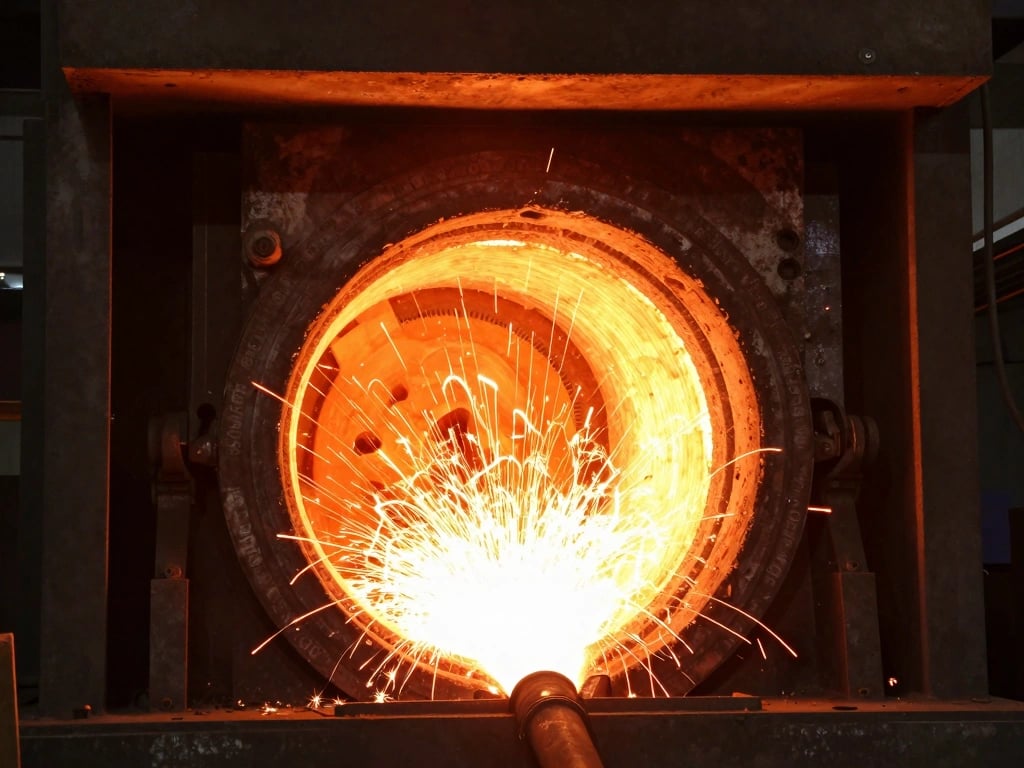
Overview of Electric Arc Furnace Technology
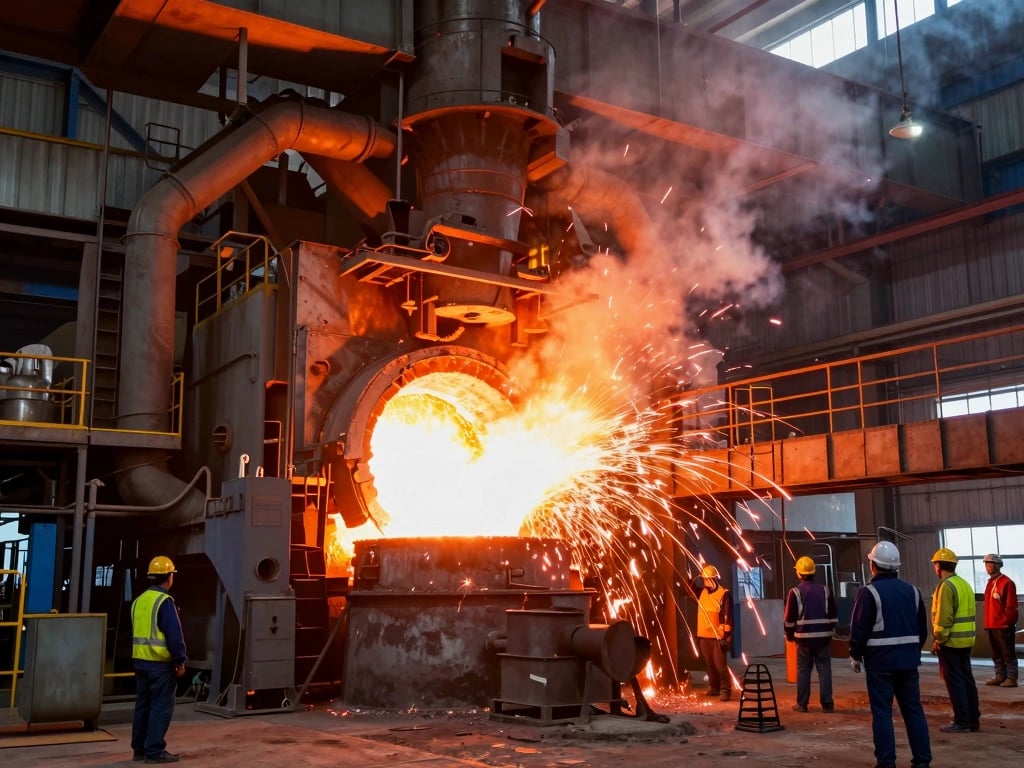
The Electric Arc Furnace (EAF) is a crucial technology in modern steelmaking, particularly in the recycling of scrap steel. Unlike traditional blast furnaces, which rely on coke and iron ore, EAFs utilize electric arcs to melt scrap steel, making them more flexible in terms of raw material inputs and significantly more energy-efficient. The basic principle behind EAF operation involves generating high temperatures through electric arcs created between electrodes and the charge material, enabling the melting of steel at a much faster rate than conventional methods.
Key Components of an Electric Arc Furnace
Electric Arc Furnaces consist of several key components that contribute to their operational efficiency:
- Furnace Shell: The outer casing that contains the furnace's internal components and withstands high temperatures.
- Electrodes: Typically made of graphite, these are used to conduct electricity and generate the arc necessary for melting the charge.
- Lining: The interior lining protects the furnace shell from heat and chemical reactions, usually composed of refractory materials.
- Charging System: Mechanisms used to load scrap steel and other materials into the furnace.
- Power Supply: The system that provides electrical energy to the electrodes, controlling the arc's intensity and duration.
Electric Arc Generation and Control
The electric arc in an EAF is generated by supplying high-voltage electricity to the electrodes. When the electrodes are lowered into the charge, the electrical current flows through the electrodes and arcs across the gap to the scrap steel, forming an intense heat source that can exceed 3,000°C (5,432°F). The control of the arc is critical; operators adjust the electrode position and the power supply to optimize melting efficiency and energy consumption. Advanced control systems monitor parameters such as voltage, current, and temperature, ensuring that the melting process is both productive and safe.
Raw Materials and Input Processes
Types of Materials Used in Electric Arc Furnaces
Electric Arc Furnaces primarily use scrap steel as their main feedstock. However, they can also process other materials to produce various grades of steel:
- Scrap Steel: The most common input, collected from discarded vehicles, buildings, and manufacturing processes.
- Direct Reduced Iron (DRI): Used to supplement scrap steel, particularly when high-quality steel is required.
- Hot Briquetted Iron (HBI): A form of DRI that is compacted and can be easily transported, providing a consistent quality input.
Charging Process: Loading the Furnace
The charging process involves several steps to ensure optimal material input into the EAF. Initially, scrap steel and other materials are loaded into a charging bucket or directly into the furnace using overhead cranes. The materials are typically pre-sorted to remove contaminants that can affect steel quality. A well-planned charging strategy can significantly enhance the melting efficiency and reduce energy consumption. For example, operators may use a mix of scrap steel and DRI to achieve desired chemical compositions in the final product.
Impact of Material Quality on Steel Production
The quality of raw materials directly influences the characteristics of the produced steel. Higher quality scrap, with lower levels of impurities such as sulfur and phosphorus, results in superior steel quality. In contrast, the presence of contaminants can lead to defects in the final product. Steel mills often conduct rigorous quality checks on incoming materials, using techniques like spectroscopy to analyze the chemical composition and ensure that it meets production standards.
Energy Efficiency and Environmental Considerations
Energy Consumption in Electric Arc Furnaces
Electric Arc Furnaces are known for their energy efficiency, consuming significantly less power compared to traditional steelmaking methods. On average, EAFs require about 400-800 kWh per ton of steel produced, whereas blast furnaces can consume upwards of 1,500 kWh per ton. This efficiency can be attributed to the ability of EAFs to utilize recycled materials and their shorter production cycles, which also reduce overall energy costs. The flexibility of EAFs allows for the integration of renewable energy sources, further enhancing their sustainability profile.
Emission Control Technologies
With increasing environmental regulations, EAFs have adopted several emission control technologies to minimize air pollutants. Common methods include:
- Bag Filters: Used to capture particulate matter generated during the melting process.
- Scrubber Systems: Employed to remove harmful gases such as sulfur dioxide and nitrogen oxides from the exhaust.
- Carbon Capture and Storage (CCS): Emerging technologies designed to capture CO2 emissions for storage or reuse.
These technologies not only comply with regulatory requirements but also contribute to the overall sustainability of the steel production process.
Recycling and Sustainability in Steel Production
The EAF process is inherently sustainable due to its reliance on recycled scrap steel, with up to 70% of the input material often being recycled content. This not only conserves natural resources but also reduces the carbon footprint associated with steel production. Moreover, the recycling process itself consumes less energy and generates fewer emissions compared to primary steelmaking. Steel produced from EAFs can be recycled repeatedly without losing its quality, making it a key player in a circular economy.
Process Optimization and Technological Advancements
Automation and Monitoring Systems
Modern Electric Arc Furnaces have incorporated advanced automation and monitoring systems to enhance productivity and safety. These systems utilize sensors and real-time data analytics to monitor the melting process, allowing operators to make timely adjustments to the input materials, power supply, and operational parameters. For instance, automated systems can detect temperature fluctuations and adjust the electrode position dynamically to maintain optimal arc stability, ultimately leading to improved product quality and reduced energy consumption.
Innovations in Furnace Design
Recent innovations in furnace design have focused on increasing efficiency and reducing operational costs. For example, the development of hybrid EAFs combines traditional EAF technology with additional heat sources, such as natural gas or plasma, to enhance melting rates. Another innovation is the introduction of tilting furnaces, which allows for better control of the molten steel and improved tapping processes. These advancements not only optimize production but also enhance the safety and ergonomics of the operational environment.
Future Trends in Electric Arc Furnace Technology
The future of Electric Arc Furnace technology is poised for further advancements, particularly in the areas of energy efficiency and sustainability. Emerging trends include:
- Integration of AI and Machine Learning: To optimize operational parameters and predict maintenance needs, reducing downtime.
- Increased Use of Renewable Energy: Incorporating solar and wind power into EAF operations to reduce reliance on fossil fuels.
- Advanced Materials for Electrodes: Research into new materials that can withstand higher temperatures and last longer, improving efficiency.
These trends indicate a shift towards more sustainable and efficient steel production processes that will likely define the future of the heavy industry.
Challenges and Limitations of Electric Arc Furnaces
Operational Challenges in Steel Mills
Despite their advantages, Electric Arc Furnaces face several operational challenges. These can include:
- Material Variability: The quality and composition of scrap steel can vary significantly, affecting melting efficiency and steel quality.
- Furnace Maintenance: Regular maintenance is required to ensure optimal performance, with wear on electrodes and linings being common issues.
- Power Supply Stability: Fluctuations in electrical supply can impact the melting process and overall productivity.
Addressing these challenges requires ongoing investment in technology and regular training for personnel to ensure effective operations.
Economic Factors Affecting Electric Arc Furnace Operations
The economic landscape significantly influences the operation of Electric Arc Furnaces. Factors such as the global price of scrap steel, energy costs, and market demand for finished steel products can impact profitability. For instance, during periods of high scrap prices, the cost of production may increase, prompting mills to explore alternative materials or production methods. Additionally, fluctuations in electricity prices can directly affect operational costs, making energy efficiency crucial for maintaining competitive pricing.
Comparative Analysis with Other Steelmaking Methods
When comparing Electric Arc Furnaces to other steelmaking methods, such as Blast Furnaces and Basic Oxygen Furnaces (BOF), several key differences emerge:
- Raw Material Input: EAFs primarily use scrap steel, while BOFs rely on iron ore and coke.
- Energy Efficiency: EAFs are generally more energy-efficient, particularly when utilizing recycled materials.
- Production Flexibility: EAFs can quickly adjust production volumes based on market demand, unlike the more rigid processes of BOFs.
These differences highlight the strategic advantages of Electric Arc Furnaces, particularly in a market increasingly focused on sustainability and resource conservation.