The Nature of Port Fees in the Cruise Industry
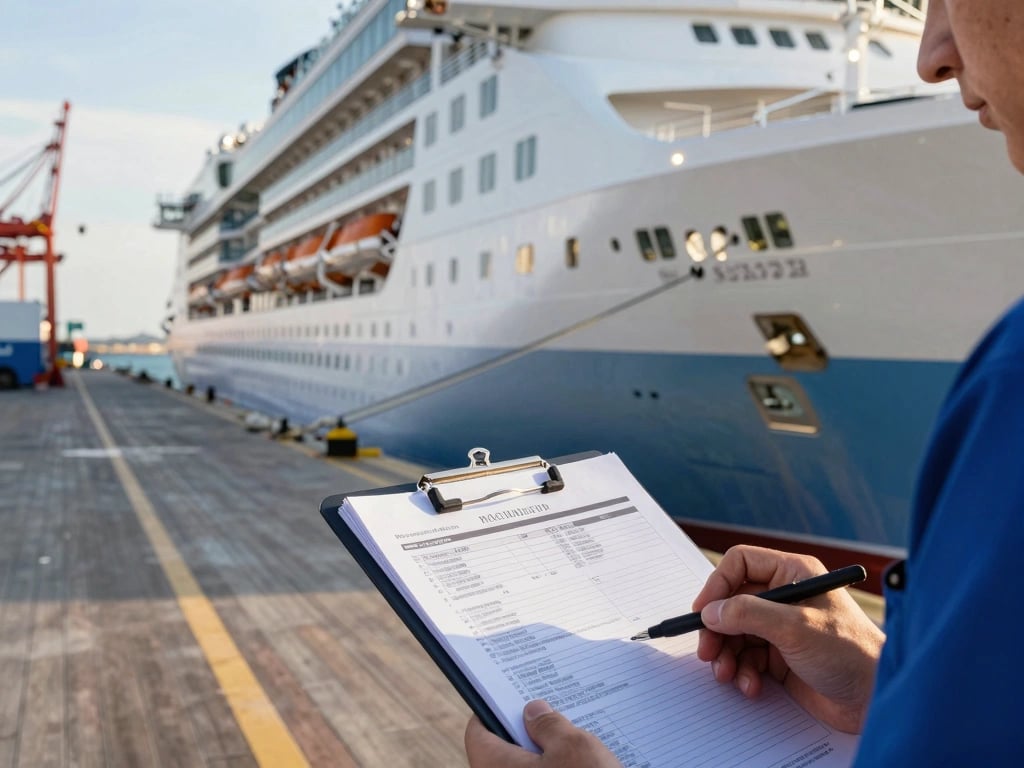
Definition and Types of Port Fees
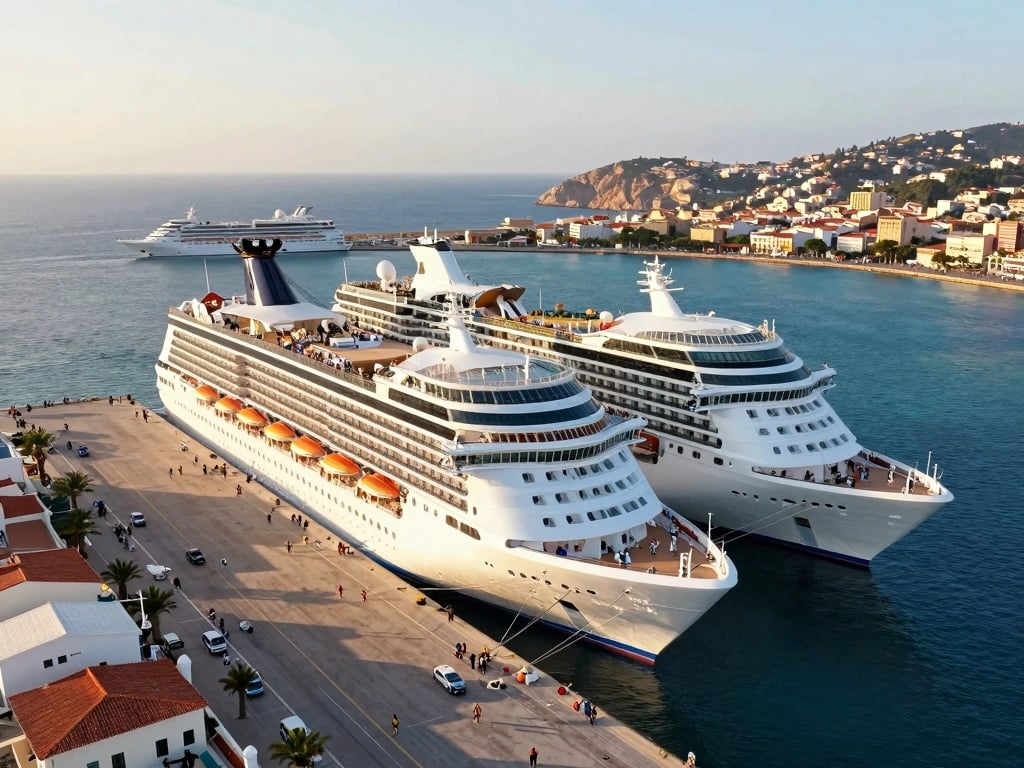
Port fees are charges levied by ports for the use of their facilities and services. They can vary significantly depending on the destination, the size of the ship, and the type of services provided. In the cruise industry, these fees are generally classified into several categories:
- Docking Fees: Charges for berthing the ship at the port.
- Harbor Fees: Costs associated with using the navigational waters and harbor facilities.
- Passenger Fees: Per-passenger fees that ports charge for processing travelers and providing amenities.
- Environmental Fees: Charges aimed at covering the costs of environmental protection measures and sustainability initiatives.
- Security Fees: Fees that contribute to the safety and security measures at the port.
How Port Fees are Calculated
Port fees are typically calculated based on various factors, including the size of the vessel (measured in gross tonnage), the number of passengers, and the duration of stay. For example, a large cruise ship may incur significantly higher docking fees than a smaller vessel due to its size and the resources required to accommodate it. Additionally, ports may charge a flat rate or a variable rate based on the specific services utilized during the ship's stay.
Differences in Port Fees Across Destinations
The cost of port fees can vary widely across different geographical locations. For instance, a port in the Caribbean may charge around $5 to $10 per passenger, while a European port could impose fees ranging from $20 to $50 per passenger. Port fees in destinations with higher operational costs or stringent regulations tend to be higher. This disparity creates challenges for cruise lines when setting pricing strategies, as they must consider the wide range of fees associated with each destination.
Pricing Strategies of Cruise Lines
Competitive Pricing Models
Many cruise lines operate in an intensely competitive market, prompting them to adopt pricing strategies that may exclude certain fees from their initial quotes. By presenting lower upfront costs, cruise lines can attract more customers, especially those who are price-sensitive. For instance, a cruise line may quote a base fare of $500 for a week-long cruise, not including port fees, which could amount to an additional $200. This approach allows the cruise line to showcase a more attractive price point compared to competitors who might include all fees in their quotes.
Perceived Value and Marketing Tactics
Excluding port fees from initial quotes allows cruise lines to market their packages in a way that emphasizes perceived value. By breaking down costs into smaller, more manageable pieces, cruise lines can highlight their base fare while downplaying additional expenses. For example, a cruise line might advertise a cruise starting at $399, while the final cost may exceed $600 after adding port fees and other charges. This tactic can entice customers into booking, as they perceive they are getting a good deal upfront.
Impact of Inclusion on Initial Quote
Including port fees in the initial quote could significantly impact consumer behavior. If a cruise line were to include all fees in their advertised price, the upfront cost could appear substantially higher than competitors who exclude these fees. For example, if Cruise Line A advertises a price of $600 while Cruise Line B includes $150 in port fees, the perceived difference in value could deter potential customers from considering Cruise Line A. This disparity can lead to a false sense of affordability and create a competitive disadvantage for those that offer transparency in pricing.
Consumer Behavior and Expectations
Understanding Consumer Perceptions of Total Costs
Consumers often have varying perceptions of what constitutes the total cost of a cruise. Many individuals primarily focus on the base fare when comparing options. Research indicates that a significant portion of consumers may not fully account for additional costs such as port fees, excursions, or onboard spending. Consequently, cruise lines may benefit from this behavior by marketing lower initial prices, knowing that consumers often overlook the importance of port fees in their overall travel budget.
How Consumers Research and Compare Prices
When researching cruise options, consumers typically use online travel agencies, cruise line websites, and travel forums to compare prices. However, these channels often present prices without a clear breakdown of what is included. As a result, a consumer may see an attractive base price for a cruise but fail to recognize that port fees will be added later. This lack of clarity can lead to frustration upon booking when the final cost exceeds their budget due to unforeseen additional charges.
The Role of Transparency in Customer Trust
Transparency plays a crucial role in building customer trust. Many consumers express a preference for inclusive pricing models that clearly outline all costs upfront. Brands that prioritize transparency can foster long-term loyalty and improve customer satisfaction. Conversely, cruise lines that opt for a more opaque pricing structure may risk damaging their reputation if customers feel misled when final costs become apparent. A shift towards greater transparency in pricing, including port fees, could enhance trust and encourage repeat business.
Operational Considerations for Cruise Lines
Variability of Port Fees and Its Implications
The variability of port fees poses significant challenges for cruise lines. Because port fees differ by location and can change frequently, cruise lines must navigate a complex landscape when determining pricing strategies. For example, if a cruise line sets its base fare based on previously quoted port fees, any sudden increase in port fees—due to regulatory changes or heightened security measures—could negatively impact profitability. This unpredictability contributes to the decision to exclude port fees from initial quotes, allowing for more flexibility in pricing decisions.
Negotiations with Port Authorities
Cruise lines often engage in negotiations with port authorities to secure favorable rates for docking and other services. These negotiations can lead to fluctuations in port fees depending on seasonal demand, competition, and the specific needs of the cruise line. For instance, a cruise line may negotiate a lower fee for a particular port during the off-peak season to attract more travelers. However, the variability in these fees can make it challenging for cruise lines to provide consistent pricing in their marketing materials, leading to the exclusion of such fees from quotes.
Logistical Challenges in Including Port Fees
Incorporating port fees into pricing structures presents logistical challenges for cruise lines. Each port visited may have distinct pricing structures, which complicates the process of presenting a single price to consumers. For example, a cruise itinerary that includes stops in multiple countries could involve different port fees for each destination. This complexity makes it impractical for cruise lines to provide a straightforward quote that encompasses all potential fees, leading to a preference for excluding these charges.
Future Trends in Cruise Pricing and Port Fees
Potential Changes in Industry Regulations
As consumer demand for transparency grows, there may be a shift in industry regulations to mandate clearer pricing disclosures. Regulatory bodies could require cruise lines to provide full disclosure of all fees, including port fees, in their advertising. Such regulations would not only enhance consumer trust but could also level the playing field among cruise lines, forcing them to compete on a more transparent basis.
Consumer Demand for Inclusive Pricing
As travelers become more educated and discerning, there is an increasing demand for inclusive pricing models that clearly outline all costs upfront. This trend is reflected in other areas of travel, such as all-inclusive resorts and package deals that incorporate taxes and fees. If cruise lines respond to this demand by adopting a more inclusive pricing strategy, they may attract a broader customer base and enhance overall satisfaction.
Innovations in Pricing Transparency
Technological advancements could play a crucial role in enhancing pricing transparency in the cruise industry. For instance, implementing dynamic pricing models that automatically adjust based on real-time data from port authorities can provide more accurate quotes. Additionally, cruise lines may explore digital platforms that allow for detailed breakdowns of costs, including port fees, in real time. Such innovations could lead to more informed consumer choices and foster increased trust in cruise line pricing strategies.