Demographics of Full-Size Truck Buyers
Age and Lifestyle Factors
Understanding the demographics of full-size truck buyers is essential to grasp why many of them tow rarely. The average demographic of full-size truck owners tends to skew towards middle-aged individuals, typically between the ages of 35 and 55. This age group often consists of families or individuals in stable careers who prioritize practicality and utility in their vehicle choices.
Many truck buyers fall into lifestyle categories where towing is not a primary requirement. For instance, urban professionals may opt for full-size trucks for their spacious interiors and higher driving positions, which provide an appealing view of the road. However, their daily routines often do not involve towing activities, such as hauling trailers, boats, or heavy equipment.
Income Levels and Purchasing Power
The income levels of full-size truck buyers also play a significant role in their purchasing decisions. The average price of a full-size truck can range from $35,000 to over $65,000, depending on the model and trim level. Buyers in the upper-middle-class bracket often purchase these vehicles for status and versatility rather than for their towing capabilities.
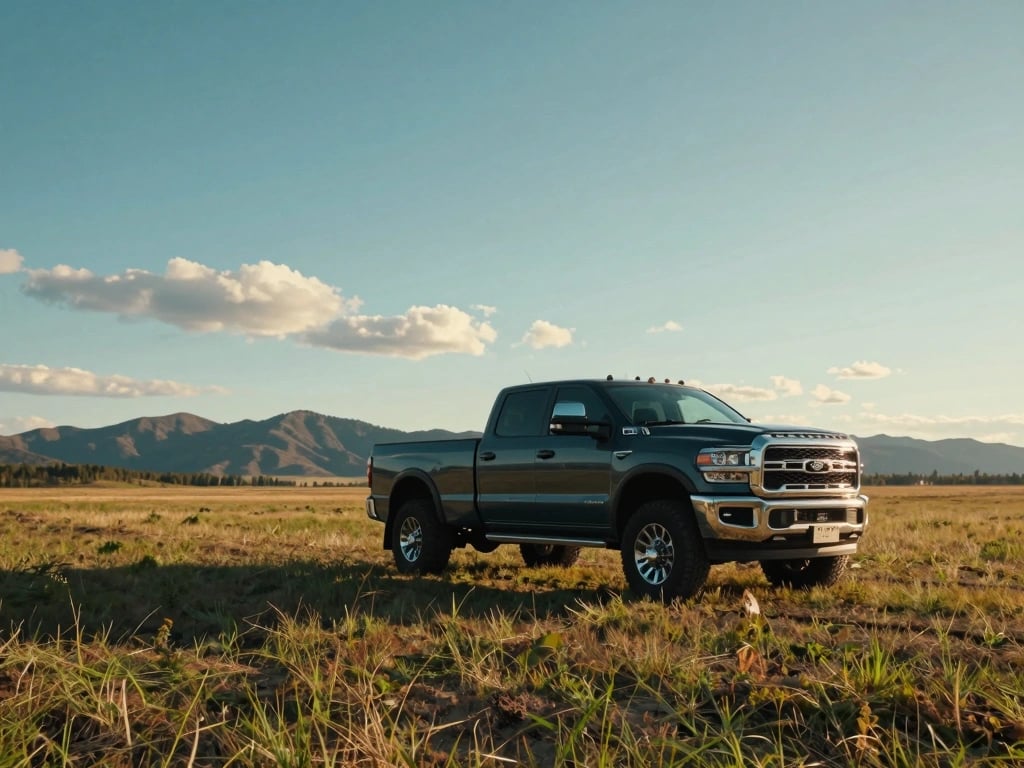
For instance, models like the Ford F-150 and Chevrolet Silverado are often marketed as workhorses, yet many buyers utilize them primarily for commuting and family transport. According to recent data, approximately 60% of full-size truck owners report that they rarely, if ever, tow anything, indicating a disconnect between vehicle capabilities and actual usage.
Geographic Distribution and Usage Patterns
Geography significantly influences towing habits among full-size truck owners. In rural areas, trucks are more likely to be used for towing due to agricultural needs or recreational activities such as camping and boating. Conversely, in urban and suburban settings, the demand for towing diminishes. For example, in a city like Los Angeles, the typical truck owner may prioritize parking space and fuel efficiency over towing capacity.
Research shows that about 70% of full-size truck owners in urban areas cite daily commuting as the primary purpose for their vehicle, while only 30% use their trucks for towing-related activities. This trend highlights how location and lifestyle impact the perceived need for towing capacity.
Perceived Utility vs. Actual Usage
Marketing Influence on Buyer Expectations
Full-size truck manufacturers heavily market their vehicles as capable workhorses designed for towing and heavy-duty tasks. Advertisements often highlight the towing capacities of models like the Ram 1500 and GMC Sierra, creating an expectation among consumers that these trucks will frequently be used for hauling large loads.
However, this marketing strategy can lead to a misalignment between buyer expectations and actual usage. Many truck owners purchase vehicles with the belief that they will participate in recreational towing or home improvement projects. Yet, once they own the truck, they often find that their actual needs do not require the towing capacity they initially thought they would utilize.
The Role of Aesthetic Appeal in Purchase Decisions
In recent years, the aesthetic appeal of full-size trucks has become increasingly important to buyers. Modern designs and luxurious interiors have made trucks desirable not just for their utility but for their style as well. Models like the Toyota Tundra and the Ford F-150 have focused on sleek designs and premium features that cater to buyers' tastes.
This shift towards aesthetics means that many buyers are drawn to trucks for their visual appeal and comfort, rather than their towing potential. A significant number of truck owners may prioritize features such as infotainment systems, leather seats, and advanced sound systems over towing capabilities, leading to a further decrease in actual towing use.
Owner Expectations vs. Real-World Needs
There is often a gap between what truck buyers expect from their vehicles and what they actually need. Many buyers envision themselves engaging in various towing activities, such as pulling a camper or a boat. However, once they own the truck, they may find that their lifestyle does not support such activities.
For instance, a family may purchase a full-size truck with the intention of towing a travel trailer for vacations. However, after a few trips, they may realize that the hassle of towing, the costs associated with maintenance, and the logistics of parking can outweigh the benefits. Consequently, they may opt to use their truck primarily for family outings and daily commutes, further contributing to the trend of rare towing.
Alternative Vehicles and Consumer Preferences
Shifts Towards SUVs and Crossovers
The automotive market has seen a significant shift towards SUVs and crossovers, which offer many of the same benefits as full-size trucks without the added bulk and towing capacity. Many consumers now prefer these vehicles for their versatility, comfortable ride, and better fuel efficiency.
For example, the popularity of models like the Honda CR-V and Toyota RAV4 has increased dramatically over the past decade. These vehicles appeal to the same demographic that might have previously considered a full-size truck but are looking for a more practical solution for daily driving and family transportation.
Cost of Ownership Considerations
Cost is a major factor influencing vehicle choice. Full-size trucks often come with higher maintenance, insurance, and fuel costs compared to SUVs and crossovers. Many buyers weigh these financial considerations when deciding whether to tow or engage in heavy-duty activities. The average cost of ownership for a full-size truck can exceed $10,000 annually, whereas a crossover might cost around $8,000.
As a result, many truck owners may find that the cost of towing equipment, such as trailers and hitch systems, adds an additional layer of expense. This financial burden can discourage them from utilizing their trucks for towing purposes, leading to a trend where the vehicles are used more for commuting and leisure than for their intended capabilities.
Fuel Efficiency and Environmental Concerns
In recent years, growing awareness of environmental issues has influenced consumer preferences in the automotive industry. Full-size trucks typically consume more fuel than smaller vehicles, which can deter buyers from using them for towing.
For instance, while the Ford F-150 offers impressive towing capacities, its fuel efficiency may not be as appealing to environmentally conscious buyers. As fuel prices fluctuate and environmental regulations tighten, many truck owners may reconsider their towing habits to save on fuel costs and reduce their carbon footprint.
Technological Advancements in Towing Capabilities
Enhanced Features That Reduce Towing Necessity
Advancements in automotive technology have led to features that reduce the necessity for towing among full-size truck owners. For example, many trucks now come equipped with built-in storage solutions and high payload capacities, enabling owners to carry large items without needing to attach a trailer.
Features like the MultiPro Tailgate available on the GMC Sierra allow for easier loading and unloading of cargo, making it more convenient for owners to use their trucks for everyday tasks without resorting to towing. As a result, the need for towing diminishes as these functionalities become more prevalent.
Integration of Smart Technologies in Full-Size Trucks
Smart technologies have transformed how full-size trucks are used. With the integration of systems like adaptive cruise control, lane-keeping assist, and advanced parking features, many truck owners find they can manage their daily activities without needing to tow.
For instance, the Ford F-150 offers Pro Power Onboard, which provides up to 7.2 kW of power output, allowing owners to use their trucks as mobile generators. This feature enables them to power tools and equipment directly from the truck, reducing the need for towing a trailer with equipment.
Impact of Advanced Safety Features on Towing Decisions
Advanced safety features in full-size trucks have also influenced towing decisions. While these features enhance towing safety, they can also deter owners from towing altogether. Systems such as blind-spot monitoring, trailer sway control, and rear cross-traffic alert can make towing easier but may also raise awareness of the complexities involved.
As truck owners become more informed about the potential challenges of towing, they may choose to forego it in favor of simpler, safer driving experiences. This shift in mindset can further contribute to the trend of rare towing among full-size truck buyers.
Market Trends and Economic Influences
Economic Factors Impacting Towing Frequency
The economy plays a crucial role in influencing the frequency of towing among full-size truck owners. Economic downturns can lead to reduced disposable income, making people less likely to invest in towing-related activities and equipment. Additionally, during uncertain economic times, consumers often prioritize practical and cost-effective transportation solutions.
For example, during the COVID-19 pandemic, many individuals reevaluated their spending habits, resulting in a decline in recreational activities, including towing. Statistics indicated that the demand for towing vehicles dropped significantly as people focused on essential expenses, leading to a long-term shift in usage patterns.
Seasonal and Regional Demand Variations
Seasonal and regional variations also impact how often full-size trucks are used for towing. In regions with harsh winters, such as the northern United States, towing activities may decrease during colder months. Conversely, in warmer climates, there may be higher demand for recreational towing during peak seasons.
However, many truck owners may still prefer to engage in activities that do not require towing, such as road trips or local outings. This behavior further illustrates the disconnect between the capabilities of full-size trucks and their actual usage patterns across different seasons and locations.
Future Projections for Full-Size Truck Usage Patterns
As consumer preferences continue to evolve, it is likely that the trend of rare towing among full-size truck buyers will persist. The shift towards more versatile and fuel-efficient vehicles, combined with economic factors and changing lifestyles, will further shape how these trucks are used.
Manufacturers may need to adapt their marketing strategies and product offerings to align with these changing consumer behaviors. For example, emphasizing the everyday utility of trucks for commuting and family needs, rather than just towing capabilities, may become a key focus for automakers moving forward.