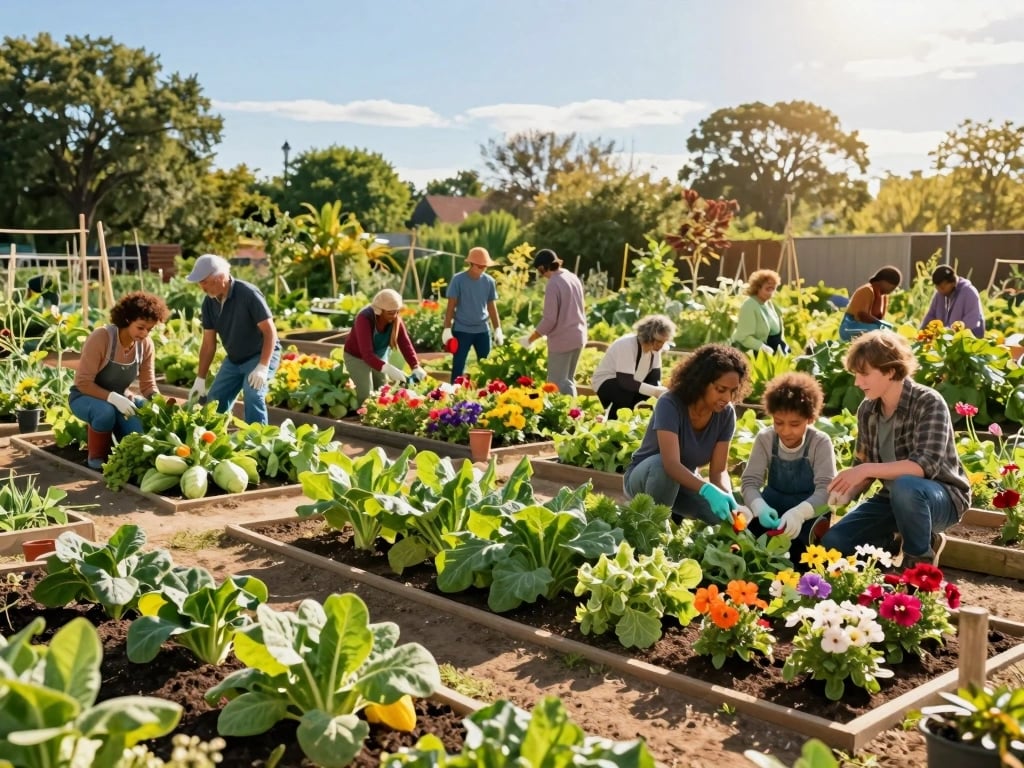
Understanding the Foundations of Mutual Aid Networks

Defining Mutual Aid in a Community Context
Mutual aid networks are grassroots, community-driven initiatives that foster collaboration and support among individuals for the purpose of meeting shared needs. Unlike traditional charity models, which often operate top-down and can create dependency, mutual aid emphasizes reciprocity and direct collaboration. At the heart of these networks is the belief that communities can better support one another through shared resources and collective action.
The idea of mutual aid can be traced back to various social movements throughout history, where communities have come together to provide for one another during times of crisis, economic hardship, or social injustice. Today, these networks have gained renewed attention, especially in the wake of global challenges such as the COVID-19 pandemic, which highlighted the importance of local support systems.
Key Principles of Mutual Aid Networks
- Voluntary Participation: Participation in mutual aid networks is voluntary and based on the mutual interests of community members.
- Reciprocity: The principle of giving and receiving is fundamental, where individuals contribute based on their abilities and receive help according to their needs.
- Self-Determination: Members of the network have the autonomy to identify their needs and decide how they wish to address them.
- Collective Decision-Making: Decisions regarding the management and operations of the network are made collectively, ensuring all voices are heard.
- Community Empowerment: The ultimate goal is to empower community members, strengthening their ability to meet their own needs without relying on external entities.
The Role of Trust and Reciprocity
Trust is the cornerstone of any successful mutual aid network. Building trust among participants fosters a sense of safety and encourages individuals to share their needs openly. This can be achieved through consistent communication, transparent processes, and by honoring commitments. For example, the Boston Mutual Aid Network has successfully built trust through regular community meetings where members share experiences and feedback, ensuring that everyone feels valued and heard.
Reciprocity goes hand-in-hand with trust. When members of a mutual aid network demonstrate their willingness to help others while also being open to receiving help, it creates a culture of mutual support. This dynamic can be seen in networks like Food Not Bombs, where individuals contribute food and resources while also benefiting from the collective effort to feed those in need.
Effective Communication Strategies for Mutual Aid Networks
Utilizing Digital Platforms for Coordination
In today’s digital age, utilizing online platforms is essential for the coordination of mutual aid networks. Tools such as Slack, Trello, and Google Groups can facilitate real-time communication, task assignments, and resource tracking. For example, the Chicago Mutual Aid Network uses WhatsApp groups to quickly share urgent needs and updates among members, enabling swift responses to community challenges.
Establishing Clear Communication Channels
Establishing clear communication channels is critical for ensuring that all members are informed and engaged. This can include regular newsletters, social media updates, and community bulletin boards. For instance, the Oakland Mutual Aid network sends out bi-weekly newsletters that highlight upcoming events, resource availability, and ways to get involved. By keeping the lines of communication open, networks can maintain momentum and foster a sense of belonging among participants.
Encouraging Open Feedback and Adaptation
Encouraging open feedback allows mutual aid networks to adapt and evolve based on the needs of the community. Creating a culture where members feel comfortable sharing their experiences, suggestions, and concerns helps identify areas for improvement. For example, the Los Angeles Mutual Aid network conducts quarterly surveys to gather feedback from participants, leading to adjustments in resource distribution and outreach strategies.
Building Inclusivity and Diversity in Participation
Identifying and Engaging Marginalized Groups
Effective mutual aid networks prioritize inclusivity by actively engaging marginalized groups within the community. This involves reaching out to individuals who may not typically participate in community initiatives due to barriers such as language, social stigma, or physical accessibility. For instance, the New York City Mutual Aid network has established partnerships with local organizations serving immigrant populations to ensure that their needs are represented and addressed.
Creating Safe Spaces for All Participants
Creating safe spaces is essential for fostering an environment where all community members feel welcome and valued. This can involve training volunteers on cultural competency, trauma-informed care, and anti-oppression practices. The Seattle Mutual Aid network has implemented regular workshops for participants to learn about inclusivity and respect for diverse identities, creating a more supportive atmosphere for everyone involved.
Promoting Language and Cultural Sensitivity
Language barriers can inhibit participation in mutual aid networks. Providing materials in multiple languages and having bilingual volunteers can help bridge these gaps. The San Francisco Mutual Aid network has successfully reached diverse communities by offering resources and support in Spanish, Mandarin, and Tagalog, ensuring that language does not prevent individuals from accessing vital assistance.
Resource Management and Allocation Best Practices
Assessing Community Needs and Resources
Effective resource management begins with a thorough assessment of community needs and available resources. Conducting surveys, holding community meetings, and collaborating with local organizations can provide valuable insights. For example, the Portland Mutual Aid network regularly assesses the needs of their community through direct outreach and feedback, ensuring that their resource allocation aligns with current demands.
Establishing Fair Distribution Mechanisms
Establishing fair and transparent distribution mechanisms is crucial for maintaining trust and efficiency within mutual aid networks. This can involve creating clear guidelines for how resources are distributed and ensuring that all members have equal access. The Atlanta Mutual Aid network utilizes a point system where members can request resources based on their needs, allowing for equitable distribution while minimizing potential conflicts.
Tracking and Reporting Resource Utilization
Tracking resource utilization is essential for evaluating the effectiveness of mutual aid efforts and ensuring accountability. Utilizing digital tools such as spreadsheets or management software can help monitor resource distribution and identify trends in community needs. The Philadelphia Mutual Aid network has implemented a tracking system that documents each request and fulfillment, allowing them to assess their impact and adapt strategies accordingly.
Sustaining Engagement and Long-term Viability
Creating Leadership Structures Within Networks
Creating leadership structures within mutual aid networks can help sustain engagement and ensure long-term viability. Leadership roles can be rotated among members to encourage diverse perspectives and prevent burnout. The Houston Mutual Aid network has implemented a rotating leadership model where different volunteers take the lead on various initiatives, fostering a sense of ownership and responsibility among participants.
Developing Training and Skill-Sharing Opportunities
Providing training and skill-sharing opportunities can enhance the capacity of mutual aid networks and empower participants. Workshops on topics such as crisis management, conflict resolution, and resource management can equip members with valuable skills. The Denver Mutual Aid network regularly hosts skill-sharing sessions, allowing members to learn from each other and strengthen their collective abilities.
Evaluating Impact and Adjusting Strategies
Regularly evaluating the impact of mutual aid initiatives is essential for continuous improvement. Utilizing metrics such as the number of individuals served, resources distributed, and participant feedback can help assess effectiveness. The Minneapolis Mutual Aid network conducts bi-annual evaluations to reflect on their successes and challenges, allowing them to adjust strategies and better serve their community in the future.