Understanding the Basics of Crowdfunding for Community Gardens
Defining Crowdfunding in the Context of Community Gardens
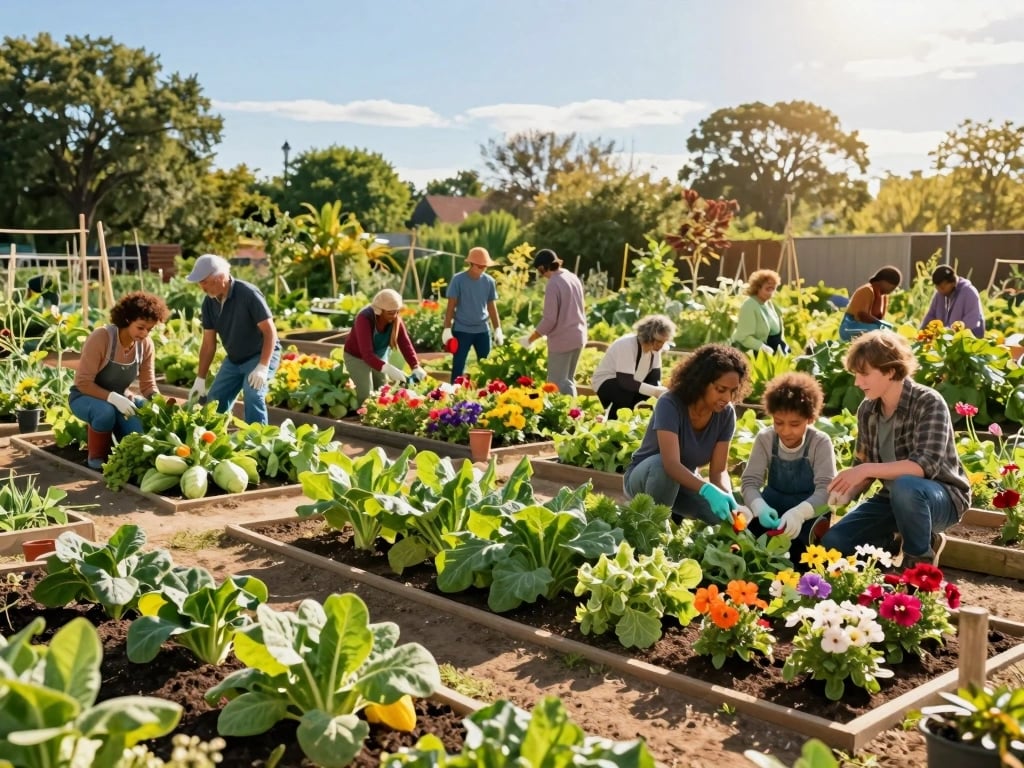
Crowdfunding is a method of raising funds from a large number of people, typically via the internet, to support a project. In the context of community gardens, it enables local residents to pool their resources to create and maintain a shared gardening space. This approach not only provides the necessary financial backing but also fosters a sense of community and shared responsibility among participants.
Exploring Different Crowdfunding Platforms
Several crowdfunding platforms cater specifically to community projects. Some popular options include:
- GoFundMe: A user-friendly platform that allows individuals to create campaigns for personal causes, including community gardens.
- Kickstarter: Ideal for projects with a clear end goal, where backers receive rewards based on their contribution levels.
- Indiegogo: Offers flexible funding options, allowing project creators to keep funds raised even if they don’t reach their goal.
- Patreon: Although primarily for ongoing projects, it can be useful for community gardens looking for recurring support.
Setting Realistic Financial Goals for Your Garden
Before launching a crowdfunding campaign, it’s crucial to establish clear and realistic financial goals. Consider factors such as:
- Initial Setup Costs: This includes soil, seeds, tools, fencing, and any necessary infrastructure like raised beds or irrigation systems. For example, a small community garden may require an initial investment of $3,000 to $5,000.
- Ongoing Maintenance: Budget for annual expenses such as seeds, fertilizers, and water. A typical community garden might incur around $500 to $1,000 annually for maintenance.
- Contingency Funds: It's prudent to set aside an additional 10-20% of your budget for unexpected costs.
Building a Strong Community Engagement Strategy
Identifying Key Stakeholders and Allies
Successful community gardens thrive on the support of key stakeholders. This includes:
- Local Residents: Engage neighbors and potential garden participants early in the process to build enthusiasm.
- Community Organizations: Partner with local NGOs, schools, and environmental groups that can provide resources or volunteers.
- Local Businesses: Approach nearby businesses for sponsorships or in-kind donations, such as tools, seeds, or gardening supplies.
Creating an Inclusive Outreach Plan
To encourage participation, develop an outreach plan that is inclusive and accessible. Consider the following strategies:
- Flyers and Notices: Distribute information in community centers, libraries, and local shops.
- Workshops and Events: Host initial meetings to introduce the concept and gather interest. Plan events that cater to families, schools, and diverse age groups.
- Language Accessibility: Ensure materials are available in multiple languages if your community is linguistically diverse.
Utilizing Social Media to Foster Community Support
Social media is a powerful tool for building community support. Utilize platforms such as Facebook, Instagram, and Twitter to:
- Share Updates: Post progress updates, gardening tips, and upcoming events to keep the community engaged.
- Highlight Contributors: Acknowledge donors and volunteers publicly to build a sense of ownership and pride.
- Create Events: Use social media to organize volunteer days, planting events, or harvest festivals, making it easy for community members to participate.
Designing a Sustainable Garden Plan
Choosing the Right Location and Space Requirements
The success of your community garden largely depends on its location. Consider the following factors when selecting a site:
- Accessibility: Ensure the garden is easily accessible to community members. A central location may encourage more participation.
- Sunlight and Water: Choose a site that receives adequate sunlight (at least 6-8 hours a day) and has access to water sources.
- Space Requirements: Plan for enough space to accommodate various plants, pathways, and communal areas. A typical community garden might range from 500 to 2,000 square feet.
Selecting Appropriate Plants and Gardening Techniques
Choosing the right plants and gardening techniques is essential for a thriving community garden. Consider:
- Native Plants: Select plants that are native to your region, as they are typically more resilient and require less maintenance.
- Companion Planting: Use companion planting techniques to enhance growth and deter pests. For example, planting marigolds with vegetables can help repel harmful insects.
- Raised Beds: If space allows, consider raised beds for easier maintenance and improved soil quality.
Implementing Eco-Friendly Practices for Sustainability
To ensure your community garden is environmentally sustainable, adopt eco-friendly practices such as:
- Organic Gardening: Use organic seeds and fertilizers to promote a healthier ecosystem.
- Composting: Set up a composting system to recycle kitchen and garden waste, enriching the soil.
- Water Conservation: Implement rainwater harvesting systems and drip irrigation to conserve water.
Managing Finances and Resources Effectively
Budgeting for Initial Setup and Ongoing Maintenance
Effective financial management is crucial for the sustainability of your community garden. Create a detailed budget that includes:
- Initial Setup Costs: Itemize all start-up expenses, including soil, tools, seeds, and infrastructure, and allocate funds accordingly.
- Recurring Costs: Plan for ongoing expenses like water bills, materials for maintenance, and seasonal planting costs.
- Emergency Funds: Maintain a reserve for unexpected expenses, ensuring the garden can weather unforeseen challenges.
Tracking Expenses and Income Transparently
Transparency in financial matters builds trust within the community. Use tools such as:
- Spreadsheets: Maintain a detailed spreadsheet to track all incoming funds and expenditures.
- Financial Reports: Prepare regular financial reports to share with stakeholders, detailing how funds are being utilized.
- Open Meetings: Hold periodic meetings to discuss financial updates and address any community concerns.
Identifying Additional Funding Sources and Grants
In addition to crowdfunding, explore other funding opportunities to support your garden:
- Community Grants: Research local and state grants specifically designed for community development or environmental projects.
- Corporate Sponsorships: Approach local businesses for sponsorship in exchange for advertising or recognition.
- Fundraising Events: Organize community events such as bake sales, plant sales, or workshops to raise additional funds.
Evaluating Success and Planning for the Future
Setting Measurable Goals and Milestones
To assess the success of your community garden, establish specific, measurable goals. Examples include:
- Crop Yield: Set targets for the amount of produce harvested each season.
- Community Participation: Aim for a specific number of active participants or volunteers, such as 50 regular volunteers within the first year.
- Educational Programs: Develop a set number of workshops or events to educate the community about gardening and sustainability.
Gathering Feedback from Community Members
Regular feedback from community members is essential for improvement. Utilize methods such as:
- Surveys: Conduct anonymous surveys to gather opinions on the garden's management, layout, and programming.
- Feedback Meetings: Host quarterly meetings to discuss successes, challenges, and gather ideas for future improvements.
- Suggestion Boxes: Place suggestion boxes at the garden site for ongoing feedback from visitors and participants.
Creating a Long-Term Vision for Growth and Impact
As your community garden matures, it's important to develop a long-term vision. Consider the following:
- Expansion Plans: Explore the possibility of expanding the garden or introducing new features, such as a composting area or a pollinator garden.
- Community Partnerships: Build relationships with local schools or organizations to create educational programs that benefit the wider community.
- Legacy Planning: Establish a plan for sustaining the garden in the long run, including leadership succession and ongoing funding strategies.
Running a crowdfunded community garden is a rewarding endeavor that not only enhances local green spaces but also fosters community spirit and engagement. By understanding the basics of crowdfunding, building strong community ties, designing sustainable practices, managing finances effectively, and planning for future growth, you can create a thriving garden that meets the needs of your community for years to come.