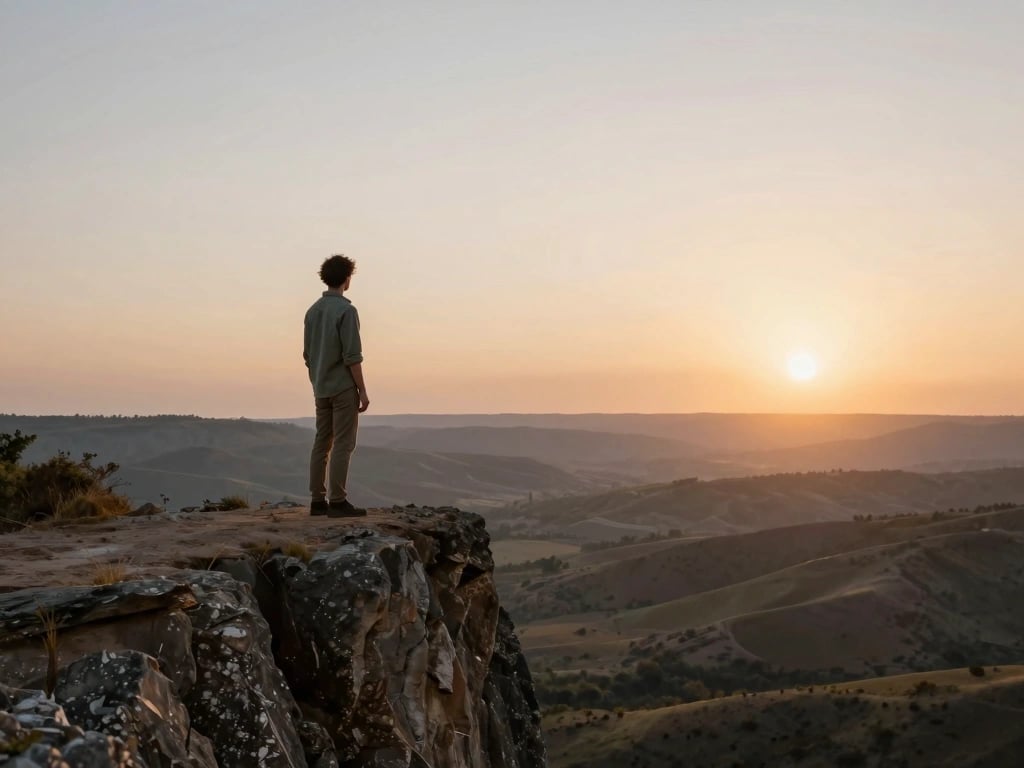
The Philosophy of Minimalist Budget Travel
Defining Minimalist Travel
Minimalist travel is not just about packing light; it’s a philosophy that encourages travelers to prioritize experiences over possessions. At its core, minimalist travel emphasizes simplicity, sustainability, and intentionality. By stripping away the unnecessary, travelers can focus on what truly matters: the journey itself. This approach allows for deeper connections with destinations and cultures, fostering a sense of fulfillment that material possessions often fail to provide.
Core Principles of Minimalism
Minimalism in travel revolves around several core principles:
- Simplicity: Reducing clutter in travel gear, planning, and even itinerary ensures a more relaxed and enjoyable experience.
- Sustainability: Choosing eco-friendly options and minimizing waste reflects a commitment to protecting the planet while exploring.
- Intentionality: Every decision, from packing to activities, should be made with purpose and alignment with personal values.
- Connection: Emphasizing relationships over material goods encourages more authentic interactions with locals and fellow travelers.
The Importance of Intentionality
Intentionality is a cornerstone of minimalist budget travel. When travelers approach their journeys with clear intentions, they make choices that enhance their experiences. This means selecting destinations that resonate with their values, engaging in activities that align with their interests, and being mindful of their impact on the environment and local communities. For instance, instead of hopping from one tourist trap to another, a minimalist traveler might choose to spend more time in a single location, allowing for deeper exploration and connection.
Preparing for Your Minimalist Journey
Essential Packing Strategies
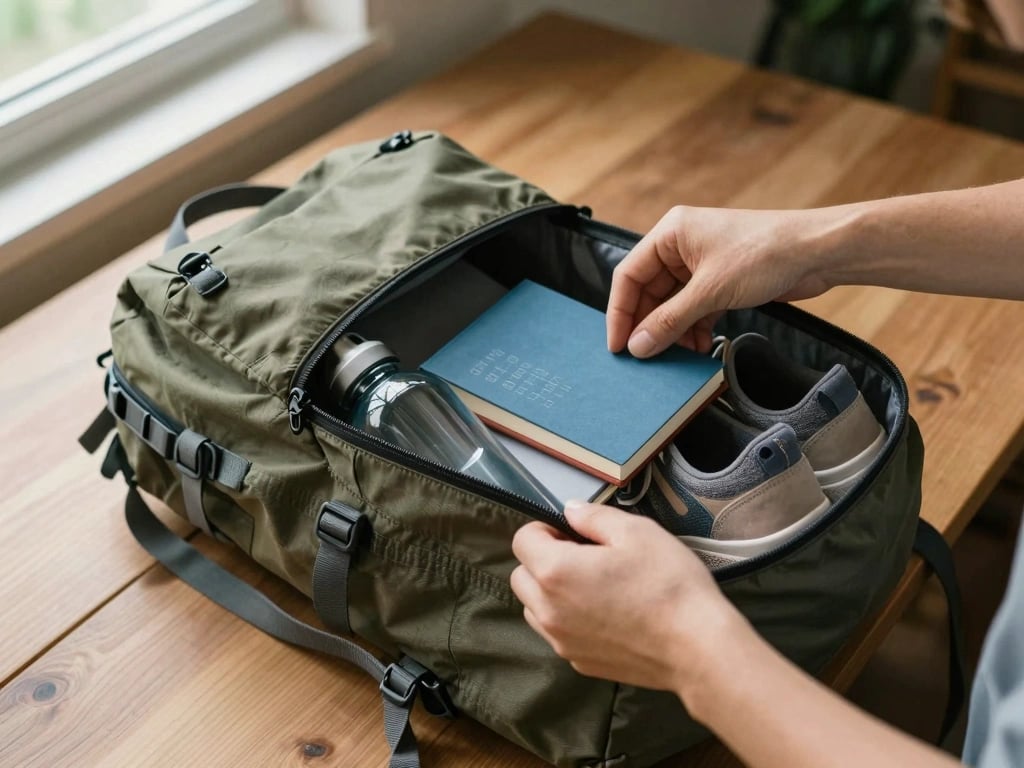
Packing is a critical component of minimalist travel. The goal is to bring only what is necessary and to ensure that every item serves multiple purposes. Here are some strategies:
- Choose a capsule wardrobe: Select versatile clothing items that can be mixed and matched. This might include two pairs of pants, three tops, and a lightweight jacket, all in neutral colors that coordinate well.
- Prioritize lightweight gear: Invest in quality, lightweight travel gear. Brands like Osprey and Patagonia offer durable, multifunctional backpacks that can hold everything you need without weighing you down.
- Limit toiletries: Opt for solid toiletries (like shampoo bars and solid soap) to reduce weight and avoid liquid restrictions at airports.
Budgeting with Minimalism in Mind
Minimalist budget travel requires a thoughtful approach to budgeting, ensuring that resources are allocated wisely. Here’s how to create a minimalist budget:
- Set a clear budget: Determine how much you can afford to spend on your trip, including transportation, accommodation, food, and activities.
- Prioritize experiences over luxuries: Allocate funds for local experiences, such as cooking classes or guided hikes, rather than expensive hotel stays.
- Use budgeting apps: Tools like Trail Wallet or Mint can help track expenses in real-time, ensuring you stay within budget while traveling.
Choosing Destinations that Align with Minimalism
Selecting the right destinations is crucial for a minimalist travel experience. Look for places that offer rich experiences without the trappings of mass tourism. Consider the following:
- Off-the-beaten-path locations: Instead of popular tourist destinations, explore lesser-known areas that provide authentic cultural experiences. For example, instead of Paris, consider exploring the charming villages of the French countryside.
- Eco-conscious destinations: Look for places that prioritize sustainability, such as Costa Rica or Bhutan, where eco-tourism is at the forefront.
- Local immersion: Choose destinations that encourage interactions with local communities, such as volunteering opportunities or homestays.
Traveling Light: Tips and Tricks
Choosing Versatile Clothing
When packing for minimalist travel, choosing versatile clothing is essential. Opt for items that can be worn in multiple settings. For example:
- A lightweight dress can be dressed up for a night out or used as a cover-up at the beach.
- Quick-dry, breathable fabrics are ideal for both casual and outdoor activities.
- Layering is key; a good quality fleece or sweater can be worn over a t-shirt during the day and kept handy for cooler evenings.
The Art of Packing Cubes
Packing cubes can revolutionize how you pack and travel. They help keep your suitcase organized, making it easier to find what you need without unpacking everything. Here’s how to use them effectively:
- Organize by category: Use different cubes for clothing, toiletries, and electronics.
- Maximize space: Roll your clothes instead of folding them to save space and minimize wrinkles.
- Color-code: If you have multiple travelers in your group, assign different colored cubes to each person to make identifying belongings easier.
Making Use of Digital Resources
In the digital age, utilizing technology can enhance your minimalist travel experience. Here are some ways to leverage digital resources:
- Travel apps: Use apps like Google Maps for navigation, Airbnb for accommodation, and Yelp for restaurant recommendations to save time and money.
- Digital guides: Instead of heavy guidebooks, download e-books or apps that provide local insights and tips.
- Stay connected: Use a travel SIM card or portable Wi-Fi device to ensure you have internet access for navigation and communication.
Experiencing Local Culture with a Minimalist Approach
Prioritizing Authentic Experiences
Minimalist travel is about immersing oneself in the local culture rather than merely checking off tourist attractions. Here’s how to prioritize authenticity:
- Seek out local events: Research festivals, farmers’ markets, or cultural performances that allow you to experience the local way of life.
- Take part in workshops: Engage in hands-on experiences, such as pottery classes or cooking lessons, to connect more deeply with the culture.
- Eat where the locals eat: Dine at locally-owned restaurants or food stalls rather than tourist traps to truly savor the flavors of the region.
Engaging with Local Communities
Building connections with local communities enriches your travel experience and fosters a sense of belonging. Here are ways to engage:
- Volunteer: Consider short-term volunteer opportunities that allow you to give back while learning about the community.
- Participate in community events: Join community gatherings or workshops that invite travelers to participate in local traditions.
- Use public transportation: Opt for buses or trains instead of taxis or rental cars to interact with locals and gain insight into their daily lives.
Mindful Consumption While Traveling
Minimalist travelers are conscious of their consumption patterns, striving to minimize waste and support local economies. Here are some tips:
- Buy local: Purchase handmade goods or locally-produced food items to support artisans and farmers.
- Reduce plastic use: Bring reusable bags, water bottles, and utensils to limit your ecological footprint.
- Practice mindful spending: Assess whether a purchase is truly necessary or if it merely adds clutter to your travels.
Reflecting on Minimalist Travels
Documenting Your Journey
Keeping a travel journal or creating a digital scrapbook can help you reflect on your minimalist travels. Here are some ideas:
- Daily reflections: Write about your experiences each day, focusing on what you learned and how you felt.
- Photography: Capture moments that resonate with you, emphasizing experiences rather than sights.
- Blogging or vlogging: Share your minimalist travel journey with others, which can also help you process your experiences.
Lessons Learned from Minimalist Travel
Traveling with a minimalist mindset often leads to valuable insights. Common lessons include:
- The value of experiences over possessions: Many travelers find that the memories created during their journeys far outweigh any material goods.
- The joy of simplicity: Living with less can lead to greater appreciation for what you have and a clearer understanding of your priorities.
- Enhanced adaptability: Minimalist travelers often become more flexible and open to change, embracing the unexpected during their journeys.
Incorporating Minimalism into Everyday Life Post-Travel
Returning from a minimalist journey often inspires changes in everyday life. Here’s how to maintain that minimalist mindset:
- Declutter regularly: Adopt a routine of decluttering your home, getting rid of items that no longer serve a purpose.
- Mindful consumption: Approach purchases with intention, asking yourself if the item will truly add value to your life.
- Prioritize experiences: Continue to seek out experiences that bring joy and fulfillment, whether through travel or local activities.