
The Historical Roots of Slow Living
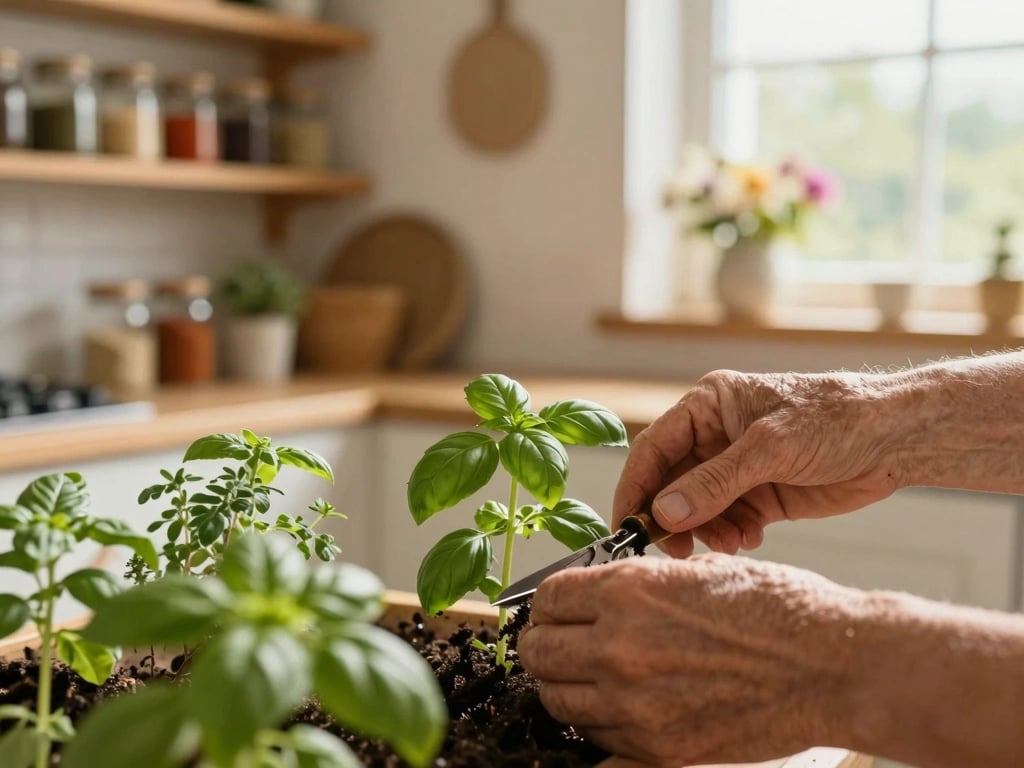
The concept of slow living has gained considerable traction in recent years, yet its origins can be traced back to various historical movements and philosophies. Understanding these roots provides a deeper appreciation of what slow living embodies and how it can be integrated into our daily lives.
Influences from the Arts and Crafts Movement
The Arts and Crafts Movement, which flourished in the late 19th century, emphasizes the value of handmade goods, craftsmanship, and the aesthetic quality of everyday items. Originating in Britain, this movement was a direct response to the industrial revolution and the mass production of goods that resulted in a disconnect between people and their environment. Prominent figures such as William Morris advocated for a return to traditional craftsmanship, suggesting that the act of making something with one’s own hands instills a sense of purpose and fulfillment. This philosophy laid the groundwork for slow living by promoting quality over quantity and encouraging individuals to appreciate the beauty in simplicity.
The Italian Slow Food Movement
In the 1980s, the Italian Slow Food Movement emerged as a direct response to the fast-food culture that was rapidly spreading across the globe. Founded by Carlo Petrini in Bra, Italy, the movement aims to preserve regional cuisine and promote sustainable, local farming practices. Slow Food emphasizes the importance of taking time to enjoy meals, understanding where food comes from, and appreciating the rituals of cooking and eating. This movement not only highlights the value of food in our lives but also serves as a catalyst for the broader slow living philosophy, encouraging individuals to savor experiences rather than rush through them.
Philosophical Foundations: Mindfulness and Simplicity
Slow living is deeply rooted in the ideas of mindfulness and simplicity, both of which have been practiced for centuries. Mindfulness, derived from Buddhist teachings, encourages individuals to live in the present moment and cultivate awareness of their thoughts, feelings, and surroundings. This focus on presence fosters a greater appreciation for life’s simple pleasures, such as a warm cup of tea or a leisurely walk in nature. Simplicity, on the other hand, promotes the idea of decluttering not just physical spaces but also mental and emotional landscapes. Together, these philosophies form the backbone of slow living, urging individuals to prioritize what truly matters in their lives.
The Role of Modernity in the Emergence of Slow Living
The fast-paced, technology-driven world we inhabit today has made slow living increasingly relevant. The challenges posed by modernity have prompted many to reconsider their lifestyles and seek a more balanced existence.
Technology and Its Impact on Lifestyle Choices
With the rise of smartphones, social media, and instant communication, our lives have become more hectic than ever. Studies indicate that people spend an average of 3 hours and 15 minutes on their phones daily, often multitasking and dividing their attention among various tasks. This constant connectivity can lead to stress, burnout, and a sense of disconnection from the present moment. Slow living advocates for a deliberate reduction in screen time and an increase in face-to-face interactions, fostering genuine connections and experiences. By practicing digital detoxes, such as designated tech-free hours or days, individuals can reclaim their time and focus on what brings them joy.
The Reaction Against Consumerism
Modern consumerism promotes the idea that happiness can be purchased, leading to a cycle of constant desire for more. In contrast, slow living encourages individuals to embrace minimalism and intentional consumption. The minimalism movement, popularized by figures like Marie Kondo, emphasizes decluttering and keeping only those items that spark joy. This shift in perspective not only reduces physical clutter but also encourages a more mindful approach to purchasing decisions, promoting sustainable practices and reducing waste. Adopting a slow living mindset allows individuals to break free from the chains of consumerism, fostering a deeper connection to their possessions and the environment.
Globalization and the Quest for Authenticity
In our increasingly globalized world, many individuals find themselves yearning for authenticity amidst the homogenization of cultures. The slow living movement offers a path toward rediscovering local traditions, artisanal crafts, and authentic experiences. For instance, traveling slowly—immersing oneself in a new culture rather than rushing through a checklist of tourist attractions—allows for meaningful connections with local people and customs. This quest for authenticity encourages individuals to appreciate the richness of diverse cultures and the stories behind them, reinforcing the principles of slow living.
Core Principles of Slow Living
At the heart of the slow living movement are several core principles that guide individuals toward a more intentional and fulfilling lifestyle.
Mindfulness and Presence in Everyday Life
Mindfulness is a cornerstone of slow living, promoting the practice of being fully present in each moment. This can be achieved through various techniques, such as meditation, deep breathing exercises, or simply taking a few moments to observe one’s surroundings. By cultivating mindfulness, individuals can reduce stress and enhance their overall well-being. For example, dedicating just 10 minutes each day to mindful breathing can significantly improve mental clarity and emotional resilience.
Emphasis on Quality Over Quantity
Slow living advocates for a focus on quality in all aspects of life, from relationships to consumer choices. This principle encourages individuals to prioritize meaningful connections over superficial interactions and to invest in high-quality, sustainable products rather than fast fashion or disposable goods. For instance, choosing to buy a few ethically made clothing items that will last for years instead of filling one’s wardrobe with cheaper, lower-quality alternatives embodies this principle. The goal is to create a life that is rich in experiences and genuine connections rather than one cluttered with excess.
Connection with Nature and Sustainability
Slow living promotes a deep connection with nature and advocates for sustainable practices that protect the environment. This can manifest in various ways, such as gardening, engaging in outdoor activities, or supporting local farmers and artisans. For example, starting a small vegetable garden not only provides fresh produce but also fosters a connection to the earth and a greater appreciation for the food we consume. By choosing sustainable products, reducing waste, and embracing eco-friendly practices, individuals can contribute to a healthier planet while enhancing their own quality of life.
Practical Tips for Incorporating Slow Living into Daily Routines
Integrating slow living into daily routines does not have to be overwhelming; small, intentional changes can lead to profound shifts in lifestyle.
Creating a Morning Ritual for a Slow Start
Establishing a morning ritual can set a positive tone for the day, allowing individuals to start with intention and mindfulness. This could include activities such as journaling, stretching, or enjoying a cup of tea while reflecting on the day ahead. For instance, dedicating 15 minutes each morning to sit quietly with a warm beverage can create a peaceful mindset, fostering a sense of calm and clarity before the day’s demands begin.
Mindful Eating Practices for Meals
Mindful eating involves savoring each bite, paying attention to flavors, textures, and the experience of eating itself. This practice encourages individuals to slow down during meals, creating a deeper appreciation for food and its origins. Implementing mindful eating could involve turning off screens during meals, taking a moment to express gratitude for the food, and chewing slowly to fully enjoy each bite. Research shows that mindful eating can lead to healthier eating habits and improved digestion, making it a valuable practice for overall well-being.
Setting Boundaries to Reduce Overcommitment
In a fast-paced world, it’s easy to overcommit and spread oneself too thin. Slow living encourages individuals to set boundaries that protect their time and energy. This could mean learning to say no to social obligations that don’t align with one’s values, prioritizing self-care, and carving out time for rest and reflection. For example, blocking out time on the calendar for personal activities, such as reading or nature walks, can ensure that individuals remain grounded and connected to themselves amidst the busyness of life.
Building a Community Around Slow Living
One of the most rewarding aspects of slow living is the sense of community it fosters. Connecting with like-minded individuals can provide support, inspiration, and shared experiences.
Finding and Joining Local Slow Living Groups
Many cities and towns have local groups dedicated to the principles of slow living. Joining these groups can provide opportunities to engage in community events, workshops, and discussions centered around mindful practices. For instance, participating in a local gardening club or a book group focused on mindfulness literature can deepen connections with others who share similar values. Websites like Meetup often feature slow living groups, allowing individuals to find and connect with their local community.
Sharing Experiences Through Social Media
Social media can be a powerful tool for fostering a sense of community around slow living. Platforms like Instagram and Facebook feature numerous groups and hashtags dedicated to slow living, where individuals share their experiences, tips, and inspirations. Engaging with these communities can provide motivation and encouragement, helping individuals stay committed to their slow living journey. For example, following accounts that focus on slow living principles can offer daily reminders to prioritize mindfulness and intentionality.
Hosting Slow Living Events and Workshops
To further cultivate a sense of community, individuals can host events or workshops focused on slow living principles. This could include organizing a potluck dinner, a nature walk, or a DIY craft session that emphasizes the value of handmade goods. Such gatherings not only provide opportunities for connection but also allow individuals to share their knowledge and experiences, fostering a deeper understanding of slow living practices within the community. For instance, hosting a workshop on seasonal cooking can encourage participants to appreciate local ingredients and the art of preparing meals with intention.
In conclusion, slow living is a multifaceted movement rooted in history, philosophy, and a response to modernity. By understanding its origins and embracing its core principles, individuals can cultivate a more intentional and fulfilling life. Incorporating slow living practices into daily routines and building a supportive community can lead to profound personal growth and a deeper connection to the world around us. In a society that often glorifies speed and consumption, slow living offers a refreshing alternative that prioritizes quality, mindfulness, and authenticity.