Choosing the Right Tools for Birding
Essential Birding Equipment
Starting your backyard birding life list requires a few essential tools that can enhance your experience and help you identify various bird species. Here are some must-have items:
- Binoculars: A good pair of binoculars is crucial for bird watching. Look for binoculars with at least 8x magnification and a wide field of view. The Nikon Monarch 5 (8x42) is a popular choice among birders for its clarity and durability.
- Notebook and Pen: Keeping a physical record of your sightings is important. Use a waterproof notebook to prevent your recordings from getting ruined in the weather.
- Camera: While not essential, a camera can help you capture images of the birds you spot. A digital SLR or a mirrorless camera with a good zoom lens will allow you to take detailed photos.
Recommended Field Guides
Field guides are invaluable for identifying bird species. Here are some recommendations:
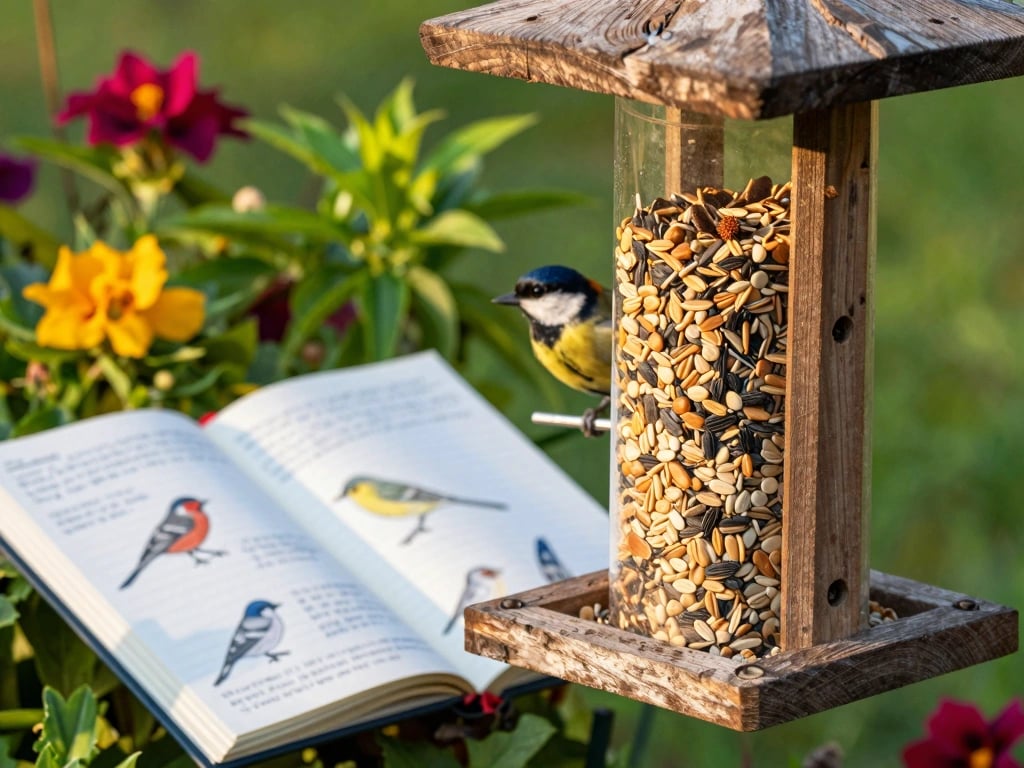
- The Sibley Guide to Birds: This comprehensive guide covers North American birds and includes illustrations, habitat information, and vocalizations.
- Peterson Field Guide to Birds: A classic in the birding community, this guide uses a unique identification system and includes range maps for each species.
- National Geographic Field Guide to Birds: Renowned for its detailed illustrations and comprehensive species accounts, this guide is perfect for beginner and experienced birders alike.
Using Birding Apps for Identification
In today's digital age, mobile apps can significantly enhance your birding experience. Some popular birding apps include:
- Merlin Bird ID: Created by the Cornell Lab of Ornithology, this app helps users identify birds based on their location, size, and color.
- Birds of North America: This app provides detailed information on over 900 species, including audio of their calls and songs.
- eBird: Also by the Cornell Lab, this app allows you to track your sightings and contribute to citizen science initiatives by recording bird populations.
Creating a Bird-Friendly Backyard
Choosing the Right Plants and Flowers
A bird-friendly backyard starts with the right plants. Native plants are particularly beneficial as they provide food and shelter for local bird species. Consider incorporating:
- Flowering Plants: Plants like coneflowers, sunflowers, and black-eyed Susans attract insects, which are a crucial food source for many birds.
- Fruit-Bearing Shrubs: Blueberries, serviceberries, and elderberries can provide birds with tasty treats throughout the seasons.
- Evergreens: Trees such as pines and spruces offer year-round shelter and nesting sites for various species.
Setting Up Feeders and Baths
Feeders and baths are essential components of a bird-friendly backyard. Here are tips for setting them up:
- Types of Feeders: Use tube feeders for finches, platform feeders for ground-feeding birds, and suet feeders for woodpeckers and nuthatches.
- Seed Selection: Black oil sunflower seeds are a crowd favorite among many species, while nyjer seeds are perfect for finches.
- Bird Baths: A shallow bird bath with a gentle slope is ideal. Ensure it is regularly cleaned and filled with fresh water.
Providing Shelter and Nesting Options
To attract more birds, offer shelter and nesting options:
- Nesting Boxes: Install birdhouses for species like bluebirds, chickadees, and wrens. Be sure to research the appropriate size and entrance hole dimensions for the species you wish to attract.
- Brush Piles: Create brush piles with fallen branches and twigs. These provide excellent shelter for birds and can attract ground-dwelling species.
- Maintain Natural Areas: Allow parts of your yard to grow wild. Tall grasses and native shrubs can provide cover and foraging opportunities.
Starting Your Birding Life List
How to Record Your Sightings
Starting your life list can be a thrilling experience. Here’s how to effectively record your bird sightings:
- Date and Time: Always note when you saw the bird, as this can help track migration patterns and seasonal visitors.
- Location: Include specific details about where you spotted the bird. This could be your backyard, a local park, or a nature reserve.
- Species Identification: Write down the species name. Using field guides and apps can help ensure accuracy.
- Notes: Include any interesting behaviors or characteristics you observed, such as feeding habits or interactions with other birds.
Tips for Organizing Your List
Keeping your life list organized will make it easier to manage and review:
- Digital vs. Physical Lists: You can maintain a digital list using apps like eBird or a simple spreadsheet, or go old-school with a dedicated notebook.
- Sort by Date or Species: Depending on your preference, you can organize your list chronologically or taxonomically (by species).
- Include a Checklist: Consider creating a checklist of species you hope to see, which can help set goals for your birding adventures.
Setting Personal Goals and Milestones
Setting goals can motivate you to explore and expand your birding horizons:
- Species Count Goals: Start with an achievable goal, such as seeing 50 different species in your first year.
- Seasonal Goals: Aim to identify new species with each season, as different birds may visit your backyard throughout the year.
- Challenge Yourself: Participate in local birding competitions or challenges to push your limits and meet fellow enthusiasts.
Engaging with the Birding Community
Joining Local Birding Groups
Connecting with other birders can enhance your experience and knowledge:
- Local Audubon Society: Many communities have local chapters of the Audubon Society, which offer events, workshops, and field trips.
- Birding Clubs: Look for local birding clubs on social media or community boards. They often organize outings and provide a platform for sharing sightings.
- Meetup Groups: Platforms like Meetup can help you find other birders in your area, allowing you to join group outings and share experiences.
Participating in Bird Counts and Events
Annual events and bird counts are great opportunities to engage with the community:
- Christmas Bird Count: This citizen science project invites birders to count all the birds they see in a designated area during a specific day in December.
- Great Backyard Bird Count: Conducted over a weekend in February, this event encourages participants to record their backyard bird sightings and submit data.
- Local Birding Festivals: Many regions host birding festivals that feature workshops, guided walks, and opportunities to meet other birders.
Sharing Your Observations Online
Sharing your birding experiences can foster connections and inspire others:
- Social Media: Join birding groups on platforms like Facebook or Instagram to share your sightings and learn from others.
- Blogging: Consider starting a blog to document your birding journey. This can be a great way to engage with a wider audience and share your insights.
- eBird Submissions: Utilize the eBird platform to submit your sightings, contributing to a larger database used by researchers and conservationists.
Expanding Your Backyard Birding Experience
Seasonal Bird Watching Tips
Each season brings different bird species to your backyard. Here are some tips for maximizing your birding experience throughout the year:
- Spring: This is the prime time for migration. Set up feeders stocked with high-energy foods like suet and sunflower seeds to attract migrating birds.
- Summer: Focus on nesting birds. Observe behaviors and listen for songs as birds establish territories.
- Fall: Prepare for migratory species as they pass through. Keep feeders full and look for flocks of migrating birds.
- Winter: Provide high-calorie foods and open water sources to attract birds seeking sustenance during colder months.
Exploring Nearby Habitats
While your backyard is a fantastic place to start, expanding your exploration can enhance your birding experience:
- Parks and Nature Reserves: Visit local parks or nature reserves, as they often host a wider variety of species than a residential area.
- Wetlands and Lakes: Water bodies attract many birds, including shorebirds and waterfowl. Bring your binoculars and a field guide to identify them.
- Forests and Woodlands: These habitats can provide different species than open areas. Look for woodpeckers, warblers, and other forest-dwelling birds.
Traveling for Birding: Local Hotspots
If you're looking to expand your birding horizons, consider traveling to local hotspots known for their bird populations:
- Birding Trails: Many regions have established birding trails. Research these trails in your area and plan visits to them.
- National Parks: Parks like Yellowstone or Everglades are renowned for their biodiversity and offer excellent birding opportunities.
- Birding Festivals: Plan trips around birding festivals in different regions to meet other enthusiasts and explore new areas.