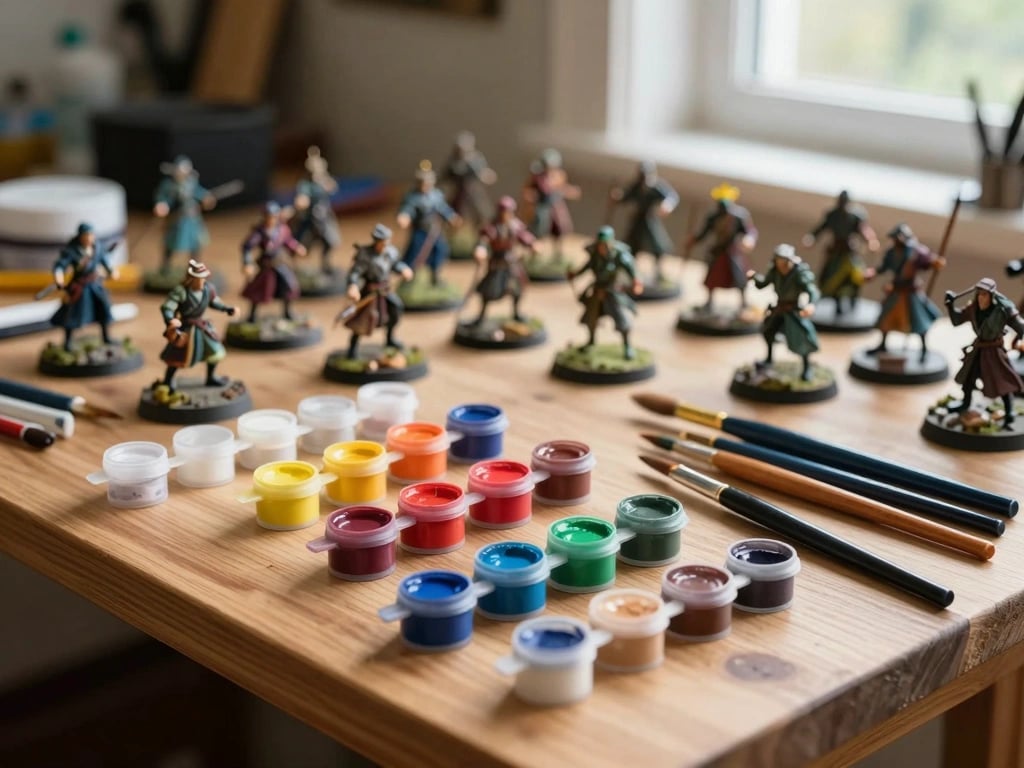
Understanding the Essential Materials for Miniature Painting
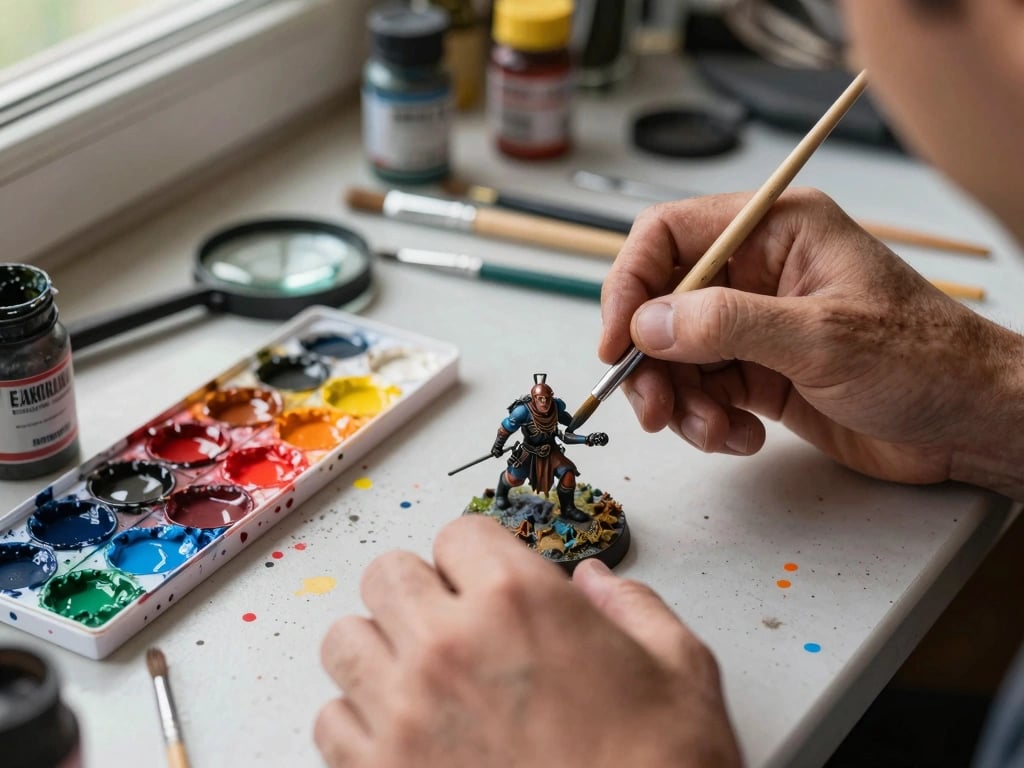
When it comes to miniature wargaming, the quality of your painting materials can significantly impact the final results. Whether you're painting intricate details on a character model or creating textured terrain, knowing what materials to source is crucial. In this section, we’ll cover the essential materials that every miniature painter should consider.
Types of Paints Used in Miniature Wargaming
The range of paints available for miniature painting is vast, and understanding the different types can help you make informed decisions. The primary categories include:
- Acrylic Paints: Water-based acrylics are the most widely used due to their quick drying time, ease of use, and vibrant colors. Brands like Citadel, Vallejo, and Army Painter offer specific lines for miniatures.
- Enamel Paints: These paints provide a durable finish that is resistant to wear. However, they require solvents for thinning and cleaning, making them less convenient for beginners. Testors is a popular brand in this category.
- Oil Paints: Although not as common for miniatures, oil paints can be used for certain techniques like glazing. They have a longer drying time, allowing for excellent blending but require a different approach.
Each type of paint serves a unique purpose, and many painters opt for a combination of these to achieve desired effects. For instance, using acrylics for base coats and enamels for detailed highlights can yield stunning results.
Brush Selection for Detailed Work
Brushes are an essential tool for any miniature painter, and selecting the right brushes can greatly affect your painting precision. Consider the following types:
- Tipped Brushes: These are ideal for fine details. A size 00 or 000 brush from brands like Winsor & Newton or Raphael is perfect for intricate work.
- Flat Brushes: Useful for coverage and base coating, flat brushes come in various sizes and can speed up the painting process.
- Dry Brushes: These are specifically designed for dry brushing techniques, where a minimal amount of paint is applied to create texture.
Investing in a good set of brushes is essential, as they can significantly affect the smoothness of your paint application and the overall quality of your miniatures.
Primers and Varnishes: Importance and Options
Primers and varnishes are critical components in the miniature painting process. Primers prepare the surface for painting, while varnishes protect the final piece.
- Primers: A good primer will help the paint adhere better to the miniature and can provide a uniform surface. Brands like Citadel and Tamiya offer sprays that are well-regarded in the community. A grey or white primer is generally recommended for most miniatures.
- Varnishes: These come in matte, satin, and gloss finishes, allowing painters to choose the finish they desire. A matte varnish is often preferred for tabletop miniatures to reduce glare and enhance detail visibility. Testors Dullcote is a favorite among many painters.
Proper use of primers and varnishes can enhance the longevity and appearance of your miniatures, making them look professional and well-finished.
Where to Find Quality Materials for Miniature Painting
Sourcing quality materials is a vital step for any miniature painter. Here, we will explore various venues for obtaining your painting supplies.
Local Hobby Shops: Benefits and Limitations
Local hobby shops can be treasure troves for miniature painters looking to source materials. Benefits of shopping locally include:
- Immediate Availability: You can walk in and purchase what you need without waiting for shipping.
- Expert Advice: Shop owners and staff are often knowledgeable and can provide recommendations based on your specific needs.
- Community Interaction: Many local shops host events or game nights, allowing you to connect with fellow enthusiasts.
However, limitations exist as well:
- Higher Prices: Local shops may charge more than online retailers due to overhead costs.
- Limited Selection: Not all shops carry every brand or product, which could limit your choices.
Despite these limitations, local hobby shops can provide invaluable resources and community connections.
Online Retailers: Comparing Prices and Quality
Online retailers have become a popular option for sourcing miniature painting materials. They offer a wider selection and often competitive pricing. Consider the following:
- Specialized Retailers: Websites focused on wargaming and miniatures like Miniature Market or Element Games frequently have sales and an extensive selection.
- General Retailers: Platforms like Amazon or eBay can also be good sources, especially for bulk orders or hard-to-find items.
- Shipping Costs: While online shopping can save money, be mindful of shipping fees that can add up, especially for international orders.
Always read reviews and check ratings when selecting online retailers to ensure quality products.
Second-Hand Sources: Thrift Stores and Auctions
Sourcing materials second-hand can be a cost-effective method for building your painting supplies. Consider:
- Thrift Stores: Occasionally, you'll find hidden gems such as paint sets or brushes being sold for a fraction of the original price.
- Auctions and Estate Sales: These can be excellent opportunities to acquire larger lots of paints, brushes, or even miniatures that someone is looking to sell off.
- Online Marketplaces: Websites like Facebook Marketplace or local classifieds can provide options for finding used painting materials.
While buying second-hand can require more effort and patience, the savings can be well worth it.
Building Your Own Miniature Painting Setup
Creating a dedicated painting setup can enhance your painting experience and the quality of your work. Here are some essential elements to consider.
Essential Tools and Equipment for Home Setup
To start painting miniatures effectively at home, certain tools and equipment are necessary:
- Painting Table: A sturdy table will provide a stable surface for your work. Consider one with a comfortable height to avoid strain.
- Palette: A wet palette can keep your paints from drying out quickly, allowing for longer painting sessions. You can use a simple plastic container with a damp sponge and parchment paper.
- Water Pot: Keep a dedicated container for rinsing brushes, ideally with a lid to prevent spills.
- Paper Towels: Essential for cleaning brushes and managing paint application.
These tools create a solid foundation for your painting activities and ensure that you have everything at hand.
Creating a Dedicated Painting Space
Having a specific area for painting can greatly improve your workflow and focus. Consider the following when creating your space:
- Organization: Use shelves or storage bins to keep your paints, brushes, and tools organized and easily accessible.
- Personal Touches: Decorate the area with inspiring artwork or models to create an inviting atmosphere.
- Minimize Distractions: Choose a quiet area away from high traffic to help you concentrate on your painting.
A dedicated painting space can boost your creativity and efficiency.
Lighting and Ergonomics for Optimal Painting
Proper lighting and ergonomic setup are crucial for long painting sessions. Consider these tips:
- Natural Light: Whenever possible, position your painting area near a window to take advantage of natural daylight.
- Task Lighting: Use an adjustable desk lamp with a daylight bulb to illuminate your workspace without causing glare.
- Ergonomics: Ensure your chair and table height are adjusted to maintain comfort and prevent strain during long painting sessions.
Optimal lighting and ergonomic setup can prevent fatigue and enhance the quality of your work.
Utilizing Community Resources for Material Sourcing
Getting involved in the wargaming community can provide access to valuable resources for sourcing materials. Here’s how you can leverage community connections.
Joining Local Wargaming Clubs and Communities
Local wargaming clubs can be a fantastic resource for sourcing materials. Here are some benefits:
- Group Purchases: Clubs often organize bulk purchases, allowing members to save on costs.
- Material Sharing: Members sometimes lend or give away surplus paints or tools.
- Networking Opportunities: Meeting fellow painters can lead to discovering local shops or secret sources for materials.
Joining a club can foster camaraderie while providing you with material sourcing opportunities.
Participating in Painting Workshops and Events
Workshops and painting events can also enhance your sourcing strategy:
- Skill Development: Workshops often provide hands-on experience and recommendations for materials that work best for certain techniques.
- Vendor Access: Many events feature vendors selling materials, sometimes at discounted rates.
- Community Exchange: Events often foster a spirit of sharing, where you might find someone willing to sell or trade materials.
Active participation in these events can broaden your network and material access significantly.
Online Forums and Social Media Groups for Material Exchange
The internet provides numerous platforms for connecting with fellow hobbyists. Consider:
- Facebook Groups: Many groups focus on miniature painting, where members often sell or trade materials.
- Reddit Communities: Subreddits like r/minipainting provide spaces for discussions and material exchanges.
- Dedicated Forums: Websites like DakkaDakka or CoolMiniOrNot often have classifieds sections for buying and selling.
Engaging with online communities can provide access to unique materials and offers.
Tips for Maintaining and Organizing Your Painting Materials
Once you’ve sourced your materials, maintaining and organizing them is key to ensuring longevity and efficiency. Here are some tips to consider.
Storage Solutions for Paints and Tools
Proper storage is essential for maintaining the quality of your painting materials:
- Paint Racks: Consider investing in or building a paint rack to keep your paints organized and easily accessible.
- Toolboxes: Use toolboxes or tackle boxes to store brushes and tools, keeping them safe and organized.
- Labeling: Label your storage containers to make it easy to find specific colors or tools at a glance.
Effective storage solutions can save time and protect your investment in materials.
Best Practices for Material Care and Longevity
Taking care of your materials can greatly extend their life:
- Cleaning Brushes: Always clean your brushes immediately after use with warm water and soap to avoid paint buildup.
- Sealing Paints: Keep paint lids tightly closed when not in use to prevent drying out.
- Storing Properly: Store paints in a cool, dry place, away from direct sunlight to maintain their quality.
Regular maintenance will ensure that your materials perform well for years to come.
Inventory Management for Efficient Sourcing
Keeping track of your materials can simplify the sourcing process:
- Inventory Lists: Create a list of paints and tools you own and their quantities to avoid duplicate purchases.
- Tracking Usage: Note which paints are used most frequently and restock accordingly.
- Budgeting: Maintain a budget for materials to avoid overspending while ensuring you have what you need.
An organized inventory can streamline your sourcing efforts and improve your overall painting experience.