Initial Purchase Costs: Heat Pumps vs. Furnaces
Average Cost of Heat Pumps
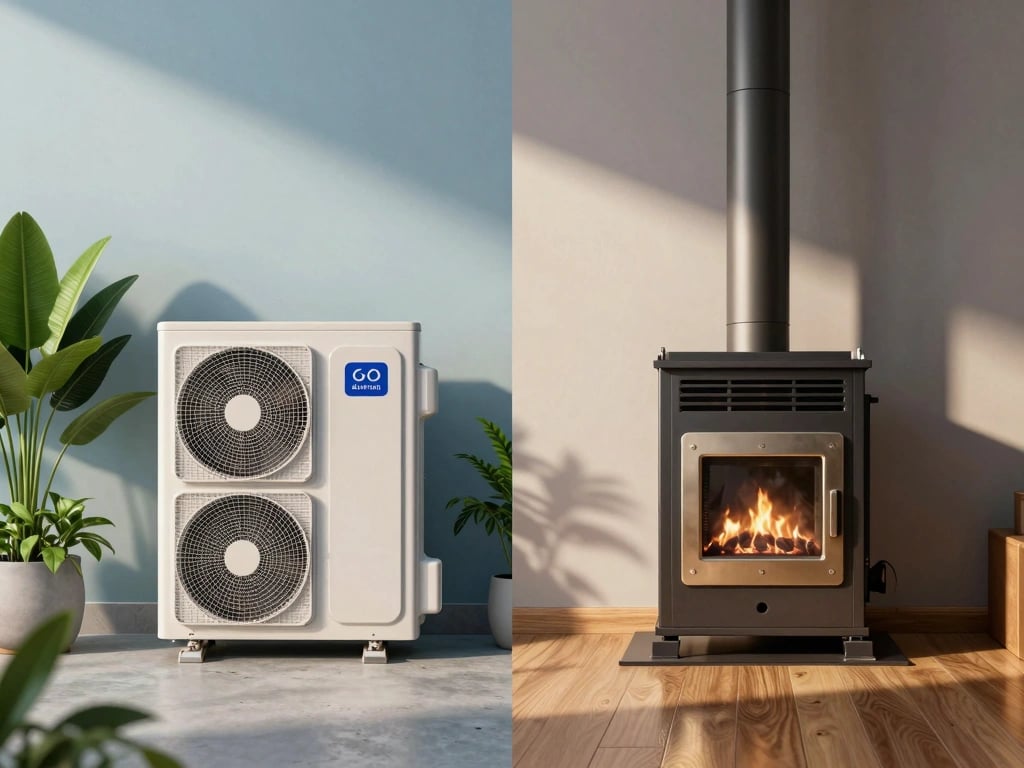
When considering the initial purchase costs, heat pumps generally range from $3,500 to $8,000, including installation. The price can vary significantly based on the type of heat pump chosen. For instance, a ductless mini-split heat pump may cost around $3,000 to $5,000, while a geothermal heat pump can reach $20,000 or more. This variation is largely attributed to the complexity of the installation, the efficiency ratings of the units, and the specific features they offer.
Average Cost of Furnaces
In contrast, the average cost of a furnace typically falls between $2,500 and $6,500, with installation included. Gas furnaces are generally less expensive upfront than electric ones, with prices ranging from $2,500 to $5,000. High-efficiency models, however, can push costs to the higher end of the spectrum. For example, a high-efficiency gas furnace can cost upwards of $6,000 due to advanced technology and features.
Factors Influencing Initial Costs
- Type of System: The type of heat pump or furnace (e.g., geothermal, gas, electric) greatly influences initial costs.
- Installation Complexity: Systems that require complex installations, such as ductwork for heat pumps or gas lines for furnaces, will incur higher installation costs.
- Brand Reputation: Well-known brands may charge a premium for their products due to perceived reliability and performance.
- Local Climate: In regions with extreme temperatures, higher-efficiency models may be necessary, increasing initial investment.
Operating Costs: Energy Efficiency Considerations
Heat Pump Energy Efficiency Ratings
Heat pumps are rated based on their efficiency using the Heating Seasonal Performance Factor (HSPF) and the Seasonal Energy Efficiency Ratio (SEER). Generally, a higher rating indicates better efficiency and lower operating costs. For example, a heat pump with an HSPF of 10 can provide significant savings compared to one with an HSPF of 7. The typical operating cost for a heat pump ranges from $500 to $1,500 per year, depending on efficiency and usage patterns.
Furnace Energy Efficiency Ratings
Furnaces are rated using the Annual Fuel Utilization Efficiency (AFUE) metric. A furnace with an AFUE of 90% means that 90% of the fuel it uses is converted to heat, while 10% is lost. Modern furnaces can have an AFUE rating as high as 98%, which can lead to substantial savings on heating bills. Operating costs for a furnace can range from $600 to $2,000 annually based on fuel type and efficiency.
Long-Term Energy Cost Projections
When projecting long-term operating costs, heat pumps tend to be more energy-efficient, especially in moderate climates. For example, a home using a heat pump for heating and cooling may save up to $1,000 annually compared to a gas furnace. However, in extremely cold climates, heat pumps may struggle to maintain efficiency, which can lead to higher operating costs. Conversely, furnaces may have higher fuel costs but can provide consistent heating in colder temperatures.
Maintenance Costs Over Time
Maintenance Requirements for Heat Pumps
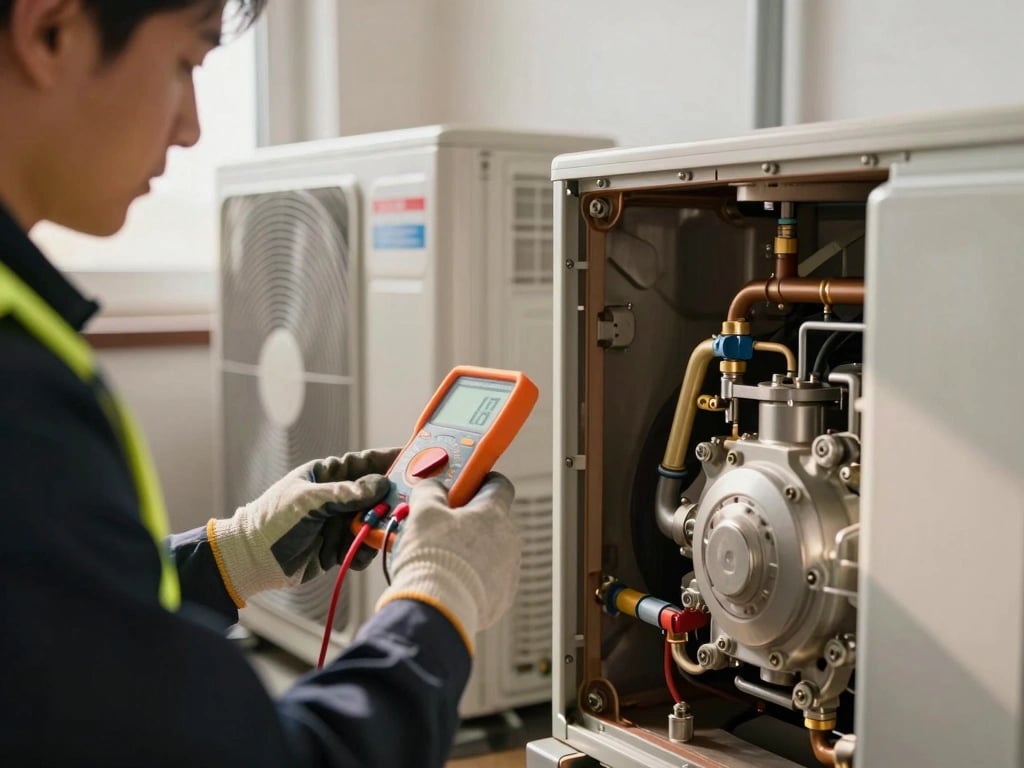
Heat pumps generally require less frequent maintenance than traditional furnaces; however, they still need regular upkeep. This includes cleaning or replacing filters every month, checking refrigerant levels, and ensuring that the outside unit is clear of debris. Annual professional maintenance is recommended, costing between $150 and $300. Neglecting maintenance can lead to decreased efficiency and costly repairs down the road.
Maintenance Requirements for Furnaces
Furnaces also need regular maintenance, including filter replacement, inspection of gas lines, and cleaning of burners. Annual maintenance for a furnace typically costs around $100 to $200. In addition, furnaces may require more frequent repairs due to their mechanical nature, especially older models. For example, a cracked heat exchanger may cost $1,000 to replace, while heat pump repairs may be less frequent but can be more expensive.
Cost of Repairs and Parts Replacement
Repair costs can vary significantly between heat pumps and furnaces. Heat pumps may require expensive repairs related to the refrigerant system or compressor failure, with costs averaging between $300 and $1,500. In contrast, furnace repairs can range from $200 for minor fixes to $2,000 for major components like heat exchangers or blower motors. Over the lifespan of the equipment, these repair costs can add up, impacting the overall lifetime cost comparison.
Longevity and Lifespan Comparison
Average Lifespan of Heat Pumps
Heat pumps typically have a lifespan of 15 to 20 years, depending on usage and maintenance. With regular upkeep, a well-maintained heat pump can last longer, but factors such as extreme temperatures and improper installation can shorten its lifespan. For instance, a geothermal heat pump may last closer to 25 years if properly maintained.
Average Lifespan of Furnaces
Furnaces generally have a lifespan of 15 to 30 years. Gas furnaces tend to last longer than electric ones, often reaching the 20- to 30-year mark if maintained well. However, as systems age, efficiency may decrease and repair costs can increase, impacting the overall cost-effectiveness of keeping an old unit versus replacing it with a newer, more efficient model.
Factors Affecting Equipment Longevity
- Quality of Installation: Proper installation is critical to ensure that the unit operates efficiently and lasts longer.
- Regular Maintenance: Regular maintenance helps identify and resolve issues before they lead to catastrophic failures.
- Environmental Conditions: Harsh weather conditions can strain both heat pumps and furnaces, potentially shortening their lifespan.
- Usage Patterns: Systems that are overused or frequently cycled on and off may wear out faster than those used more evenly.
Environmental Impact and Incentives
Environmental Benefits of Heat Pumps
Heat pumps are often considered more environmentally friendly than traditional furnaces because they use electricity rather than burning fossil fuels. This means they can significantly reduce greenhouse gas emissions, especially if powered by renewable energy sources. The efficiency of heat pumps also means they consume less energy, leading to a smaller carbon footprint over their operational life.
Incentives for Choosing Energy-Efficient Systems
Many governments and utility providers offer incentives for homeowners who choose energy-efficient systems like heat pumps. These can include tax credits, rebates, and low-interest financing options. For instance, in the U.S., the Federal Energy Tax Credit can provide up to 30% off the cost of qualifying heat pumps, significantly lowering the initial purchase price.
Long-Term Cost Savings Through Environmental Considerations
Investing in energy-efficient systems like heat pumps can lead to long-term cost savings not only through reduced energy bills but also through the financial benefits of incentives. Over a 15- to 20-year lifespan, these savings can amount to thousands of dollars. For example, a homeowner switching from a traditional gas furnace to a heat pump could save an estimated $10,000 to $15,000 in energy costs and incentives over the lifespan of the system.