Understanding Short Cycling in HVAC Systems
Definition of Short Cycling
Short cycling is a common problem in HVAC (Heating, Ventilation, and Air Conditioning) systems where the unit frequently turns on and off within a short period, rather than running for an appropriate length of time. This can lead to significant inefficiencies and an uncomfortable indoor environment. Ideally, HVAC systems should operate in longer cycles to maintain a steady temperature and humidity level within the home.
Common Causes of Short Cycling
Several factors can contribute to short cycling in HVAC systems:
- Improper Sizing: If the HVAC system is too large for the space it is intended to heat or cool, it will reach the desired temperature quickly, shutting off prematurely.
- Thermostat Issues: A malfunctioning thermostat may send incorrect signals to the HVAC system, causing it to turn on and off erratically.
- Dirty Filters: Clogged air filters can restrict airflow, causing the system to overheat and shut down as a safety measure.
- Refrigerant Problems: Low refrigerant levels can lead to inefficient cooling and system strain, resulting in short cycling.
Impact of Short Cycling on Home Comfort
Short cycling can have a profound impact on both comfort and energy efficiency. Homeowners may experience:
- Temperature Fluctuations: The constant on-and-off cycling can create uneven temperatures throughout the home, leading to discomfort.
- Increased Humidity: Short cycling often fails to adequately dehumidify the air, resulting in a muggy indoor environment.
- Noise Pollution: The frequent starting and stopping of the HVAC unit can create unwanted noise, detracting from the tranquility of the home.
The Importance of Proper HVAC Sizing
How Sizing Affects System Efficiency
Proper HVAC sizing is crucial for ensuring that the system operates efficiently. An appropriately sized unit will run long enough to effectively heat or cool the home while using energy efficiently. According to the U.S. Department of Energy, an oversized unit can use 30% more energy than a properly sized system due to frequent cycling. This inefficiency not only increases energy bills but also accelerates wear and tear on the HVAC components.
Consequences of Oversized and Undersized Units
Choosing the right size for your HVAC system is essential. Here’s what can happen with improper sizing:
- Oversized Units: These systems cool or heat spaces too quickly, leading to short cycling. Additionally, they tend to operate less efficiently, which can result in higher energy bills and a reduced lifespan of the equipment.
- Undersized Units: Conversely, units that are too small will struggle to maintain the desired temperature. They will run continuously and may not provide adequate comfort, leading to overworking the system, increased energy costs, and ultimately, a higher likelihood of breakdowns.
Long-Term Cost Implications of Incorrect Sizing
Investing in the correct HVAC size can lead to significant long-term savings. According to the Energy Information Administration, homeowners can save between $200 and $400 annually on energy costs by ensuring proper HVAC sizing. Moreover, the upfront costs of purchasing the correct system may be offset by the savings in energy bills and reduced repair costs due to fewer mechanical issues.
Calculating the Right HVAC Size for Your Home
Manual J Calculation Explained
The Manual J calculation is the industry standard for determining the heating and cooling needs of a home. This calculation takes into account various factors including:
- Home Size: The square footage of the living space.
- Insulation Levels: Quality of insulation affects how much heating or cooling is needed.
- Window Types: The number and type of windows (single-pane vs. double-pane) impact heat gain and loss.
- Climate Zone: Different geographical areas have varying temperature ranges that affect HVAC requirements.
By performing this detailed analysis, HVAC professionals can recommend the most efficient system size for your specific needs, significantly reducing the risk of short cycling.
Factors Influencing HVAC Size Requirements
Several aspects can influence the sizing of an HVAC system:
- Building Orientation: The direction your home faces can affect heating and cooling needs due to sun exposure.
- Number of Occupants: More people generate more heat, which can affect the size of the required unit.
- Appliance Heat Gain: Appliances and electronics generate heat, and the more you have, the larger the HVAC system might need to be.
Tools and Resources for Accurate Sizing
To assist in finding the right HVAC size, homeowners can utilize various tools and resources:
- HVAC Sizing Calculators: Many online calculators can provide a rough estimate based on input parameters.
- Professional Services: Hiring a certified HVAC technician to perform a Manual J calculation ensures accurate sizing.
- Energy Audits: Conducting an energy audit can reveal inefficiencies and help determine the optimal HVAC size.
Signs of Improper HVAC Sizing
Recognizing Symptoms of Short Cycling
Homeowners should be on the lookout for signs of short cycling, which can include:
- Frequent on-and-off operation of the HVAC unit.
- Noticeable temperature variations from room to room.
- A sudden spike in energy bills without an increase in usage.
Assessing Your Home's Heating and Cooling Needs
To accurately assess your home's heating and cooling needs, consider conducting a thorough evaluation of your living space. Factors such as room sizes, insulation quality, and the number of windows all play a role in determining whether your current HVAC system is adequate. Keeping a detailed record of your energy bills can also provide insights into system performance.
When to Consult an HVAC Professional
If you suspect that your HVAC system is improperly sized, it is advisable to consult a professional. An HVAC technician can perform detailed calculations and inspections to ensure that your system meets your home's specific needs. Doing so can prevent short cycling and enhance overall comfort.
Preventing Short Cycling Through Maintenance and Upgrades
Regular System Maintenance Practices
Routine maintenance is vital in preventing short cycling and ensuring the longevity of your HVAC system. Recommended practices include:
- Changing air filters every 1-3 months to maintain airflow.
- Scheduling annual inspections and tune-ups with an HVAC professional.
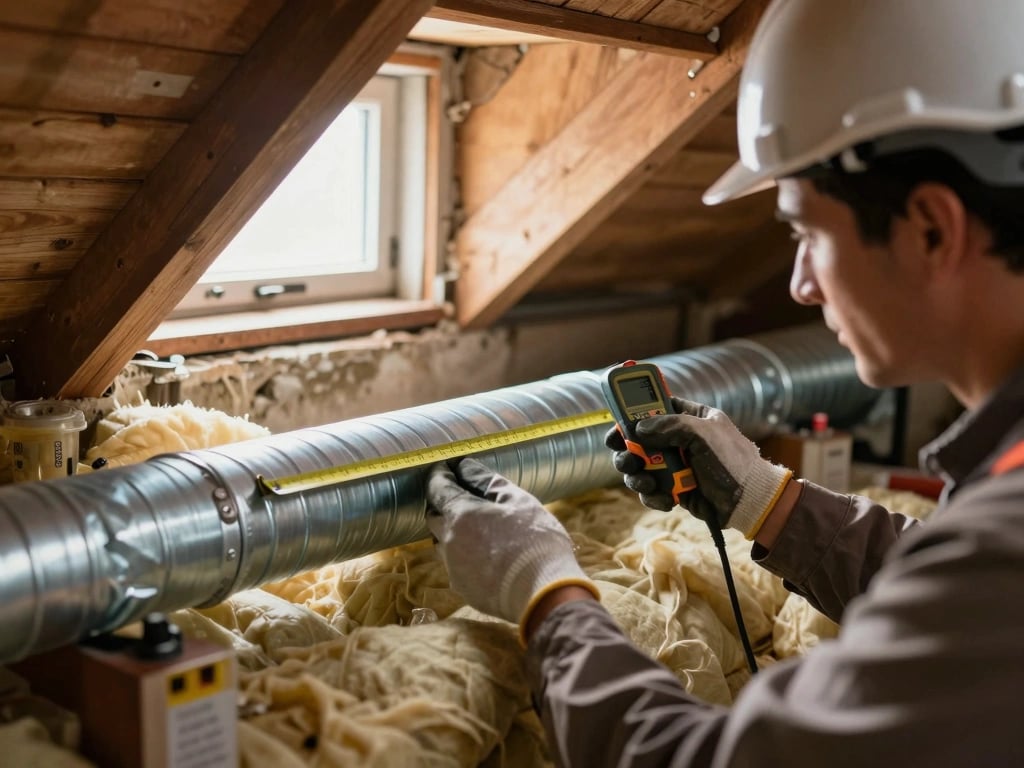
- Cleaning coils and ducts to ensure efficient operation.
Consistent maintenance can help identify potential issues before they lead to short cycling.
Upgrading to Energy-Efficient Models
Upgrading to a modern, energy-efficient HVAC model can significantly reduce the risk of short cycling. New systems are designed to operate more efficiently, often featuring variable-speed motors that adjust the operation based on the heating or cooling demand. The U.S. Department of Energy estimates that replacing an old system with a new high-efficiency model can save homeowners up to 20-50% on energy bills.
Benefits of Smart Thermostats in Preventing Short Cycling
Smart thermostats can play a crucial role in preventing short cycling by optimizing HVAC operation. These devices learn your schedule and preferences, adjusting the temperature accordingly without frequent cycling. For example, models like the Nest Learning Thermostat or Ecobee SmartThermostat can help maintain a consistent temperature while reducing energy consumption, ultimately preventing the issues associated with short cycling.