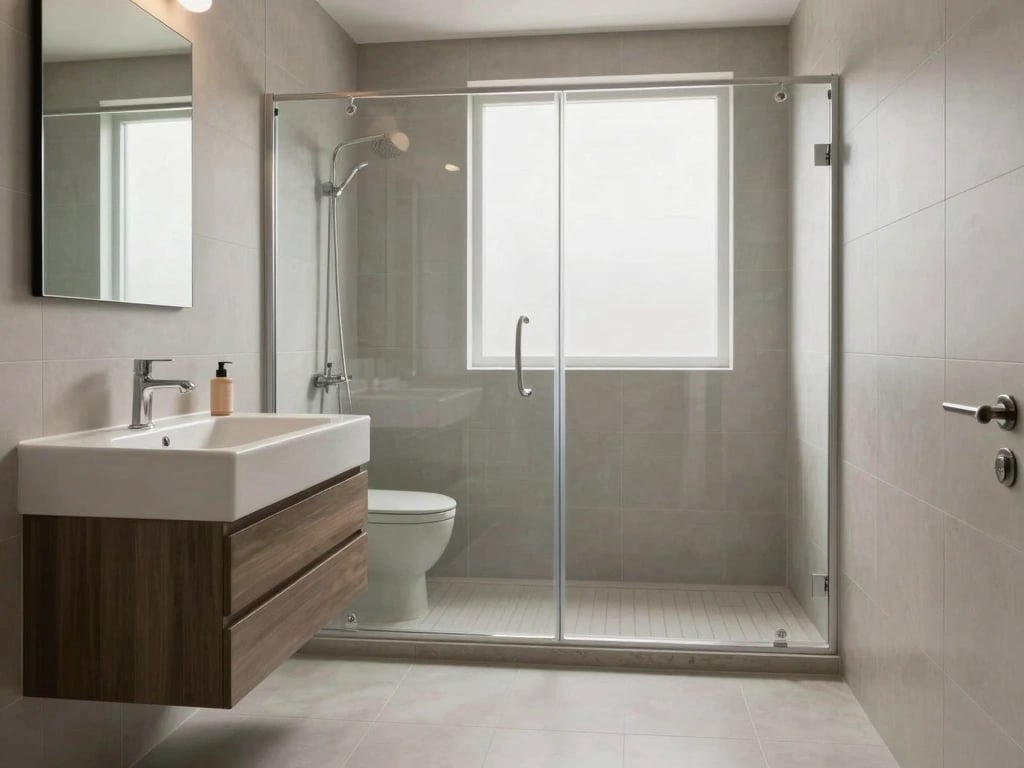
Understanding the Costs of a Small Bathroom Remodel
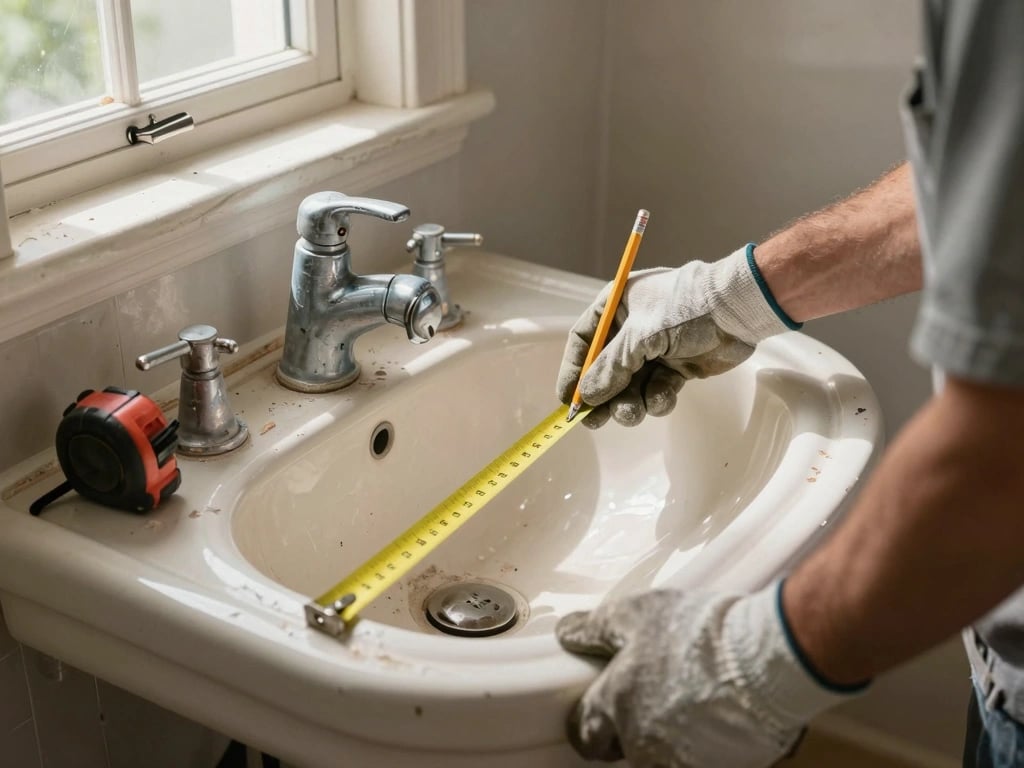
A small bathroom remodel can significantly enhance the functionality and aesthetics of your home. However, before diving into renovations, understanding the various costs associated with the project is crucial. Below, we break down the primary expenses involved in a small bathroom remodel to help you plan effectively.
Breaking Down Material Costs
Material costs can vary significantly based on quality, brand, and style. Here's a breakdown of common materials you might consider:
- Flooring: Ceramic tile is a popular choice, averaging $2 to $10 per square foot, while luxury vinyl planks can range from $1 to $5 per square foot. For a small bathroom of approximately 40 square feet, flooring costs can total between $80 and $400.
- Wall Treatments: Paint is the most economical option, costing around $30 to $60 per gallon. If you opt for tile or wainscoting, you could spend $1 to $15 per square foot, leading to a total of $100 to $600 for walls.
- Vanity: A new vanity can cost between $300 and $1,500, depending on the material and design. Mid-range options typically range from $500 to $900, which is a common choice for small bathrooms.
- Fixtures: Faucets, sinks, and toilets can add up quickly. Expect to pay $100 to $500 for faucets, $150 to $800 for sinks, and $200 to $1,000 for toilets, with an average total of $450 to $2,300 for all fixtures.
- Shower/Bathtub: If you're replacing a tub or installing a new shower, costs can range from $300 to $3,000, depending on the type. A mid-range shower stall typically costs around $1,000.
In total, material costs for a small bathroom remodel can range anywhere from $2,000 to $10,000, depending on the choices made.
Labor Expenses: What to Expect
Labor costs can vary by location and the complexity of the remodel. Here’s a general overview:
- General Contractors: Hiring a general contractor can add approximately 10-20% to your overall budget. If your remodel costs $10,000, expect to pay between $1,000 and $2,000 for labor.
- Specialized Trades: Plumbing and electrical work can be significant expenses. Plumbers typically charge $45 to $200 per hour, while electricians might charge $50 to $150 per hour. A small bathroom remodel could require 10 to 20 hours of specialized labor, leading to an additional cost of $450 to $4,000.
- Handyman Services: For minor tasks, a handyman might charge $30 to $100 per hour. For simpler projects, you might spend around $300 to $600 on labor.
In general, labor expenses can range from $1,000 to $5,000, significantly impacting your overall budget.
Permits and Fees: Budgeting for Regulations
Before beginning any remodel, it's essential to check if you need a permit. Permit costs can vary widely based on your location and the extent of the work:
- Building Permits: These can range from $50 to $500, depending on your municipality and the project's scope. Simple remodels may only need a minor permit, while extensive plumbing or electrical work may require more substantial approvals.
- Inspection Fees: If your remodel involves plumbing or electrical changes, you may require inspections, which can cost between $100 to $300.
- Miscellaneous Fees: These can include HOA approvals (if applicable) or fees for hiring a licensed contractor, which can vary significantly.
Budgeting for permits and fees should thus account for approximately $200 to $1,000.
Creating a Detailed Remodeling Budget
Once you have a better understanding of the potential costs, the next step is to create a detailed remodeling budget that reflects your financial situation and your vision for the bathroom.
Establishing a Maximum Budget
Before you begin, establish a maximum budget that you are comfortable with. This figure should encompass all aspects of the remodel, including materials, labor, permits, and a contingency fund. Here's a suggested approach:
- Assess your financial situation: Determine how much you can afford to spend without causing financial strain.
- Research typical costs in your area: Look at average remodel costs and adjust your budget accordingly.
- Set a realistic number: A reasonable budget for a small bathroom remodel might range from $5,000 to $15,000, depending on the upgrades you plan.
Allocating Funds for Each Aspect
Once you have your maximum budget, it’s crucial to allocate funds effectively. Consider the following breakdown:
- Materials: Aim for 40-50% of your budget.
- Labor: Allocate approximately 30-40% for labor.
- Permits and Fees: Reserve about 5-10% for permits and other regulations.
- Contingency Fund: Set aside 10-15% for unexpected expenses.
This approach can help ensure that each aspect of the remodel is adequately funded, reducing the potential for overspending.
Contingency Planning: Preparing for the Unexpected
No remodel goes exactly as planned. To safeguard against unexpected costs, it’s prudent to include a contingency fund in your budget:
- General Rule of Thumb: A contingency fund of 10-15% of your total budget is advisable. For a $10,000 budget, this means setting aside $1,000 to $1,500.
- Common Unexpected Costs: These may include discovering water damage, needing to update electrical wiring, or discovering plumbing issues that require immediate attention.
By planning for these surprises, you can avoid financial stress and keep your project on track.
Cost-Saving Tips for a Small Bathroom Remodel
Remodeling a small bathroom doesn't have to break the bank. Here are some cost-saving tips to help you stay within budget while still achieving a beautiful space.
Choosing Affordable Materials
Material choices can make a significant difference in your overall costs:
- Laminate Countertops: Instead of granite or quartz, consider laminate, which can cost as little as $10 to $50 per square foot.
- Stock Cabinets: Opt for stock cabinets instead of custom-built options. Stock cabinets can cost as little as $100 to $500.
- Vinyl Flooring: Instead of tile, look at vinyl options, which can be more affordable and easier to install.
By selecting more affordable materials, you can substantially reduce your total costs while still achieving a stylish look.
DIY vs. Hiring Professionals
Deciding whether to tackle the remodel yourself or hire professionals can greatly impact your budget:
- DIY Projects: If you're handy, consider doing some work yourself, such as painting or installing fixtures. This can save you up to 50% on labor costs.
- Professional Help: For complex tasks like plumbing and electrical work, it's best to hire licensed professionals to ensure safety and compliance.
Balancing DIY efforts with professional help allows you to maximize savings while ensuring quality work.
Finding Discounts and Sales
Another way to save is by seeking out discounts:
- Seasonal Sales: Many home improvement stores have seasonal sales, especially around holidays. Look for discounts on flooring, fixtures, and tools.
- Clearance Items: Check for clearance items and overstocked materials that can be purchased at a fraction of their original price.
- Coupons and Promotions: Sign up for newsletters from home improvement stores to receive exclusive coupons and promotions.
Proactively searching for deals can help you get the most bang for your buck.
High-Impact Changes with Low Costs
Even on a tight budget, there are several high-impact changes that can dramatically transform your small bathroom without significant expense.
Updating Fixtures Without Breaking the Bank
Changing out fixtures can breathe new life into your bathroom:
- Faucets: Replacing an old faucet with a modern one can cost between $50 and $300 and make a noticeable difference.
- Showerheads: A new showerhead can enhance the shower experience. Look for high-efficiency options starting at around $30.
- Cabinet Hardware: Swapping out cabinet knobs and pulls can refresh the look for as little as $5 for a set.
These small updates can have a big impact on the overall feel of your bathroom.
Smart Storage Solutions on a Budget
Maximizing storage can enhance functionality without extensive remodeling:
- Floating Shelves: Adding floating shelves can provide stylish storage at a minimal cost, typically $20 to $100 for materials.
- Over-the-Toilet Storage: This is a great way to utilize vertical space, with units available for $50 to $200.
- Storage Baskets: Using decorative baskets can help keep items organized and add to the decor for $10 to $50.
Smart storage solutions improve functionality and organization while keeping costs low.
Cost-Effective Lighting Enhancements
Lighting can dramatically change the atmosphere of a bathroom:
- LED Bulbs: Switching to LED bulbs can save energy costs and provide brighter light for $5 to $20 per bulb.
- Vanity Lighting: Installing new vanity lights can cost between $50 and $150, enhancing both style and functionality.
- Accent Lighting: Consider adding accent lights or sconces for around $30 to $100 each to create a warm ambiance.
Effective lighting can transform your bathroom’s appearance without a substantial investment.
Evaluating Your Return on Investment
After spending time and resources on your small bathroom remodel, it’s essential to evaluate its return on investment (ROI). Understanding the value of your upgrades can help you gauge whether your efforts were worthwhile.
Assessing Value for Future Resale
Remodeling can significantly increase your home's value:
- National Average ROI: On average, bathroom remodels can recoup 60-70% of their costs upon resale.
- Local Market Trends: Investigate local real estate trends to understand what buyers in your area prioritize in bathrooms.
- Appeal to Buyers: Features like updated fixtures, modern finishes, and efficient layouts can attract potential buyers.
By understanding the market, you can make informed decisions about which upgrades will offer the best ROI.
Analyzing Cost vs. Benefit of Upgrades
Not all upgrades will yield the same benefits. Consider the following:
- Essential Upgrades: Prioritize necessary repairs, such as plumbing or electrical updates, that can prevent future damage.
- Desirable Features: Look at upgrades that offer both functionality and aesthetic appeal, such as a stylish vanity or modern fixtures.
- Long-Term Savings: Energy-efficient fixtures may cost more upfront but can save you money in the long run through reduced utility bills.
By carefully analyzing which upgrades offer the best value, you can maximize your investment.
Long-Term Savings from Energy Efficiency
Investing in energy-efficient options can lead to significant long-term savings:
- Low-Flow Toilets: These can save up to 13,000 gallons of water per year, resulting in lower water bills.
- LED Lighting: Though slightly higher in initial costs, LED lights are energy-efficient and last much longer than traditional bulbs, reducing replacement costs.
- Energy-Efficient Appliances: Upgrading to energy-efficient appliances can save you money over time on both water and electricity bills.
By focusing on energy efficiency, you not only enhance your home but also create a more sustainable environment while saving money.
In conclusion, a small bathroom remodel can be both affordable and impactful when approached with a thorough understanding of costs, careful budgeting, and smart choices. By following this guide, you can ensure your remodel meets your aesthetic and functional needs without exceeding your budget.