Profiles of Natural Wine Producers in France
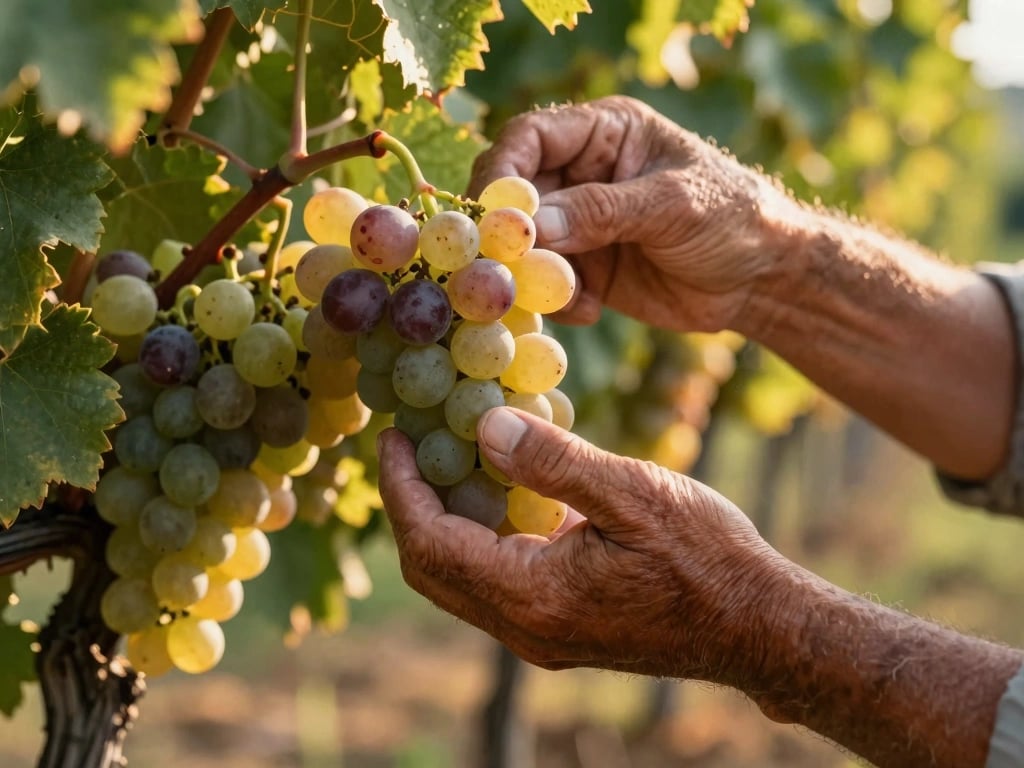
Historic Regions and Their Signature Varietals
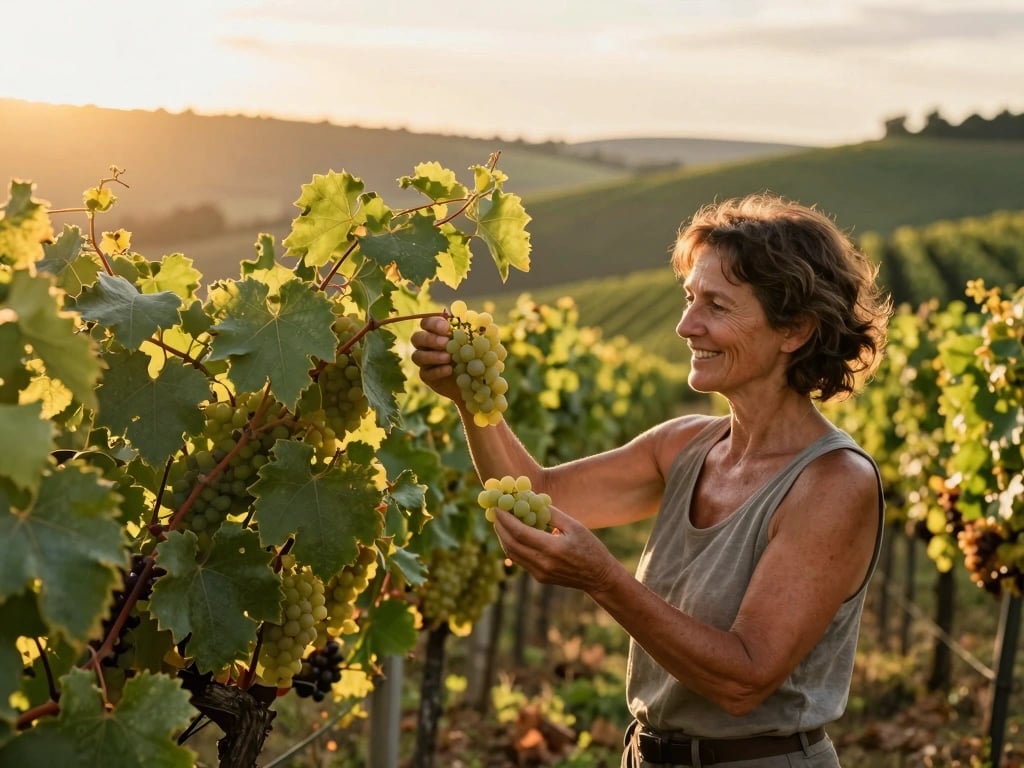
France is often regarded as the birthplace of natural wine, with its rich tapestry of historic regions that contribute unique varietals to the world of winemaking. Among these, the Loire Valley, Burgundy, and Alsace stand out for their commitment to organic and biodynamic practices.
- Loire Valley: Known for its diverse climate and soil types, the Loire Valley produces a range of varietals, notably Sauvignon Blanc and Chenin Blanc. Producers like Domaine de la Taille aux Loups emphasize minimal intervention, crafting wines that express the terroir.
- Burgundy: Renowned for Pinot Noir and Chardonnay, Burgundy's natural wine scene has gained traction with producers such as Domaine Arnaud Ente, who practices organic farming and spontaneous fermentation to create expressive wines.
- Alsace: Focused on varietals like Riesling and Gewürztraminer, Alsace features producers such as Domaine Marcel Deiss, who integrates biodynamic practices to enhance the character of their wines.
Innovative Techniques in Traditional Vineyards
French natural wine producers are not only preserving tradition but also innovating with techniques that challenge conventional winemaking. For instance, in the Loire Valley, some producers are experimenting with amphorae to ferment and age their wines, enhancing complexity and flavor integration.
- Carbonic Maceration: This technique, popularized in Beaujolais, is being embraced by producers in various French regions. It involves fermenting whole grapes in a carbon dioxide-rich environment, leading to fruity and aromatic wines.
- Field Blending: Some producers are returning to the age-old practice of field blending, where different varietals are planted together and harvested simultaneously, creating unique flavor profiles.
Influential Natural Wine Producers to Watch
As the natural wine movement gains momentum, several producers in France are setting benchmarks for quality and innovation:
- Domaine Huet: Located in Vouvray, this biodynamic estate is celebrated for its Chenin Blanc, particularly the Le Mont cuvée. Huet's commitment to sustainability and terroir-driven wines has made it a pillar of the natural wine community.
- Domaine de la Romanée-Conti: While not exclusively a natural wine producer, their organic practices and minimal intervention approach in Burgundy have garnered admiration and set standards in the industry.
- Les Vignes de Bila-Haut: Founded by renowned winemaker Michel Chapoutier in the Roussillon region, this estate focuses on Syrah and Grenache, using biodynamic practices to produce vibrant and expressive wines.
Exploring Italy's Natural Wine Landscape
Regional Terroirs and Unique Grape Varieties
Italy boasts a wealth of indigenous grape varieties and regional terroirs that lend themselves to the natural wine movement. From the rolling hills of Tuscany to the rugged landscapes of Sicily, each region brings forth unique expressions of wine.
- Tuscany: Home to Sangiovese, producers like Fattoria La Vialla focus on organic farming and traditional vinification methods, resulting in wines that embody the essence of the region.
- Sicily: The island's volcanic soils are ideal for native varietals such as Nerello Mascalese. Tenuta delle Terre Nere exemplifies this with their biodynamic approach, crafting wines that reflect the terroir's unique characteristics.
- Piedmont: Known for Barbera and Nebbiolo, producers like Giovanni Rosso are at the forefront of the natural wine movement, utilizing organic practices to produce wines with depth and complexity.
The Rise of Organic Practices in Italian Winemaking
Organic and biodynamic practices are on the rise across Italy, with many producers shifting away from conventional methods. A significant example is the Consorzio Vino Naturale, which promotes natural wine and offers resources for producers committed to organic farming.
- Organic Certification: Many Italian producers are obtaining organic certification, showcasing their commitment to sustainable practices. This movement is not only about improved wine quality but also about preserving the environment.
- Biodynamic Farming: This holistic approach to agriculture is gaining traction, with producers like Francois Dumas in Emilia-Romagna leading the way in integrating biodiversity and soil health into their winemaking process.
Notable Italian Natural Wine Producers and Their Creations
Several Italian producers are making waves in the natural wine scene, offering distinctive wines that highlight their regions:
- Radikon: Based in Friuli, Radikon is known for its orange wines, particularly the Radikon Jakot, which undergoes extended skin contact, resulting in a rich and textured profile.
- La Stoppa: This Emilia-Romagna producer is celebrated for its blend of Barbera and Bonarda, showcasing the power of native varietals and the importance of minimal intervention.
- Occhipinti: In Sicily, Arianna Occhipinti has gained international recognition for her natural wines, particularly her SP68 blend, which exemplifies the vibrant character of Sicilian grapes.
Spain's Diverse Natural Wine Regions
Indigenous Grapes and Their Expressions in Natural Wines
Spain's diverse climates and rich viticultural history provide fertile ground for indigenous grape varieties to flourish, particularly in the context of natural wine production. Varietals such as Albariño, Garnacha, and Tempranillo play significant roles in this evolving landscape.
- Albariño: This white grape, predominantly grown in Rías Baixas, produces fresh and aromatic wines, with producers like Do Ferreiro leading the natural wine charge through organic farming and minimal intervention.
- Garnacha: Found in regions like Priorat and Navarra, Garnacha is used to create both robust reds and expressive rosés. Clos Mogador in Priorat is renowned for its biodynamic practices and high-quality Garnacha wines.
- Tempranillo: The backbone of many Spanish wines, Tempranillo's natural expressions can be found in regions like Rioja and Ribera del Duero, with producers like Bodegas y Viñedos Pujanza emphasizing organic practices.
Key Regions Leading the Natural Wine Movement
Several Spanish regions are at the forefront of the natural wine movement, contributing to its growth and visibility on the global stage:
- Priorat: Known for its steep terraces and slate soils, Priorat hosts pioneering producers like Mas Martinet, who emphasize sustainability and traditional winemaking practices.
- Rías Baixas: This coastal region is championing Albariño, with producers like María José López de Heredia focusing on organic methods to enhance the wine's maritime character.
- Navarra: Navarra is gaining recognition for its innovative producers who blend traditional and modern techniques, such as Chivite, known for its commitment to organic farming.
Emerging Spanish Producers and Their Unique Offerings
The Spanish natural wine scene is witnessing a surge of new producers, each bringing their unique perspective and styles:
- Envinate: A collective of winemakers focusing on indigenous varietals across multiple regions, Envinate is known for wines like Benje, which showcases the volcanic terroir of Tenerife.
- Bodegas Cueva: Situated in Valencia, Cueva is celebrated for its commitment to natural practices and produces wines like Cueva Ronda, a blend that highlights the region's unique terroir.
- Suertes del Marqués: Based in Tenerife, this producer is known for its old-vine Listán Negro, which benefits from volcanic soils, resulting in wines that are both elegant and expressive.
Natural Wine in the New World: A Focus on the USA
Regions Pioneering Natural Wine Production
In the United States, the natural wine movement has gained traction, particularly in regions like California, Oregon, and New York. Each area brings its distinct climate and philosophy to natural winemaking.
- California: The central coast, especially Santa Barbara and Paso Robles, is home to innovative natural wine producers like Donkey & Goat, who embrace organic practices and spontaneous fermentation.
- Oregon: Known for its Pinot Noir, Oregon's natural wine scene is thriving, with producers like Bow & Arrow focusing on minimal intervention techniques to showcase the terroir of the Willamette Valley.
- New York: The Finger Lakes region hosts producers like Hermann J. Wiemer, who are committed to sustainability and producing expressive Rieslings through natural methods.
Innovative Approaches to Winemaking in the USA
American producers are employing innovative techniques to create natural wines that challenge traditional norms:
- Skin Contact: Many producers are experimenting with extended skin contact, particularly with white varietals, to create orange wines that are gaining popularity among natural wine enthusiasts.
- Wild Fermentation: Utilizing indigenous yeast for fermentation is a common practice among American natural wine producers, allowing the wines to express their unique terroir and vintage character.
Prominent American Natural Wine Producers and Their Styles
Several American producers are making significant contributions to the natural wine movement, each offering distinctive styles:
- Ridge Vineyards: Known for its organic practices, Ridge produces natural wines like the Geyserville, which is a blend of Zinfandel, Carignane, and Petite Sirah, showcasing the complexity of California's terroir.
- La Clarine Farm: Located in the Sierra Foothills, this producer emphasizes minimal intervention and sustainable practices, resulting in wines like Jamboree, a blend that captures the essence of the region.
- Furiously Happy Wines: This small producer focuses on creating unique varietals and blends, such as their Grenache, which highlights the potential of lesser-known grapes in the California landscape.
Discovering Natural Wine Producers in Australia and New Zealand
Climate and Geography: Impact on Varietals
Australia and New Zealand are emerging as significant players in the natural wine movement, with distinct climates and varied geography influencing the varietals produced in these regions.
- Australia: The diverse climates range from the cool coastal regions of Tasmania to the warmer climates of Barossa Valley, where varietals like Shiraz and Chardonnay thrive. Producers like Alpha Box & Dice are at the forefront, experimenting with lesser-known varietals and minimal intervention.
- New Zealand: Known for its Sauvignon Blanc, particularly from Marlborough, producers like Craggy Range are incorporating organic practices to create vibrant wines that reflect the terroir.
Unique Practices of Australian and New Zealand Producers
Producers in Australia and New Zealand are employing innovative practices that align with the principles of natural winemaking:
- Whole Bunch Fermentation: Many producers are opting for whole bunch fermentation, particularly in red winemaking, to enhance complexity and tannin structure.
- Minimal Sulfur Use: A common ethos among natural wine producers in both countries is the reduction of sulfur dioxide during vinification, allowing the wines to express their true character.
Key Figures in the Natural Wine Scene Down Under
Several influential producers are shaping the natural wine landscape in Australia and New Zealand:
- Jamsheed: In Victoria, Jamsheed is known for its focus on cool-climate varietals and natural techniques, producing wines like Yarra Valley Syrah that reflect the region's terroir.
- Churton Wines: In Marlborough, Churton is recognized for its organic practices and unique blends, particularly its Sauvignon Blanc, which showcases the potential of the varietal in a natural context.
- Vanguardist: This producer in McLaren Vale is making waves with their innovative blends and commitment to sustainability, exemplified by their Vanguardist Grenache, which highlights the region's fruit-forward profile.