Nostalgia and Aesthetic Appeal
The Influence of Vintage Design
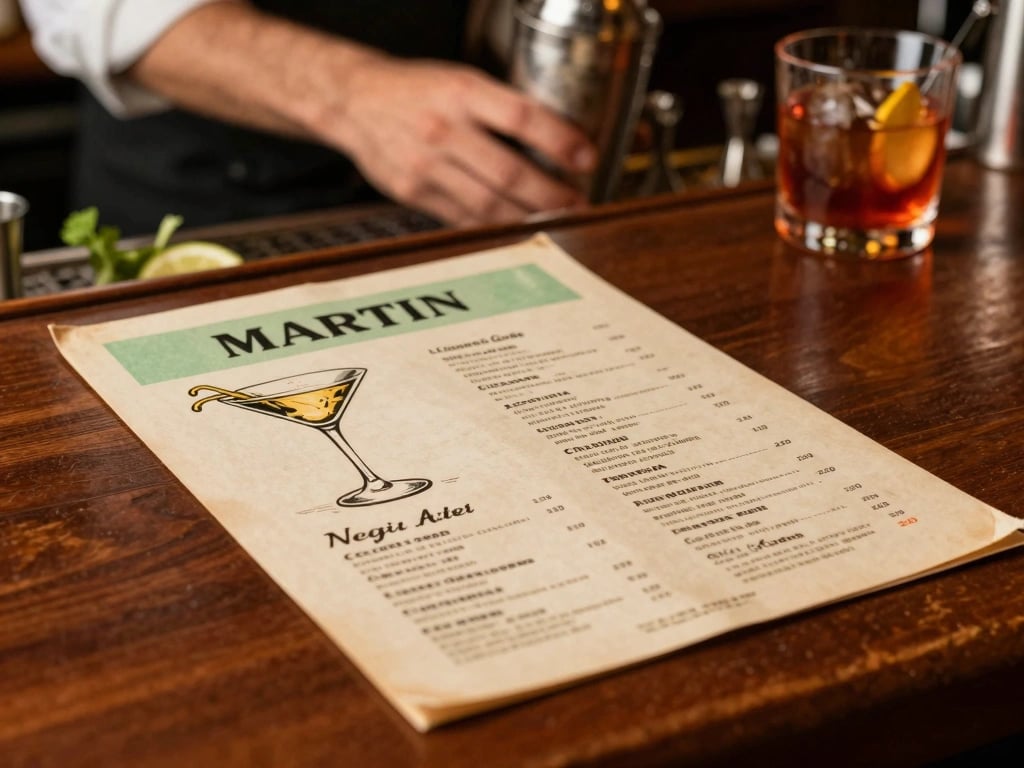
The resurgence of mid-century cocktail menus can largely be attributed to the powerful allure of vintage design. The mid-20th century, particularly the 1950s and 1960s, was characterized by bold colors, geometric shapes, and playful graphics. Cocktail menus from this era often feature intricate illustrations and whimsical fonts that evoke a sense of charm and nostalgia. Bars and restaurants are increasingly adopting these design elements to create an inviting atmosphere that harkens back to a simpler time.
For instance, the retro color palette of mint green, mustard yellow, and burnt orange is making a comeback, often seen in menus and bar interiors. The use of classic patterns, such as starbursts and atomic motifs, not only enhances the visual appeal but also sets the mood for patrons seeking an authentic vintage experience. A restaurant like the Clover Club in Brooklyn has exemplified this trend by incorporating vintage-inspired menus that reflect the aesthetics of the mid-century era, creating an environment that feels both nostalgic and fresh.
Emotional Connections to the Past
The emotional connection people have with the past plays a crucial role in the resurgence of mid-century cocktail menus. For many, the mid-century period invokes memories of family gatherings, social events, and a sense of community. The cocktails served during this time often symbolize celebration and togetherness, which resonate deeply in today's fast-paced world.
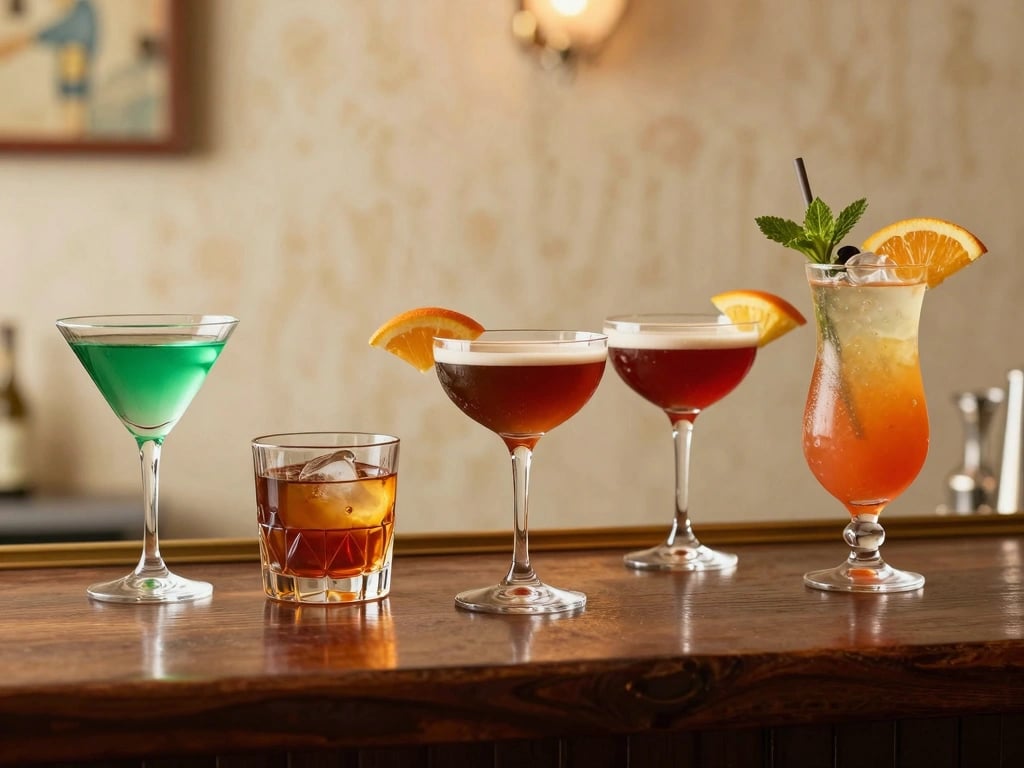
Research shows that nostalgia can lead to increased feelings of social connectedness and even happiness. As individuals reminisce about the past, they seek experiences that mirror those cherished memories. This growing trend has led bars to curate cocktail menus that feature classic drinks such as the Manhattan, Old Fashioned, and Mai Tai, all of which were popular during the mid-century era. By serving these drinks, establishments not only cater to the nostalgia of their patrons but also create a cohesive atmosphere that encourages social interaction and enjoyment.
The Role of Social Media in Reviving Retro Styles
Social media platforms have played an instrumental role in reviving mid-century cocktail menus. With the rise of Instagram and TikTok, visually appealing content has garnered significant attention, leading to a resurgence in retro aesthetics. Hashtags like #VintageCocktails and #MidCenturyModern have become popular among cocktail enthusiasts, showcasing not only the drinks themselves but also the entire experience surrounding them.
Bartenders and mixologists are now sharing stunning images of their craft cocktails, often styled with vintage glassware and garnished with retro flair. This visual storytelling has sparked interest among younger generations who crave authenticity and unique experiences. As a result, bars are increasingly designing their cocktail menus to be photogenic while also paying homage to the classic recipes of the mid-century period.
Craftsmanship and Quality Ingredients
The Shift Towards Artisan Spirits
Another driving force behind the resurgence of mid-century cocktail menus is the growing emphasis on craftsmanship and quality ingredients. The modern consumer is becoming more discerning, seeking out artisan spirits that reflect authenticity and superior production methods. This trend mirrors the mid-century era when cocktails were often crafted with care and attention to detail.
Distilleries like St. George Spirits and WhistlePig have emerged as leaders in the artisan spirits movement, producing high-quality products that pay homage to traditional methods. As these small-batch distilleries gain popularity, bars are beginning to feature their spirits prominently in their cocktail offerings. This aligns perfectly with the mid-century ethos, where the quality of the ingredients played a critical role in the overall cocktail experience.
Handcrafted Techniques in Cocktail Preparation
In addition to using quality ingredients, the resurgence of handcrafted techniques in cocktail preparation is making waves in the industry. Mixologists today are embracing traditional methods, such as stirring, shaking, and muddling, reminiscent of the practices used in the mid-century era. Techniques like barrel-aging cocktails and using homemade syrups and bitters are becoming increasingly common, adding depth and complexity to drinks.
For example, bars like PDT (Please Don't Tell) in New York City have gained acclaim for their meticulous attention to detail in cocktail preparation. Their classic Whiskey Sour features freshly squeezed lemon juice, house-made simple syrup, and premium whiskey, showcasing a commitment to craftsmanship that mirrors mid-century standards.
Emphasis on Fresh and Local Ingredients
Today's cocktail culture is also shifting towards using fresh and locally sourced ingredients, which aligns well with the mid-century focus on quality. The farm-to-table movement has influenced how cocktails are crafted, with bartenders prioritizing seasonal fruits, herbs, and spices in their recipes. This not only enhances the flavor profiles of the cocktails but also promotes sustainability.
Bars are now collaborating with local farmers and producers to create unique cocktail menus that highlight regional flavors. For instance, Bar Agricole in San Francisco has gained recognition for its commitment to using seasonal, organic ingredients in its cocktails, echoing the mid-century appreciation for quality and locality in drink preparation.
Pop Culture and Media Influence
Resurgence in Popular TV Shows and Movies
The nostalgia for mid-century cocktails has been further fueled by their portrayal in popular television shows and movies. Series like Mad Men have romanticized the cocktail culture of the 1960s, showcasing characters sipping classic drinks like the Martini and Negroni. This has led to a renewed interest among viewers in recreating the cocktails featured on screen.
As the show brought attention to the era's fashion, design, and social norms, it also reignited a fascination with the cocktails that defined that time. Bars have capitalized on this trend by developing special cocktail menus inspired by such shows, offering patrons a chance to experience the drinks as if they were part of the storyline.
The Impact of Influencer Culture on Cocktail Trends
Influencer culture has also significantly impacted the revival of mid-century cocktail menus. Influencers and mixologists are leveraging platforms like Instagram and TikTok to showcase their cocktail creations, often highlighting mid-century recipes and techniques. Their ability to reach a vast audience has made vintage cocktails trendy once again.
Influencers frequently share aesthetically pleasing images of their cocktails, drawing attention to the craftsmanship involved. This not only promotes the consumption of classic drinks but also encourages viewers to experiment with their cocktail-making skills at home, further driving the resurgence of mid-century styles.
Documentaries and Books Celebrating Mid-Century Mixology
The literary and documentary landscape has also played a role in the resurgence of mid-century cocktails. Books like The Cocktail Chronicles and documentaries such as Hey Bartender have explored the art of mixology and the cultural significance of cocktails during the mid-century period. These resources have educated a new generation of cocktail enthusiasts about the history and craftsmanship behind classic drinks.
Such works not only celebrate the cocktails themselves but also delve into the stories of the bartenders and the establishments that shaped the cocktail culture of the time. This educational aspect has sparked a renewed interest in classic cocktails, prompting bars to revisit mid-century recipes and incorporate them into their menus.
Social Trends and Gatherings
The Rise of Home Entertaining and Mixology
As socializing habits evolve, the rise of home entertaining and mixology has played a significant role in the resurgence of mid-century cocktail menus. With more people hosting gatherings at home, there is a growing interest in recreating the classic cocktail experience. Many individuals are seeking to impress their guests with expertly crafted drinks that evoke a sense of nostalgia.
Home bartending kits, complete with vintage glassware and ingredients, have become increasingly popular. This trend has led to a demand for mid-century cocktail recipes, as home entertainers look to recreate the glamour of social gatherings from the past. By embracing classic cocktails, individuals are not only providing their guests with a delightful experience but also connecting with the history and culture of mixology.
Craft Cocktail Events and Competitions
The craft cocktail movement has also given rise to numerous events and competitions that celebrate mid-century mixology. Competitions like the World Class Cocktail Competition and local mixology events often feature categories dedicated to classic cocktails, encouraging bartenders to showcase their skills and creativity.
These events not only highlight the craftsmanship behind cocktail creation but also foster a sense of community among bartenders and cocktail enthusiasts. By focusing on mid-century classics, these competitions help to keep the tradition alive while encouraging innovation and experimentation.
Community-Centric Bars Embracing Mid-Century Themes
Many bars are recognizing the appeal of mid-century cocktail menus and have embraced community-centric themes that celebrate this era. Establishments like The Varnish in Los Angeles and Death & Company in New York have curated menus that feature classic cocktails alongside modern interpretations, providing patrons with a diverse selection that pays homage to the past.
These community-centric bars often host events that celebrate the history of cocktails, such as tastings and educational workshops. By fostering a sense of community and connection, these establishments not only promote mid-century cocktails but also create a welcoming space for patrons to enjoy the experience together.
Mixology Education and Resources
Increase in Cocktail Classes and Workshops
The growing interest in mid-century cocktail menus has led to an increase in cocktail classes and workshops, where enthusiasts can learn the art of mixology. Many bars and culinary schools are offering courses specifically focused on classic cocktails, teaching participants how to craft drinks from the mid-century era.
These classes not only provide practical skills but also educate participants about the history and significance of the cocktails they are making. Events such as the Cocktail Academy in various cities have become popular, attracting individuals eager to learn about the craftsmanship behind classic drinks and the techniques that defined the mid-century cocktail culture.
The Role of Online Tutorials and Recipes
In today's digital age, online tutorials and recipes have become invaluable resources for those interested in mid-century cocktails. Platforms like YouTube and cooking blogs are filled with instructional videos and written guides that highlight the preparation of classic drinks.
These online resources cater to a diverse audience, from beginners looking to try their hand at cocktail-making to seasoned enthusiasts seeking to refine their skills. The accessibility of such content has empowered individuals to recreate the mid-century cocktail experience in their homes, further contributing to the resurgence of these classic menus.
Revival of Classic Cocktail Books and Resources
The revival of classic cocktail books has also played a pivotal role in the resurgence of mid-century cocktails. Books like Imbibe! by David Wondrich and The Joy of Mixology by Gary Regan have been reintroduced to a new generation of cocktail enthusiasts, providing valuable insights into the history and techniques of mixology.
These classic resources not only offer recipes for traditional cocktails but also delve into the stories behind the drinks and the bartenders who crafted them. As cocktail enthusiasts turn to these books for guidance, they are helping to perpetuate the mid-century cocktail culture and its significance in the broader narrative of mixology.