Understanding the Basics of Kimchi Fermentation
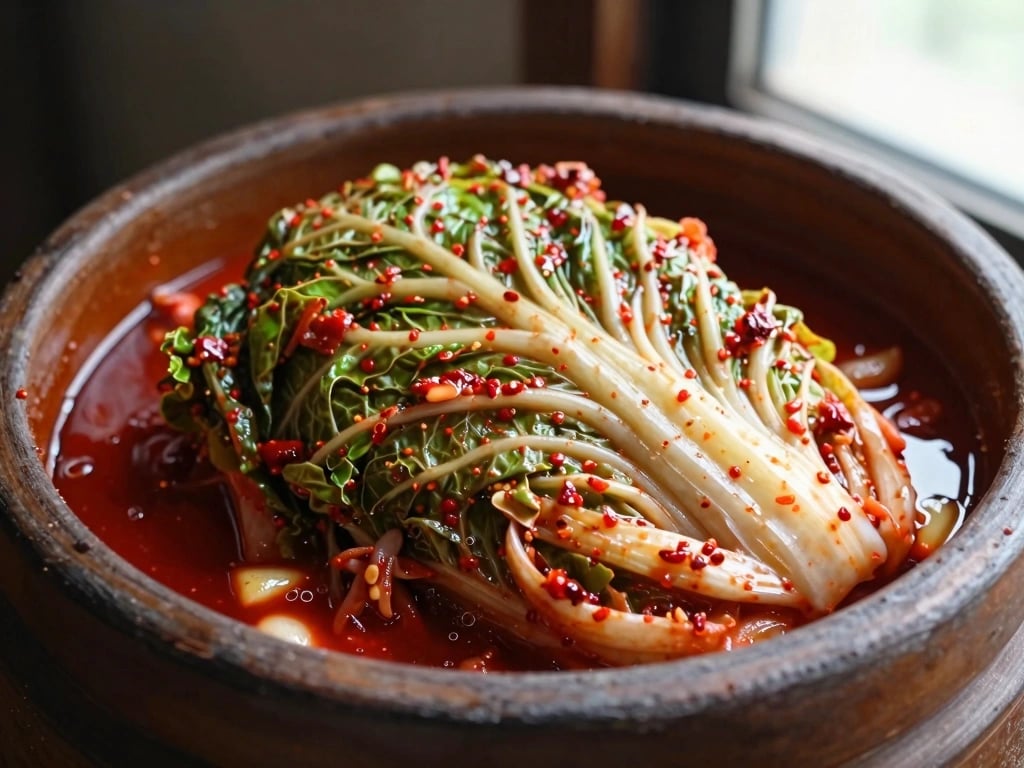
Fermenting kimchi at home can be a rewarding culinary experience, connecting you to a time-honored tradition that is rich in flavor and health benefits. To properly embark on this journey, it is essential to understand the basics of kimchi fermentation, including the science behind it, the essential ingredients, and the optimal environmental conditions needed for a successful ferment.
The Science Behind Fermentation
Fermentation is a natural process where microorganisms, such as bacteria and yeasts, convert sugars and starches into acids, gases, or alcohol. In the case of kimchi, lactic acid bacteria (LAB) play a crucial role. These bacteria thrive in anaerobic (low-oxygen) environments and are responsible for the tangy flavor and preservation of the vegetables.
As the vegetables ferment, the LAB produce lactic acid, which lowers the pH of the mixture, creating an environment inhospitable to spoilage-causing bacteria. This not only preserves the kimchi but also enhances its nutritional profile, making it a rich source of probiotics that are beneficial for gut health.
Essential Ingredients for Traditional Kimchi
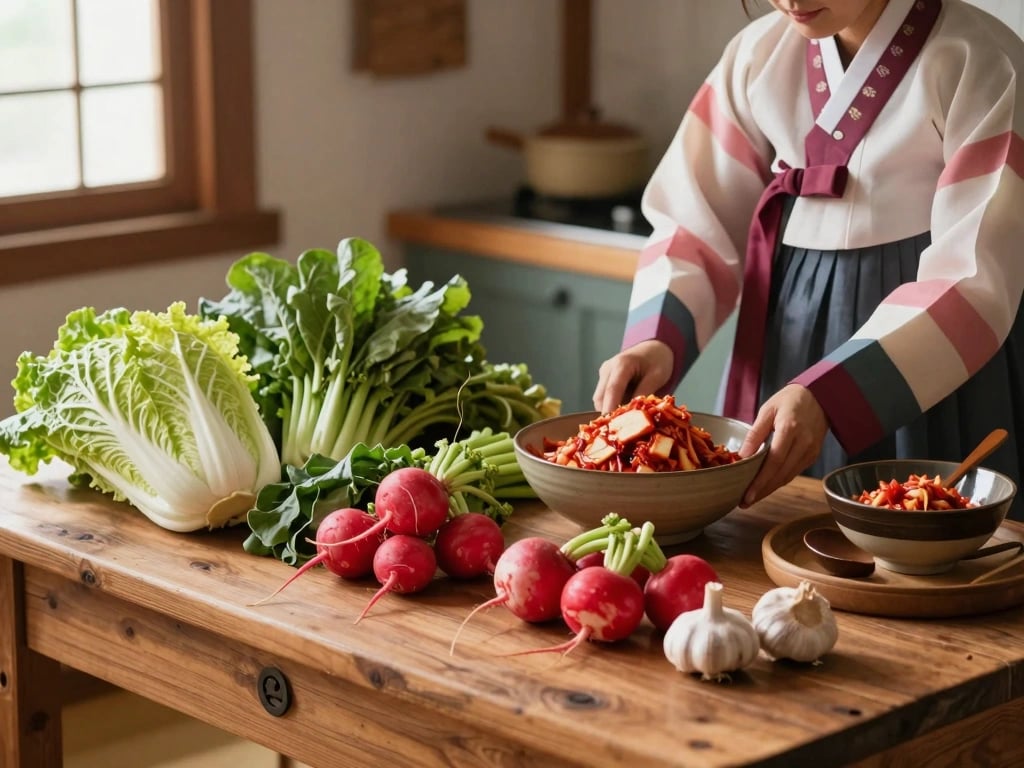
The quintessential ingredients for traditional kimchi include:
- Napa cabbage: This is the primary vegetable used in most kimchi recipes.
- Radishes: Commonly used varieties include Korean radish (mu) or daikon.
- Salt: Sea salt is preferred for its mineral content and ability to draw out moisture.
- Gochugaru: Korean red pepper flakes that provide heat and color.
- Garlic and ginger: Aromatics that enhance flavor and contribute to the fermentation process.
- Fish sauce or salted shrimp: These ingredients add umami and depth of flavor.
The Role of Temperature and Time in Fermentation
The fermentation process is highly influenced by temperature and time. Ideal fermentation temperatures for kimchi range from 60°F to 75°F (15°C to 24°C). At lower temperatures, the fermentation process slows down, while higher temperatures speed it up, which can lead to over-fermentation and undesirable flavors.
Typically, kimchi can ferment at room temperature for 1 to 5 days depending on the desired sourness and the ambient temperature. After this initial fermentation, it is advisable to transfer the kimchi to a refrigerator to slow down the fermentation process and allow the flavors to meld.
Choosing the Right Vegetables for Kimchi
Common Vegetables Used in Traditional Recipes
Napa cabbage is the cornerstone of traditional kimchi, but a variety of vegetables can be utilized to create different types and flavors. Some common vegetables include:
- Radishes: Adds crunch and a peppery flavor.
- Scallions: Introduces a mild onion flavor.
- Carrots: Provides sweetness and color.
- Cucumber: Offers a refreshing taste, often used in summer kimchi.
Seasonal Variations and Their Impact on Flavor
Seasonality plays a significant role in the selection of vegetables for kimchi. For instance, in spring, you might find young and tender greens, while in autumn, root vegetables might be more prevalent. Each season brings unique flavors and textures:
- Spring: Use young radishes and leafy greens for a fresh, vibrant kimchi.
- Summer: Incorporate cucumbers for a light and crunchy texture.
- Fall: Use hearty vegetables like napa cabbage and carrots for a robust flavor.
- Winter: Fermenting with root vegetables can provide a deeper, earthier taste.
Preparation Techniques for Optimal Fermentation
Proper preparation of the vegetables is crucial for optimal fermentation. Here are some techniques:
- Salting: Cut the napa cabbage into quarters and soak it in a saltwater brine for 2 to 6 hours, which helps to draw out moisture and create a crunchy texture.
- Rinsing: After salting, rinse the cabbage thoroughly to remove excess salt before mixing it with other ingredients.
- Chopping: Cut radishes, carrots, and other vegetables into uniform sizes to ensure even fermentation.
Traditional Fermentation Vessels and Methods
Types of Containers for Kimchi Fermentation
Fermenting kimchi at home can be done using various types of containers. The choice of vessel can influence the fermentation process.
- Glass jars: These are widely available and allow you to monitor the fermentation process easily.
- Plastic containers: Food-grade plastic is a lighter option, but it may not be as effective at controlling temperature.
- Earthenware pots: Traditional Korean onggi are preferred for their ability to regulate temperature and moisture levels.
Using Earthenware Pots vs. Glass Jars
Both earthenware and glass jars have their advantages:
- Earthenware pots: These are porous and allow gases to escape while retaining moisture. They are ideal for long-term fermentation and contribute to the development of complex flavors.
- Glass jars: They are convenient for short-term fermentation and allow easy observation of the kimchi. However, they may require more frequent burping to release gas buildup.
Best Practices for Sealing and Storing Kimchi
Once your kimchi is packed into the chosen container, it’s essential to seal it properly. Here are best practices:
- Leave headspace: Ensure there is at least 1 to 2 inches of headspace in the jar to allow for gas expansion during fermentation.
- Use an airtight lid: For glass jars, ensure the lid is secure to prevent air from entering, which can lead to spoilage.
- Store in a cool, dark place: After sealing, place your kimchi in a cool area or in the refrigerator to slow down fermentation and develop flavors.
Flavoring Techniques in Traditional Kimchi
Fermentation Agents: Salt and Gochugaru
Salt is a key ingredient in kimchi fermentation, as it not only draws water out of the vegetables but also creates an environment conducive to lactic acid bacteria. The amount of salt used can vary, but a general guideline is to use 3% to 5% of the vegetable weight in salt.
Gochugaru, or Korean red pepper flakes, is another essential ingredient that provides the signature heat and vibrant red color. The level of spiciness can be adjusted based on personal preference, with typical amounts ranging from 1 to 6 tablespoons per batch.
Incorporating Aromatics and Additional Ingredients
Aromatic ingredients such as garlic, ginger, and scallions not only enhance the flavor but also contribute to the fermentation process. Here are some common additions:
- Garlic: Adds a pungent flavor; typically 5 to 10 cloves are used depending on taste.
- Ginger: Provides warmth and complexity; usually around 1 to 2 tablespoons of grated ginger.
- Fish sauce or salted shrimp: Introduces umami; about 2 to 4 tablespoons is common.
Balancing Spiciness and Umami in Kimchi
The balance between spiciness and umami is crucial for a well-rounded kimchi flavor. To achieve this, consider the following:
- Adjust gochugaru: If you prefer a milder flavor, reduce the amount of gochugaru.
- Increase umami: Adding more fish sauce or salted shrimp can enhance the savory notes.
- Experiment: Don’t be afraid to try different combinations of ingredients to find your perfect balance.
Monitoring and Adjusting the Fermentation Process
Signs of Proper Fermentation
Monitoring the fermentation process is essential to ensure that your kimchi develops the right flavors and textures. Here are some signs of proper fermentation:
- Bubbly texture: You should see bubbles forming, indicating active fermentation.
- Familiar aroma: The smell should be tangy and slightly sour but not off-putting.
- Flavor profile: Taste the kimchi after a day or two; it should start to develop a sour taste, but still maintain some crunch.
How to Adjust Fermentation Based on Taste Preferences
Adjusting the fermentation process can help achieve your desired flavor profile:
- Shorten fermentation time: If the kimchi tastes too sour, reduce the fermentation time. Check daily after the initial 24 hours.
- Change temperature: If the kimchi is fermenting too quickly, move it to a cooler spot.
- Enhance flavor: If the kimchi lacks flavor, consider adding more seasoning, such as gochugaru or garlic.
Storing and Enjoying Your Homemade Kimchi
Once the kimchi has reached your desired level of fermentation, it’s time to store and enjoy it:
- Refrigeration: Store kimchi in the refrigerator for long-term preservation. It can last for several months when stored properly.
- Serving: Enjoy kimchi as a side dish, in stews, or even as a topping for rice and noodles.
- Experiment: Use your homemade kimchi in various recipes, such as kimchi fried rice, kimchi pancakes, or kimchi soup.
In conclusion, fermenting kimchi at home using traditional methods is not only a culinary adventure but also a way to connect with Korean culture and enhance your diet with probiotics. By understanding the science of fermentation, selecting the right ingredients and vegetables, using appropriate vessels, and monitoring the process closely, anyone can create delicious homemade kimchi.